




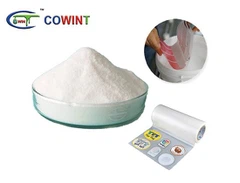
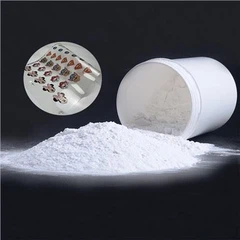





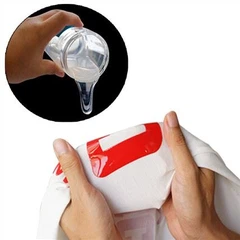


Printing is divided into reactive printing and pigment printing; pigment printing also includes water slurry printing and glue printing. The finished product printed by water slurry printing generally has a slightly worse hand feel than reactive printing, while the finished product printed by printing glue has a hard hand feel, and is generally used for partial embellishment on clothing, such as corsages, sleeve flowers, etc. 1. Water slurry printing. Is the earliest application of printing technology. The material used for printing patterns is water-based paste, similar to the pigments or dyes used in painting. Through the technical treatment of the printing screen, the paste can penetrate into the fabric where there are patterns, and the places without patterns can not penetrate, so that the patterns can be printed on the fabric. The water slurry printing process is one of the most basic printing processes in the screen printing industry. It can be printed on almost all light background fabrics such as cotton, polyester, linen, etc., and is widely used. Its working principle is similar to dyeing, but the difference is that it “dyes” a certain area of the fabric into the color required for the flower position. Therefore, this process cannot be applied to dark background fabrics. The biggest advantage of the water slurry printing process is that it is widely used, the flower position fastness is very good, and it can print better results at a relatively low price. The limitation of the water slurry printing process is that it cannot be applied to all dark fabrics. 2. Glue printing. Glue printing is widely used in clothing. Its advantage is that it can produce a special texture effect, is elastic, feels good, and can overprint light colors on dark backgrounds. The glue printing process uses a special chemical gel and dyes to be highly seamlessly mixed. The dye passes through the medium of the gel and firmly adheres to the fabric. The glue printing process overcomes the limitations of water slurry printing, and its characteristic is to adapt to various It can be printed on cotton, linen, viscose, polyester, nylon, polypropylene, chlorinated and various fiber blended fabrics. It can also be printed on leather, artificial leather and other materials. Use it Can be used for fluorescent printing, inkjet printing, Lanhua printing, electrostatic flocking printing, etc., printing processes. The biggest advantage of the glue printing process is that it is widely used, beautiful in color, and high in reduction. However, its printing process is more complicated than the water slurry printing process, and the cost is relatively high.
与此原文有关的更多信息要查看其他翻译信息,您必须输入相应原文