











Yo! As a supplier of hot melt adhesive, I often get asked if this sticky stuff can be used for electronic products. Well, let's dive into this topic and find out all the deets.
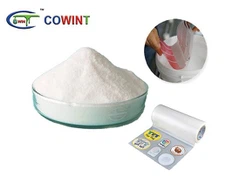
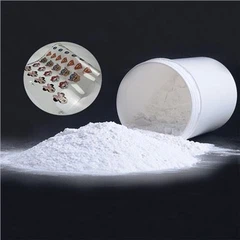
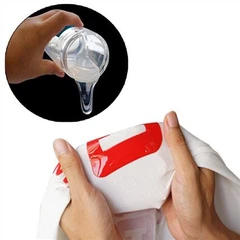
First off, what the heck is hot melt adhesive? It's a thermoplastic adhesive that's solid at room temperature. When you heat it up, it turns into a liquid that can bond all sorts of materials together. Once it cools down again, it hardens and forms a strong bond. It's known for being easy to use, having a fast bonding speed, and being pretty versatile.
Now, can it be used for electronic products? The short answer is yes, but it's not as simple as just slapping it on. Electronic products are super sensitive. They need to work reliably in all sorts of conditions, from extreme temperatures to high humidity. And let's not forget about the need to protect delicate components from damage.
One of the big advantages of using hot melt adhesive in electronics is its quick bonding. In the manufacturing process, time is money. With hot melt adhesive, you can glue parts together in a flash, speeding up production. For example, in making smartphones, the battery needs to be securely attached to the phone's frame. Hot melt adhesive can do this job in no time, getting the phones out of the factory and into our hands faster.
Another plus is its versatility. It can bond different materials commonly found in electronics, like plastics, metals, and rubbers. In a laptop, there are all kinds of parts made from different stuff. The hot melt adhesive can hold them all together, creating a stable and durable structure.
But there are also some challenges. One major issue is heat resistance. Electronic devices generate heat when they're in use. If the hot melt adhesive can't handle the heat, it might soften or even melt, causing the bond to break. This could lead to all sorts of problems, like loose parts or short circuits. So, when choosing a hot melt adhesive for electronics, you need to make sure it has good heat resistance.
Electrical conductivity is another concern. In some cases, you don't want the adhesive to conduct electricity. For example, if it's used to insulate wires or separate electrical components, any conductivity could cause a short circuit. On the other hand, in some situations, you might actually want the adhesive to have some conductivity, like in heat - dissipating parts. So, this is something that needs careful consideration.
Moisture resistance is also crucial. Electronics can be exposed to humidity or even water in some environments. If the adhesive isn't resistant to moisture, it could weaken the bond over time, or worse, cause corrosion of the electronic components.
So, how do we overcome these challenges? Well, we've developed a range of hot melt adhesives specifically designed for electronics. These adhesives are formulated to have high heat resistance, low electrical conductivity (or the right level of conductivity as needed), and excellent moisture resistance.
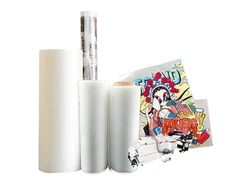
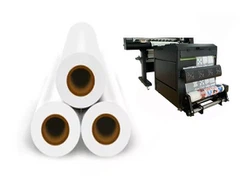
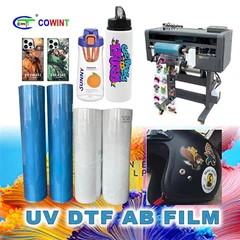
Let me tell you about some other products that are related to our field. If you're into transfer printing, we've got some great options for you. Check out the Single Matte Heat Transfer DTF Pet Film. It's perfect for high - quality transfer printing. And the Hot peel single matte DTF Film is another top - notch product that gives amazing results. All these transfer printing materials fall under the Transfer Printing Material category. You can find a whole bunch of useful stuff there.
When it comes to choosing the right hot melt adhesive for your electronic products, it's important to test it thoroughly. You can do small - scale tests to see how the adhesive performs in different conditions, like temperature, humidity, and electrical stress. This way, you can be sure that it will work well in your final product.
In addition to the technical aspects, we also offer great customer service. We understand that every electronic product is unique, and you might have specific requirements. Our team of experts is always ready to help you figure out the best hot melt adhesive for your needs. We can provide samples so you can test them in your own production environment.
If you're in the market for hot melt adhesive for your electronic products, don't hesitate to reach out. Whether you're a big - scale manufacturer or a small - time hobbyist, we've got something for you. We're here to make sure your bonding needs are met with the highest quality products. So, get in touch, and let's start a great partnership for your electronic product production.
References


- Brack, H. G. (2007). Adhesives in Electronics. Springer Science & Business Media.
- Harper, C. A. (2004). Handbook of Adhesives and Sealants. McGraw - Hill Professional.