







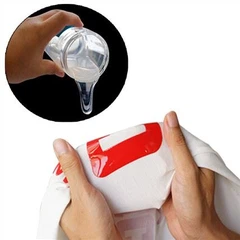


Yo! I'm a supplier of hot melt adhesive, and today I wanna chat about something that might seem a bit random at first glance – how the color of hot melt adhesive affects its performance. You might be thinking, "Color? Really? Isn't it all about the stickiness and how well it holds things together?" Well, hold your horses, because there's actually more to it than meets the eye.
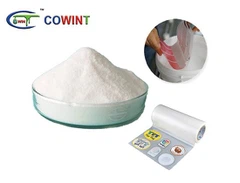
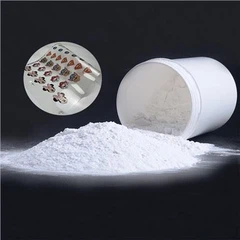
Let's start with the basics. Hot melt adhesive is a pretty cool product. It's solid at room temperature, but when you heat it up, it turns into a liquid that can be used to bond all sorts of materials. It's used in a ton of industries, from packaging to woodworking, and even in the textile industry for things like Hot peel single matte DTF Film.
Now, when it comes to color, hot melt adhesive can come in a variety of shades, from clear to white, yellow, and even black. And these colors aren't just for show. They can actually have an impact on how the adhesive performs.
Color and UV Resistance
One of the big factors affected by color is UV resistance. You see, sunlight contains ultraviolet (UV) rays, and these rays can break down the chemical bonds in hot melt adhesive over time. This can lead to a loss of adhesion, making the bond weaker and less reliable.
Clear and white hot melt adhesives are generally more susceptible to UV damage. The lack of pigment means there's nothing to absorb or scatter the UV rays. So, if you're using the adhesive in an application where it will be exposed to sunlight, like outdoor signage or window frames, you might want to consider a colored adhesive.
Yellow and black hot melt adhesives, on the other hand, tend to have better UV resistance. The pigments in these adhesives act as a shield, absorbing and reflecting the UV rays before they can reach the adhesive's chemical structure. This helps to protect the bond and keep it strong for longer.
Color and Heat Resistance
Heat resistance is another important aspect of hot melt adhesive performance. In some applications, the adhesive will be exposed to high temperatures, and it needs to be able to maintain its bond strength without melting or degrading.
The color of the adhesive can play a role in its heat resistance. Darker colors, like black, tend to absorb more heat than lighter colors. This means that black hot melt adhesive can reach higher temperatures more quickly when exposed to heat sources. While this might seem like a bad thing, it can actually be an advantage in some cases.
For example, in applications where the adhesive needs to be quickly heated and applied, a black adhesive can heat up faster, reducing the overall processing time. However, if the adhesive is going to be exposed to continuous high temperatures, a lighter-colored adhesive might be a better choice. Lighter colors reflect more heat, which can help to keep the adhesive cooler and prevent it from degrading.
Color and Adhesion to Different Surfaces
Believe it or not, the color of hot melt adhesive can also affect its adhesion to different surfaces. Different colors can have different surface energies, which is a measure of how well a material can wet and spread on another surface.
Clear and white hot melt adhesives typically have a lower surface energy, which means they can spread more easily on smooth surfaces like glass or plastic. This can result in better adhesion to these types of surfaces.


On the other hand, colored adhesives, especially those with darker pigments, can have a higher surface energy. This can make them more suitable for bonding to porous or rough surfaces, like wood or fabric. The higher surface energy allows the adhesive to penetrate the pores of the surface, creating a stronger bond.
Color and Aesthetics
Of course, aesthetics also play a role in the choice of hot melt adhesive color. In some applications, the appearance of the adhesive is just as important as its performance.
For example, in the furniture industry, a clear or white hot melt adhesive might be preferred because it provides a clean and invisible bond. This is especially important when bonding materials that are visible, like veneers or laminates.
In other cases, a colored adhesive might be used to match the color of the materials being bonded. For example, if you're bonding two pieces of black plastic, a black hot melt adhesive can provide a seamless and aesthetically pleasing bond.
Considerations for Different Industries
Let's take a closer look at how the color of hot melt adhesive can impact performance in different industries.
Packaging Industry
In the packaging industry, hot melt adhesive is used to seal boxes, cartons, and other packaging materials. The color of the adhesive can affect both the appearance and the performance of the packages.
Clear or white adhesives are often used in applications where the package needs to look clean and professional. They can also be used when the adhesive will be visible, like on the edges of a transparent plastic package.
However, if the packages are going to be stored or transported in outdoor environments, a colored adhesive with good UV resistance might be a better choice. This can help to prevent the adhesive from breaking down due to sunlight exposure, ensuring that the packages remain sealed and protected.
Woodworking Industry
In woodworking, hot melt adhesive is used to bond wood pieces together, attach veneers, and assemble furniture. The color of the adhesive can affect its adhesion to the wood and its appearance.
A colored adhesive, especially one that matches the color of the wood, can provide a more seamless and natural-looking bond. It can also help to hide any imperfections or gaps in the wood joints.
On the other hand, a clear or white adhesive might be preferred when a more invisible bond is desired, or when the adhesive will be covered by a finish or paint.
Textile Industry
The textile industry uses hot melt adhesive for a variety of applications, including bonding fabrics, attaching labels, and creating transfers. The color of the adhesive can have a significant impact on the appearance and performance of the textile products.
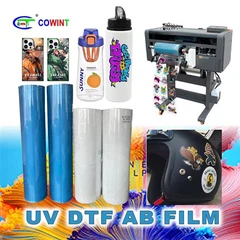
In applications like Special DTF Film and Film For Thermal Transfer, a clear or white adhesive is often used because it provides a transparent and flexible bond. This allows the colors and patterns of the transfer to show through clearly.
However, if the textile products are going to be exposed to sunlight or high temperatures, a colored adhesive with good UV and heat resistance might be necessary to ensure the durability of the bond.
Conclusion
So, as you can see, the color of hot melt adhesive is more than just a cosmetic choice. It can have a significant impact on the adhesive's performance, including its UV resistance, heat resistance, adhesion to different surfaces, and aesthetics.
When choosing a hot melt adhesive for your application, it's important to consider not only the basic properties like bond strength and viscosity but also the color. By selecting the right color, you can ensure that the adhesive performs optimally and meets the specific requirements of your project.
If you're in the market for hot melt adhesive and have questions about which color is best for your application, don't hesitate to reach out. We're here to help you find the perfect adhesive solution for your needs. Whether you're in the packaging, woodworking, textile, or any other industry, we've got the expertise and products to support you. Let's start a conversation and see how we can work together to solve your bonding challenges.
References
- ASTM International. (2023). Standard Test Methods for Evaluating the Adhesive Properties of Hot-Melt Adhesives. ASTM D1876.
- Pocius, A. V. (2002). Adhesion and Adhesives Technology: An Introduction. Hanser Gardner Publications.
- Shenoy, A. V., & Sivaram, S. (1996). Polymer Blends and Composites. Marcel Dekker.