








DTF vs DTG vs Sublimation Comparison: Which Printing Method is Best in 2026?
Introduction
Choosing the right printing technology is one of the most important decisions for apparel manufacturers, custom clothing businesses, and print-on-demand companies.
Today, three digital printing technologies dominate the market:
DTF Printing (Direct to Film)
DTG Printing (Direct to Garment)
Sublimation Printing
Each technology has different advantages, limitations, production costs, and application scenarios.
So, which printing method is better: DTF, DTG, or sublimation?
The answer depends on:
Fabric type
Production volume
Design requirements
Investment budget
Business model
This complete DTF vs DTG vs Sublimation comparison guide 2026 explains the differences and helps you choose the best printing solution.
What is DTF Printing?
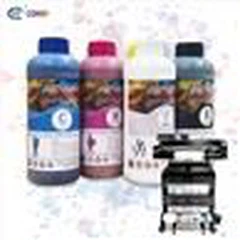
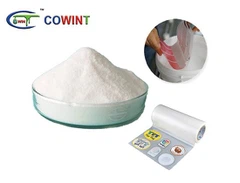
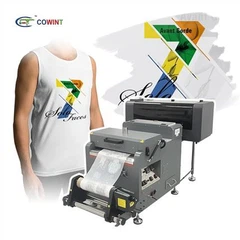
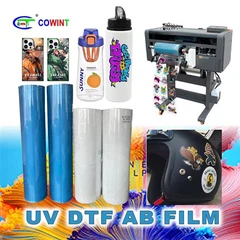
DTF printing (Direct to Film printing) is a modern textile transfer technology that prints designs onto special PET transfer film using DTF ink, applies hot melt adhesive powder, and transfers the design onto fabric through heat pressing.
The DTF printing process includes:
Creating a digital design
Printing the design on DTF transfer film
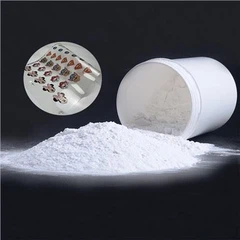
Applying DTF powder adhesive
Heating and curing the powder
Heat transferring the design onto fabric
DTF printing works on almost all types of fabrics:
Cotton
Polyester
Nylon
Blended fabrics
Leather
Denim
Canvas
What is DTG Printing?
DTG (Direct to Garment) printing is a technology that prints ink directly onto the surface of garments.
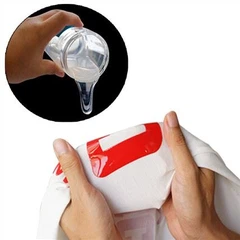
Unlike DTF printing, DTG requires the garment to be treated with pretreatment liquid before printing.
DTG is mainly used for:
Cotton T-shirts
Premium apparel
Photo-quality printing
Advantages:
Soft hand feeling
Excellent detail reproduction
Direct printing process
Limitations:
Higher equipment cost
Requires pretreatment
Slower production speed
Limited fabric compatibility
What is Sublimation Printing?
Sublimation printing uses heat to transfer dye into polyester fibers.
During sublimation, solid dye turns into gas under high temperature and bonds with polyester materials.
Common applications:
Sportswear
Polyester shirts
Flags
Mugs
Phone cases
However, sublimation has one major limitation:
It only works effectively on:
Polyester fabrics
Light-colored materials
DTF vs DTG vs Sublimation: Quick Comparison Table
| Feature | DTF Printing | DTG Printing | Sublimation |
|---|---|---|---|
| Printing Method | Transfer Film | Direct Printing | Dye Gas Transfer |
| Fabric Compatibility | ⭐⭐⭐⭐⭐ | ⭐⭐⭐ | ⭐⭐ |
| Cotton Printing | Excellent | Excellent | Poor |
| Polyester Printing | Excellent | Medium | Excellent |
| Dark Fabric Printing | Excellent | Good | Poor |
| Color Performance | Excellent | Excellent | Excellent |
| Setup Cost | Low-Medium | High | Low |
| Production Speed | Fast | Medium | Fast |
| Pretreatment Required | No | Yes | No |
| Small Orders | Excellent | Good | Good |
| Durability | Excellent | Good | Excellent |
| Business Flexibility | Excellent | Medium | Limited |
DTF vs DTG: Which is Better?
Fabric Compatibility
The biggest difference between DTF and DTG is fabric flexibility.
DTF Printing:
Works on:
✓ Cotton
✓ Polyester
✓ Nylon
✓ Mixed fabrics
✓ Dark garments
DTG Printing:
Best for:
✓ Cotton
✓ Cotton-rich fabrics
Winner: DTF Printing
For businesses handling different garment types, DTF provides more flexibility.
Printing Process Comparison
DTF Process:
Design → Print on Film → Apply Powder → Cure → Heat Press
DTG Process:
Pretreatment → Garment Printing → Drying → Curing
DTF requires fewer preparation steps, making production easier.
Winner: DTF Printing
Cost Comparison
DTF Printing Cost
Advantages:
Lower equipment investment
Less maintenance
Lower production preparation cost
DTG Printing Cost
Challenges:
Expensive printers
Higher maintenance
Ink drying problems
Pretreatment equipment required
Winner: DTF Printing
DTF vs Sublimation: Which is Better?
Fabric Range
Sublimation:
Best for:
Polyester
Sportswear
Light-colored fabrics
DTF:
Works on:
Cotton
Polyester
Dark fabrics
Mixed materials
Winner: DTF Printing
Color and Image Quality Comparison
All three technologies can produce high-quality images.
However:
DTF Advantages:
Bright colors
Strong white ink coverage
Excellent details
Works on dark fabrics
DTG Advantages:
Extremely soft printing feel
Great photo reproduction
Sublimation Advantages:
Permanent color integration
No texture feeling
Winner depends on application:
| Application | Best Choice |
|---|---|
| Cotton T-shirts | DTF / DTG |
| Polyester Sportswear | Sublimation |
| Dark Clothing | DTF |
| Photo Printing | DTG |
| Custom Apparel Business | DTF |