



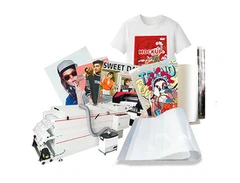

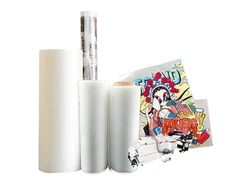





1. Transfer printing: (English: tropical print)
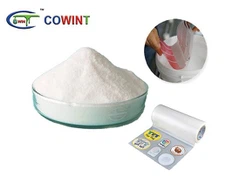
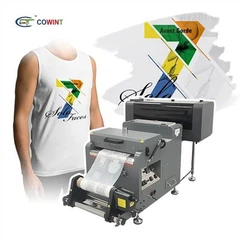
Firstly, the pigment is printed on paper using printing methods to create transfer printing paper. Then, the color is transferred to the fabric through high temperature (heating and pressure on the back of the paper). It is generally used for synthetic fabrics, characterized by bright colors, delicate layers, realistic patterns, and strong artistic value. However, this process is currently only applicable to a few synthetic fibers such as polyester. Transfer printing has a simple process, low investment, and flexible production. It is currently popular in the market. However, to be honest, compared with other types of printing, the price of transfer printing is a bit high, but it has a certain level of sophistication
2. Discharge printing: (English: wash out colors)
Discharge print: Use dyes that are not resistant to discharge agents to dye the ground color. After drying, use colored dyes containing discharge agents or both to print the paste. During post-processing, the ground color dye at the printed area is destroyed and faded, forming white patterns on the ground color or colored patterns formed by dyeing on the colored dye. Also known as whitening or coloring.
3. Reduce printing:
This process utilizes the differences in chemical corrosion resistance properties of different fibers in interwoven or blended fabrics, and applies a burning agent through printing methods to locally remove one type of fiber from the fabric, while retaining the other fibers to form a semi transparent pattern. Also known as burn out printing or distressed printing.
4. Wrinkle printing:
Using printing methods to locally apply chemicals that can cause fiber expansion or contraction on fabrics, and through appropriate treatment, creating differences in expansion or contraction between printed and non printed fibers, thus obtaining products with regular concave convex patterns on the surface. Pure cotton printed foam yarn using caustic soda as a puffing agent. Also known as concave convex printing.
5. Flat screen printing:
The printing mold is a polyester or nylon screen (pattern) fixed on a square frame with hollow patterns. The patterned areas on the pattern board can be penetrated by the color paste, while the areas without patterns are closed with a polymer film layer to seal the mesh. When printing, the pattern is tightly pressed onto the fabric, and the pattern is filled with color paste. A scraper is used to scrape and press back and forth, allowing the color paste to penetrate the pattern and reach the surface of the fabric. Flat screen printing has low production efficiency, but it has wide adaptability and flexible application, suitable for small batch and multi variety production.
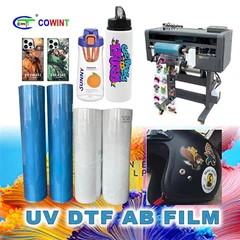
Cowint is the largest DTF Film Factory in China
