










Hey there! As a hot melt adhesive supplier, I often get asked this question: "Can hot melt adhesive be used for bonding leather?" Well, let's dive right into it and find out.
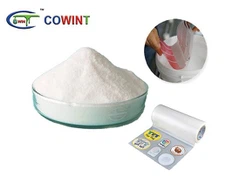
First off, let's understand what hot melt adhesive is. Hot melt adhesive, as the name suggests, is an adhesive that melts when heated and solidifies when it cools down. It's super convenient because it doesn't require any solvents, which means it dries quickly and is pretty eco - friendly. There are different types of hot melt adhesives out there, like ethylene - vinyl acetate (EVA), polyamide, and polyurethane. Each type has its own unique properties, which makes them suitable for different applications.
Now, let's talk about leather. Leather is a natural material that comes from animal hides. It's known for its durability, flexibility, and aesthetic appeal. There are also different types of leather, such as full - grain, top - grain, and bonded leather. Each type has different surface characteristics and porosity, which can affect how well an adhesive bonds to it.
So, can hot melt adhesive be used for bonding leather? The answer is yes, but it depends on a few factors.
Compatibility
The first thing to consider is the compatibility between the hot melt adhesive and the leather. Some types of leather have a finish or coating on them that can prevent the adhesive from bonding properly. For example, if the leather has a high - gloss finish, the adhesive might not be able to penetrate the surface and create a strong bond. In this case, you might need to use a primer or sand the surface lightly to improve adhesion.


On the other hand, if the leather is porous, like some full - grain leathers, the hot melt adhesive can seep into the pores and create a strong mechanical bond. Polyurethane hot melt adhesives are often a good choice for porous leathers because they can penetrate the surface and provide excellent adhesion.
Temperature Resistance
Leather can be sensitive to high temperatures. When using hot melt adhesive, you need to make sure that the melting temperature of the adhesive is not too high, or it could damage the leather. EVA hot melt adhesives typically have a lower melting point, usually around 120 - 180°C, which makes them a safer option for bonding leather. Polyamide hot melt adhesives, on the other hand, have a higher melting point, around 180 - 220°C, so you need to be more careful when using them.
Flexibility
Leather is a flexible material, so the adhesive you use also needs to be flexible. If the adhesive is too rigid, it can crack or break when the leather is bent or stretched, which will weaken the bond. Polyurethane hot melt adhesives are known for their flexibility, making them a great choice for leather applications where flexibility is important, such as in the production of leather shoes or bags.
Bond Strength
The bond strength required depends on the application. For example, if you're bonding two small pieces of leather for a craft project, a lower - strength adhesive might be sufficient. But if you're using leather in a high - stress application, like in the manufacturing of furniture or automotive interiors, you'll need a high - strength adhesive. Polyamide hot melt adhesives are often used in these applications because they can provide a very strong bond.
Applications of Hot Melt Adhesive in Leather Bonding
- Footwear Industry: Hot melt adhesives are widely used in the footwear industry. They can be used to bond the upper part of the shoe to the sole, as well as to attach decorative elements to the leather. For example, you can use a hot melt adhesive to attach a Hot Fix Tape to the leather upper of a shoe for a decorative effect.
- Leather Goods Manufacturing: In the production of leather bags, wallets, and belts, hot melt adhesives can be used to bond different parts of the leather together. They can also be used to attach linings or other materials to the leather.
- Upholstery: When it comes to upholstering furniture with leather, hot melt adhesives can be used to secure the leather to the frame or to attach different sections of leather.
Tips for Using Hot Melt Adhesive on Leather
- Clean the Surface: Before applying the hot melt adhesive, make sure the leather surface is clean and free of dust, dirt, and oils. You can use a mild leather cleaner to clean the surface and let it dry completely.
- Test First: Always do a test on a small, inconspicuous area of the leather before applying the adhesive to the entire piece. This will help you determine if the adhesive is compatible with the leather and if it will provide the desired bond strength.
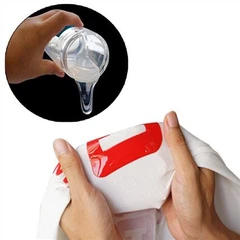
- Apply the Adhesive Properly: Use the right amount of adhesive and apply it evenly. You can use a hot melt gun or a dispenser to apply the adhesive. Make sure to follow the manufacturer's instructions for the best results.
Our Hot Melt Adhesive Products
As a hot melt adhesive supplier, we offer a wide range of products that are suitable for leather bonding. Our adhesives are carefully formulated to provide excellent adhesion, flexibility, and temperature resistance. Whether you're a small - scale leather crafter or a large - scale manufacturer, we have the right adhesive for your needs.
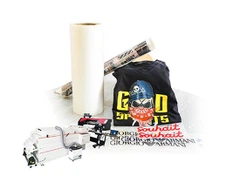
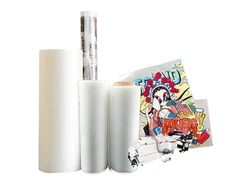
We also offer some related products that can be used in conjunction with our hot melt adhesives. For example, our Hot peel single matte DTF Film and INSTANT PEEL DOUBLE MATTE DTF FILM can be used for transfer printing on leather, which can add a unique and personalized touch to your leather products.
Conclusion
In conclusion, hot melt adhesive can definitely be used for bonding leather, but you need to choose the right type of adhesive based on the type of leather, the application, and the desired bond strength. By considering factors like compatibility, temperature resistance, flexibility, and bond strength, you can ensure a successful leather - bonding project.
If you're interested in our hot melt adhesive products or have any questions about leather bonding, feel free to get in touch with us. We're here to help you find the best adhesive solution for your needs. Let's start a great partnership in the world of leather bonding!
References
- "Adhesive Technology Handbook", Second Edition, Edited by Andrew Pizzi and K. L. Mittal
- "Leather Science and Technology" by Tony Covington