









Hey there! As a hot melt adhesive supplier, I often get asked all sorts of questions about what our products can and can't do. One question that's come up a few times lately is, "Can hot melt adhesive be used for bonding nickel?" Well, let's dive right into it and find out.
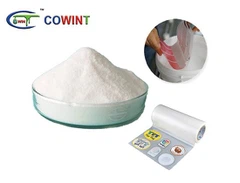
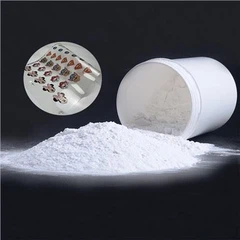
First off, let's talk a bit about hot melt adhesive. It's a type of adhesive that comes in a solid form at room temperature. When you heat it up, it turns into a liquid that can be easily applied to surfaces. Once it cools down, it solidifies again, creating a strong bond. Hot melt adhesives are popular because they're easy to use, dry quickly, and can bond a wide variety of materials.
Now, nickel is a metal that's known for its corrosion resistance, high melting point, and good electrical conductivity. It's used in a lot of different industries, from electronics to jewelry making. Bonding nickel can be a bit tricky because of its smooth surface and the fact that it doesn't react well with some adhesives.
So, can hot melt adhesive be used for bonding nickel? The answer is, it depends. There are several factors to consider.
Surface Preparation
One of the most important things when bonding any material is surface preparation. For nickel, you need to make sure the surface is clean and free of any dirt, oil, or oxidation. You can use a mild detergent to clean the surface, followed by a rinse with water and a thorough drying. If there's any oxidation on the nickel, you might need to use a fine-grit sandpaper to lightly abrade the surface. This will help the hot melt adhesive stick better.


Type of Hot Melt Adhesive
Not all hot melt adhesives are created equal. There are different types, each with its own properties and characteristics. Some hot melt adhesives are better suited for bonding metals than others. For example, polyurethane-based hot melt adhesives tend to have good adhesion to metals, including nickel. They offer high strength and flexibility, which can be important depending on the application.
Another type is ethylene-vinyl acetate (EVA) hot melt adhesive. While it's a common and affordable option, it might not provide the best bond to nickel. EVA adhesives are more commonly used for bonding porous materials like wood, paper, and fabric.
Temperature and Pressure
The temperature at which you apply the hot melt adhesive is crucial. You need to heat the adhesive to the right temperature so that it flows easily and can wet the surface of the nickel properly. If the temperature is too low, the adhesive might not spread evenly, and the bond might be weak. On the other hand, if the temperature is too high, it could damage the nickel or cause the adhesive to break down.
Applying pressure during the bonding process can also improve the bond strength. You can use a clamp or some other means to apply pressure while the adhesive is still hot and flowing. This helps to ensure good contact between the adhesive and the nickel surface.
Application Examples
Let's look at some real-world examples of where hot melt adhesive might be used to bond nickel.
In the electronics industry, nickel is often used in circuit boards and connectors. Hot melt adhesive can be used to bond small nickel components in place. For example, if you're assembling a custom circuit board, you might use a hot melt adhesive to secure a nickel-plated connector. This can provide a quick and easy way to hold the parts together during the assembly process.
In the jewelry-making industry, nickel is sometimes used in alloy form to make jewelry pieces. Hot melt adhesive can be used to bond small nickel accents or decorative elements to a larger piece. However, in this case, you need to make sure the adhesive is safe for use in jewelry and won't cause any allergic reactions.
Our Products and Their Suitability
As a hot melt adhesive supplier, we offer a range of products that might be suitable for bonding nickel. Our polyurethane-based hot melt adhesives have been tested and proven to provide good adhesion to nickel. They offer high strength and flexibility, making them a great choice for applications where the bond needs to withstand some stress.
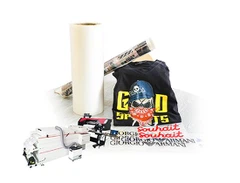
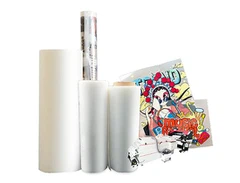
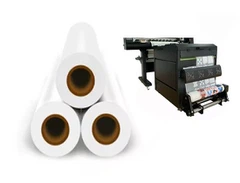
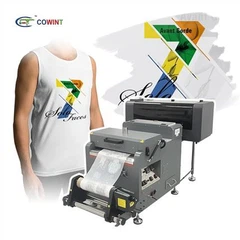
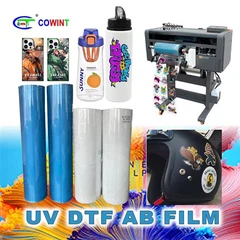
If you're in the transfer printing industry, you might also be interested in some of our related products. Check out our KW-UV 603 3 Epson I3200 Printheads UV DTF Printer, Transfer Printing Material, and Hot Peel Double Matte DTF Film. These products can work hand in hand with our hot melt adhesives to create high-quality transfer prints.
Testing and Evaluation
Before using a hot melt adhesive for a large-scale project, it's always a good idea to do some testing. You can take a small sample of nickel and apply the adhesive to it using the same surface preparation, temperature, and pressure conditions that you plan to use in the actual project. Then, let the adhesive dry and test the bond strength. You can try pulling or bending the bonded parts to see how well the adhesive holds up.
Conclusion
So, to sum it up, hot melt adhesive can be used for bonding nickel, but you need to take the right steps to ensure a strong and reliable bond. Pay attention to surface preparation, choose the right type of adhesive, control the temperature and pressure, and do some testing before you start a big project.
If you're interested in using our hot melt adhesives for bonding nickel or have any other questions, don't hesitate to reach out. We're here to help you find the best solution for your bonding needs. Whether you're in the electronics, jewelry, or any other industry, we've got the products and expertise to assist you. Contact us today to start a conversation about your project and how we can work together.
References
- ASTM International. "Standard Test Methods for Strength Properties of Adhesive Bonds in Shear by Tension Loading (Metal-to-Metal)." ASTM D1002.
- "Handbook of Adhesive Bonding" by Andrew Pizzi and K. L. Mittal.