











Hey there! As a hot melt adhesive supplier, I often get asked all sorts of questions about the applications of our products. One question that popped up recently really got me thinking: Can hot melt adhesive be used for bonding tin? Let's dive into this topic and see what we can find out.
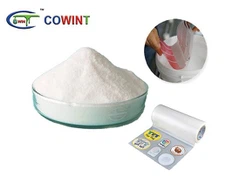
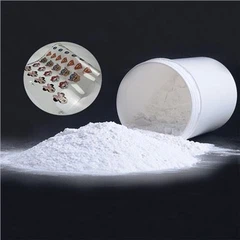
First off, let's understand what hot melt adhesive is. It's a type of adhesive that comes in a solid form at room temperature. When heated, it turns into a liquid that can be easily applied to surfaces. Once it cools down, it solidifies again, creating a strong bond. It's widely used in various industries because it's easy to use, dries quickly, and can bond a variety of materials.
Now, let's talk about tin. Tin is a soft, silvery - white metal that's known for its low melting point and corrosion resistance. It's used in many applications, from food packaging to electronics. When it comes to bonding tin, the main challenge is that tin has a smooth and non - porous surface. This makes it a bit tricky for adhesives to stick to.
So, can hot melt adhesive bond tin? The answer is, it depends. There are several factors we need to consider.
Compatibility
The first thing to think about is the compatibility between the hot melt adhesive and tin. Different types of hot melt adhesives are made from different polymers, such as ethylene - vinyl acetate (EVA), polyamides, and polyurethanes. Each of these polymers has different properties and levels of adhesion to various materials.
For example, EVA - based hot melt adhesives are very common and are great for bonding many porous materials. However, their adhesion to non - porous surfaces like tin might not be as strong. Polyamide hot melt adhesives, on the other hand, are known for their high - strength bonds and good resistance to heat and chemicals. They might have a better chance of bonding well with tin.
Surface Preparation
Surface preparation is crucial when it comes to bonding any materials, and tin is no exception. A clean and properly prepared tin surface will allow the hot melt adhesive to adhere better. Before applying the adhesive, the tin surface should be cleaned to remove any dirt, oil, or oxidation. This can be done using a mild solvent or a specialized cleaning agent.
After cleaning, the surface can be roughened slightly to increase the surface area for the adhesive to grip onto. This can be achieved by sanding the tin surface gently with fine - grit sandpaper. However, be careful not to scratch the tin too deeply, as this could affect its integrity.
Application Conditions
The application conditions also play a big role in the success of the bonding process. The temperature at which the hot melt adhesive is applied is critical. If the temperature is too low, the adhesive might not flow properly and won't form a good bond. If the temperature is too high, it could damage the tin or cause the adhesive to break down.
The pressure applied during the bonding process is also important. Applying sufficient pressure helps to spread the adhesive evenly and ensures good contact between the adhesive and the tin surface. This can be done using a clamp or a press, depending on the size and shape of the tin parts being bonded.
Real - World Applications
In some real - world scenarios, hot melt adhesives have been used to bond tin. For example, in the packaging industry, hot melt adhesives can be used to seal tin cans or attach labels to tin containers. In these cases, the bond doesn't need to be extremely strong, but it does need to be reliable enough to hold the parts together during handling and storage.
In the electronics industry, bonding tin components can be more challenging due to the need for high - precision and reliable connections. However, with the right type of hot melt adhesive and proper surface preparation, it's possible to achieve a satisfactory bond. For example, some specialized hot melt adhesives can be used to secure tin - coated wires or components in electronic devices.


Our Products and Solutions
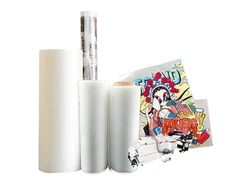
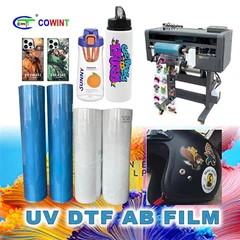
As a hot melt adhesive supplier, we offer a range of products that might be suitable for bonding tin. Our Hot Peel Double Matte DTF Film is not only great for transfer printing but also has some properties that could potentially be useful for bonding tin. The adhesive on this film has good adhesion properties and can be applied at a relatively low temperature, which is important when working with tin.
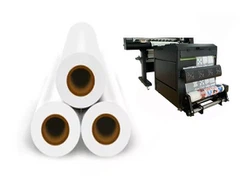
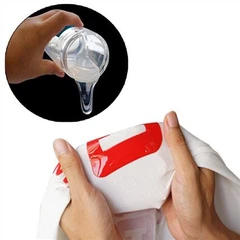
Our Heat Transfer products also use hot melt adhesives in the transfer process. These adhesives are designed to provide a strong bond between different materials, and with proper adjustment, they could be used for bonding tin.
In addition, our Transfer Print Chemical products can be used in the surface preparation process to ensure better adhesion between the hot melt adhesive and the tin surface. These chemicals can help clean and activate the tin surface, making it more receptive to the adhesive.
Conclusion
In conclusion, while it's possible to use hot melt adhesive to bond tin, it's not a straightforward process. Compatibility, surface preparation, and application conditions all need to be carefully considered. With the right product selection and proper techniques, a reliable bond can be achieved.
If you're interested in using our hot melt adhesives for bonding tin or have any other questions about our products, we'd love to hear from you. Whether you're in the packaging, electronics, or any other industry, we're here to provide you with the best solutions for your bonding needs. Don't hesitate to reach out to us for more information and to start a conversation about your specific requirements.
References
- "Handbook of Adhesive Technology" by Skeist, I.
- "Adhesives and Sealants Technology" by Harper, C. A.