








Hey there! I'm an ODM 3D Transfer supplier, and today I wanna talk about whether ODM 3D Transfer can be used for electronic enclosures. It's a question I get asked a lot, so let's dive right in.


First off, what exactly is ODM 3D Transfer? Well, it's a cool technology that allows us to transfer high - quality images, patterns, or textures onto various surfaces in a three - dimensional way. This process involves using special Transfer Film that can hold the design and then transfer it onto the target object under specific conditions like heat and pressure.
Now, let's think about electronic enclosures. These are the outer casings of electronic devices such as smartphones, laptops, tablets, and even smaller gadgets like earbuds. They serve both a functional and an aesthetic purpose. Functionally, they protect the internal components from dust, moisture, and physical damage. Aesthetically, they can make the device look more appealing to consumers.
One of the big advantages of using ODM 3D Transfer for electronic enclosures is the customization. In today's market, consumers are looking for unique products. With ODM 3D Transfer, we can create all sorts of designs. Whether it's a company logo, a trendy pattern, or a personalized image, we can transfer it onto the enclosure. This gives electronic manufacturers a way to differentiate their products from the competition.
Another benefit is the quality of the finish. The 3D effect adds depth and dimension to the design, making it look more eye - catching. The transferred image is also very durable. It can withstand normal wear and tear, like being handled by users or minor scratches. This is important because electronic devices are often carried around and used in different environments.
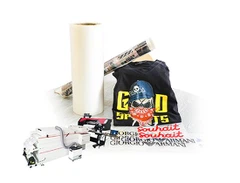
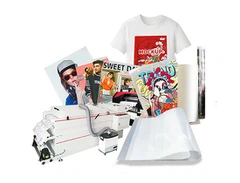
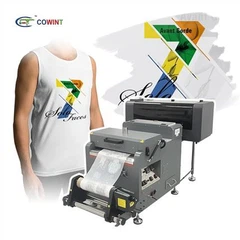
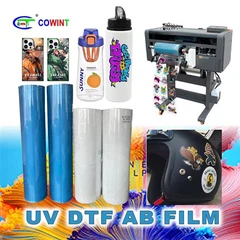
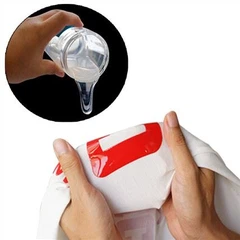
Let's talk about the process itself. We start by creating the design on a computer. Then, we print the design onto a Heat Transfer Film. After that, the film is placed on the electronic enclosure, and heat and pressure are applied. The heat activates the adhesive on the film, and the design is transferred onto the enclosure. Once the transfer is complete, the film is removed, leaving behind a beautiful, high - quality design.
But, like any technology, there are also some considerations. One of the main things is the material of the electronic enclosure. Different materials may react differently to the 3D transfer process. For example, plastics are commonly used for electronic enclosures, and most types of plastics can work well with ODM 3D Transfer. However, some plastics with special coatings or treatments may require some adjustments to the transfer process.
Another consideration is the size and shape of the enclosure. If the enclosure has a very complex shape with lots of curves and corners, it might be a bit more challenging to ensure an even transfer. But with our experience and expertise, we've been able to work around these issues and still achieve great results.
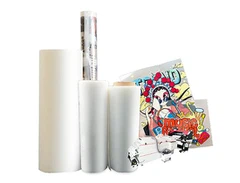
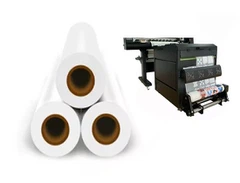
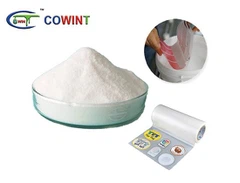
There are also different types of transfer films available, like the COLD PEEL SINGLE MATTE DTF FILM. This type of film has its own advantages. It's suitable for certain applications where a cold - peel process is preferred. The matte finish also gives a more sophisticated look to the transferred design.
In terms of cost - effectiveness, ODM 3D Transfer can be a great option. Compared to some other methods of adding designs to electronic enclosures, such as painting or screen - printing, it can be more cost - efficient, especially for larger production runs. The setup costs may be a bit higher at the beginning, but once the process is optimized, the per - unit cost can be quite reasonable.
Now, let's look at some real - world examples. Many well - known electronic brands are already using 3D transfer technology for their enclosures. For smartphones, it can be used to add a unique back panel design that stands out on the shelves. For laptops, it can be used to display the brand logo in a more prominent and stylish way.
To sum it up, ODM 3D Transfer can definitely be used for electronic enclosures. It offers customization, high - quality finishes, durability, and cost - effectiveness. If you're an electronic manufacturer looking to enhance the appearance of your products, or if you're just interested in exploring new ways to make your devices more unique, ODM 3D Transfer is worth considering.
If you're thinking about incorporating ODM 3D Transfer into your electronic enclosure production, I'd love to talk to you. Whether you have questions about the process, the design possibilities, or the cost, feel free to reach out. We can have a detailed discussion and see how we can work together to bring your ideas to life.
References
- Industry reports on surface finishing technologies for electronic products
- Technical documents on 3D transfer processes and materials