








Hey there! I'm a supplier of ODM 3D Transfer, and today I wanna have a chat about whether ODM 3D Transfer can be used for medical device manufacturing. It's a super interesting topic, and I've got some insights to share based on my experience in the industry.
First off, let's quickly explain what ODM 3D Transfer is. ODM, or Original Design Manufacturer, means that we as a supplier not only produce the products but also offer design services. 3D Transfer is a technique that allows us to transfer patterns, images, or textures onto various surfaces in a three - dimensional way. It's pretty cool because it can create a more realistic and eye - catching look compared to traditional 2D printing.
Now, when it comes to medical device manufacturing, there are a bunch of requirements and considerations. Medical devices need to meet strict safety and quality standards. They have to be biocompatible, which means they can't cause any harm or adverse reactions when in contact with the human body. They also need to be durable enough to withstand the conditions of use, whether it's in a hospital environment or at home for personal use.
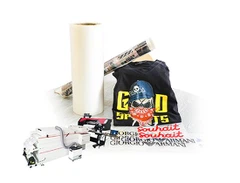
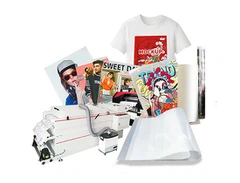
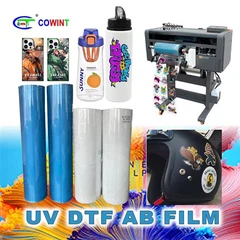
One of the big advantages of using ODM 3D Transfer in medical device manufacturing is customization. Every medical device may have different needs. For example, some devices may need to have specific markings for easy identification, like the brand logo, model number, or usage instructions. With 3D Transfer, we can easily customize these markings. We can create high - resolution and detailed images that are clear and long - lasting. You can check out our 3D Transfer Sheet to see the kind of customization we can offer.
Another benefit is the aesthetic aspect. While the functionality of medical devices is crucial, the appearance also matters. A well - designed and good - looking medical device can make patients feel more comfortable and confident using it. 3D Transfer can add a touch of style to medical devices. It can create smooth and sleek surfaces or add interesting textures, which not only improve the overall look but also enhance the grip of the device, making it easier to handle.
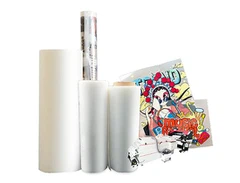
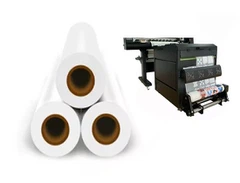
But, of course, there are also some challenges. As I mentioned earlier, medical devices need to be biocompatible. The materials used in the 3D Transfer process need to be carefully selected to ensure they meet these requirements. We need to make sure that the inks, films, and adhesives used won't release any harmful substances. Our Heat Transfer Film is made of high - quality materials that are being tested to meet the strictest standards, but continuous research and development are still needed to ensure full compliance.
Durability is another issue. Medical devices are often subject to cleaning, sterilization, and repeated use. The transferred patterns need to be able to withstand these processes without fading, peeling, or cracking. We've been working hard on improving the durability of our 3D Transfer. Our COLD PEEL DOUBLE OF MATTE FILM is designed to have better adhesion and resistance to wear and tear, but there's always room for improvement.
Infection control is also a major concern in medical device manufacturing. The surface of the medical device needs to be easy to clean and disinfect. The 3D Transfer process should not create any crevices or rough areas where bacteria can accumulate. We're constantly looking for ways to optimize the transfer process to ensure a smooth and cleanable surface.


Despite these challenges, I believe that ODM 3D Transfer has great potential in medical device manufacturing. With the right materials, processes, and quality control, we can overcome these obstacles. For example, in some non - invasive medical devices like blood pressure monitors or glucose meters, 3D Transfer can be used to add branding and user - friendly markings. It can also be used in the manufacturing of medical equipment casings to make them more visually appealing.
If you're in the medical device manufacturing industry and are interested in exploring the possibilities of ODM 3D Transfer, I'd love to have a chat with you. We can discuss your specific needs, whether it's about customization, durability, or biocompatibility. We've got a team of experts who are ready to work with you to find the best solutions.
In conclusion, while there are some hurdles to overcome, ODM 3D Transfer can definitely be a valuable tool in medical device manufacturing. It offers customization, aesthetic improvements, and the potential for better user experience. If you're looking for a reliable ODM 3D Transfer supplier, don't hesitate to reach out. Let's work together to take your medical devices to the next level.
References
- Various industry reports on medical device manufacturing and surface - printing technologies
- Internal research and development data from our company on ODM 3D Transfer materials and processes