










Hey there! As a transfer adhesive supplier, I often get asked a bunch of questions about what our products can and can't do. One question that's come up lately is: "Can transfer adhesive be used for bonding cork?" Let's dig into this topic and find out.
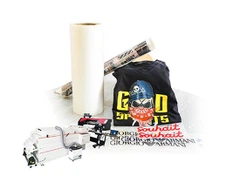
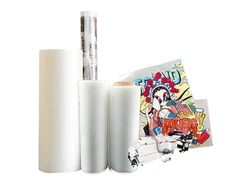
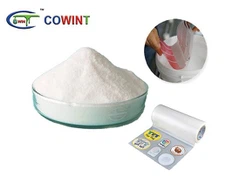
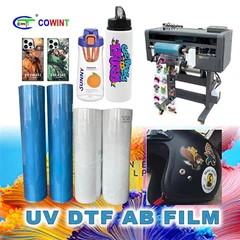
First off, let's talk a bit about transfer adhesive. It's a special kind of glue, if you will. Transfer adhesives are designed to move a pattern, design, or material from one surface to another. They're commonly used in the printing and decoration industries for things like applying graphics to various objects. For instance, it has found great applications in products such as INSTANT PEEL SINGLE MATTE DTF OF FILM, Overlay Decoration Film, and High-density Transfer Print. These are all areas where the ability to transfer a design smoothly and securely is crucial.
Now, let's turn our attention to cork. Cork is a pretty unique material. It comes from the bark of the cork oak tree and has some interesting properties. It's lightweight, buoyant, and has natural elasticity. It also has a cellular structure, which gives it some insulation and shock - absorbing qualities. You'll find cork being used in a wide range of products, from wine bottle stoppers to flooring and wall tiles, as well as in craft projects.
So, can transfer adhesive bond cork? Well, it depends on a few factors.
Compatibility
The first thing to consider is the compatibility between the transfer adhesive and cork. Different transfer adhesives are formulated with different chemistries. Some are based on water, others on solvents, and then there are hot - melt adhesives. Each type has its own characteristics and how well it will bond to cork can vary.
Water - based transfer adhesives are popular because they're relatively environmentally friendly and easy to clean up. They tend to be less aggressive than solvent - based ones. When it comes to cork, water - based adhesives can work well if the cork surface is clean and dry. However, since cork is a natural material and can absorb water to some extent, there's a risk that the water in the adhesive might cause the cork to swell slightly. This could potentially affect the bond over time.
Solvent - based transfer adhesives are stronger and dry faster. They can penetrate the surface of the cork better and form a more robust bond. But they have their drawbacks too. They often have a strong odor and can be more harmful to the environment and human health. Also, the solvents in these adhesives might react with the natural substances in cork, which could lead to discoloration or other issues.
Hot - melt transfer adhesives are melted and then applied to the surface. They solidify quickly as they cool, creating a fast bond. These can be a good option for cork because they don't contain water or solvents that could cause problems. However, the high temperature required to melt the adhesive might damage the cork if not carefully controlled.
Surface Preparation
Surface preparation is key when it comes to bonding anything, and cork is no exception. Before applying the transfer adhesive, the cork surface needs to be clean. This means removing any dust, dirt, or oils that might be on the surface. You can use a mild cleaner and a soft cloth to wipe the cork down. Once it's clean, make sure it's completely dry before applying the adhesive.
If the cork has a rough or uneven surface, you might want to sand it lightly to create a smoother area for bonding. But be careful not to sand too much, as you don't want to damage the cork's natural structure.
Application Method
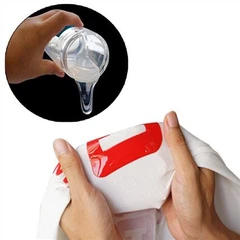
The way you apply the transfer adhesive also matters. For a small cork project, you might be able to use a brush or a roller to apply the adhesive evenly on the cork surface. Make sure to apply just the right amount - not too thick and not too thin. If the layer is too thick, it might take longer to dry and could lead to a messy bond. If it's too thin, the bond might not be strong enough.


For larger industrial applications, you might use a spray gun or a machine to apply the transfer adhesive. These methods can provide a more uniform coating, which can lead to a better - quality bond.
Testing
Before you start a big project, it's always a good idea to do a test. Cut a small piece of cork and a sample of the material you want to bond to it. Apply the transfer adhesive according to the manufacturer's instructions and let it dry. Then, try to pull the bonded pieces apart. If the bond is strong and there's no obvious damage to the cork or the material, then the adhesive is likely a good choice.
Advantages of Using Transfer Adhesive for Bonding Cork
If you manage to get the right combination of adhesive, application, and surface preparation, there are some real benefits to using transfer adhesive for bonding cork.
One big advantage is the precision. Transfer adhesives allow you to place the cork exactly where you want it with little mess. This is great for intricate craft projects or when you're working on a product where the placement of the cork is critical.
Another advantage is the strength of the bond. Once the adhesive has set properly, it can hold the cork firmly in place, even under normal use. This makes it suitable for products that need to withstand some wear and tear, like cork flooring or furniture with cork accents.
Disadvantages
However, there are also some downsides. As mentioned earlier, some adhesives can cause issues with the cork, such as discoloration or swelling. And depending on the type of adhesive, you might have to deal with things like strong odors, long drying times, or the need for special equipment.
In conclusion, transfer adhesive can be used for bonding cork, but it's not a one - size - fits - all solution. You have to carefully consider the type of adhesive, prepare the cork surface properly, and test the bond before diving into a full - scale project. We, as a transfer adhesive supplier, are here to help you make the right choice. If you're interested in using transfer adhesives for your cork - related projects, whether it's for a small DIY craft or a large industrial application, feel free to reach out to us for more information and to discuss your specific needs. We can provide samples and offer advice based on our experience. Let's work together to find the best transfer adhesive solution for your cork bonding requirements.
References
- "Adhesive Technology Handbook"
- "Properties and Applications of Cork"