






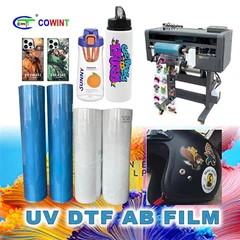
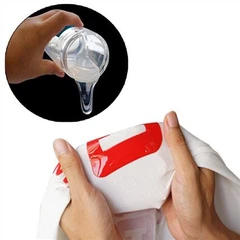


In the dynamic world of commercial printing and branding, transfer film has emerged as a game - changer. As a transfer film supplier, I've witnessed firsthand the growing interest in using transfer film for commercial purposes. This blog aims to explore the viability, benefits, and considerations of using transfer film in commercial settings.
What is Transfer Film?
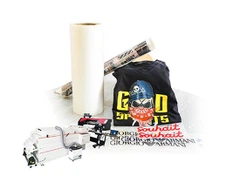
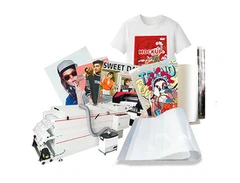
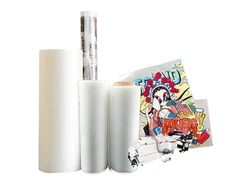
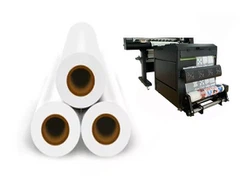
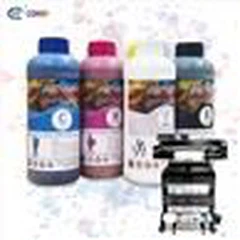
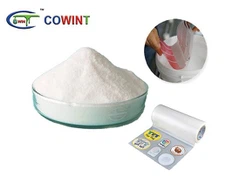
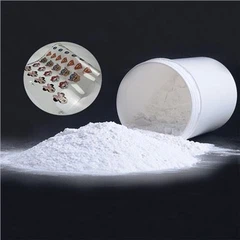
Transfer film is a specialized material designed to transfer images, patterns, or designs onto various substrates. It comes in different types, including thermal transfer film and heat transfer film. Film For Thermal Transfer is a popular option that uses heat to transfer the design from the film to the target surface. Heat Transfer Pet Paper is another variant, often used for its durability and smooth printing surface. Heat Transfer Film encompasses a broader range of films that can be used in different heat - transfer processes.
Advantages of Using Transfer Film for Commercial Purposes
Versatility
One of the most significant advantages of transfer film is its versatility. It can be used on a wide variety of substrates, including textiles, plastics, metals, and ceramics. This means that businesses in different industries can leverage transfer film for their branding and product customization needs. For example, a clothing brand can use transfer film to print high - quality logos and designs on their garments, while a consumer electronics company can apply transfer film to add decorative elements to their products.
High - Quality Printing
Transfer film allows for high - resolution printing, resulting in sharp and vibrant images. The printing process can accurately reproduce complex designs, gradients, and colors, making it an ideal choice for businesses that require professional - looking branding. Whether it's a detailed corporate logo or a colorful promotional image, transfer film can deliver excellent results.
Cost - Effective
Compared to other printing methods, transfer film can be a cost - effective solution, especially for small to medium - sized production runs. The setup costs are relatively low, and there is no need for expensive printing plates or screens. Additionally, the transfer process is relatively simple, which reduces labor costs. This makes it an attractive option for startups and businesses looking to minimize their production expenses without compromising on quality.
Durability
Transfer film provides durable prints that can withstand regular wear and tear. The transferred designs are resistant to fading, cracking, and peeling, ensuring that the branding on products remains intact over time. This is particularly important for products that are exposed to harsh environmental conditions or frequent use, such as outdoor clothing or industrial equipment.
Commercial Applications of Transfer Film
Apparel and Textiles
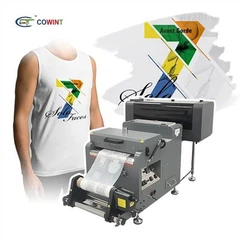
The apparel industry is one of the largest users of transfer film. Clothing brands use transfer film to print logos, slogans, and graphics on T - shirts, hoodies, and other garments. The transfer film can be applied to different types of fabrics, including cotton, polyester, and blends, and the prints are soft to the touch, ensuring comfort for the wearer. This allows clothing brands to offer unique and customized products to their customers, which can help them stand out in a competitive market.
Packaging
Transfer film can also be used in the packaging industry. It can be applied to cardboard boxes, plastic containers, and other packaging materials to add branding elements, product information, or decorative designs. The high - quality printing of transfer film enhances the visual appeal of the packaging, making the products more attractive to consumers on the shelves.
Promotional Products
Many businesses use transfer film to create promotional products, such as keychains, mugs, and phone cases. These items can be customized with the company's logo, slogan, or promotional message, making them effective marketing tools. The durability of transfer film ensures that the promotional products maintain their appearance for a long time, increasing the brand's visibility.


Automotive and Industrial Applications
In the automotive and industrial sectors, transfer film is used for labeling, decoration, and identification purposes. It can be applied to car parts, machinery, and equipment to display product information, warning signs, or brand logos. The ability of transfer film to adhere to different surfaces and withstand harsh conditions makes it suitable for these demanding applications.
Considerations for Using Transfer Film in Commercial Settings
Substrate Compatibility
Before using transfer film, it's essential to ensure that it is compatible with the substrate. Different transfer films are designed for specific materials, and using an incompatible film can result in poor adhesion, uneven printing, or damage to the substrate. Conducting a small test print on a sample of the substrate is recommended to ensure optimal results.
Printing Equipment
The quality of the transfer also depends on the printing equipment used. High - quality printers and heat presses are required to achieve accurate and consistent results. Businesses need to invest in appropriate equipment or partner with a professional printing service that has the necessary expertise and technology.
Design Considerations
When designing for transfer film, certain factors need to be taken into account. For example, the design should be optimized for the transfer process, considering the limitations of the film and the printing equipment. Additionally, the colors used in the design should be selected based on the capabilities of the transfer film to ensure accurate color reproduction.
Regulatory Compliance
Depending on the industry and the application, there may be regulatory requirements that need to be met when using transfer film. For example, in the food and beverage industry, the transfer film used on packaging materials must comply with food safety regulations. Businesses need to ensure that the transfer film they use meets all relevant standards and regulations.
Conclusion
In conclusion, transfer film can definitely be used for commercial purposes, and it offers numerous benefits for businesses in different industries. Its versatility, high - quality printing, cost - effectiveness, and durability make it an attractive option for branding, product customization, and promotional activities. However, businesses need to consider factors such as substrate compatibility, printing equipment, design, and regulatory compliance to ensure successful implementation.
If you are a business looking to explore the possibilities of using transfer film for your commercial needs, I encourage you to reach out. As a transfer film supplier, we have a wide range of products and solutions to meet your specific requirements. Whether you need help with design optimization, printing equipment selection, or regulatory compliance, our team of experts is here to assist you. Contact us to discuss your project and start leveraging the benefits of transfer film for your business.
References
- "Printing Technology Handbook" - This comprehensive handbook provides in - depth information on various printing methods, including transfer film printing.
- Industry reports on the commercial printing market, which offer insights into the trends and applications of transfer film in different industries.
- Research papers on the durability and performance of transfer film on different substrates.