






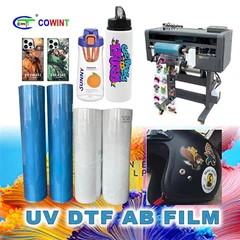
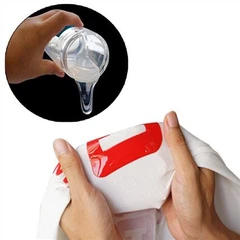


Can transfer film be used on cardboard? This is a question that many customers often ask me as a transfer film supplier. In this blog post, I'll delve into the possibilities, challenges, and best practices of using transfer film on cardboard, sharing insights based on my experience in the industry.


Understanding Transfer Film
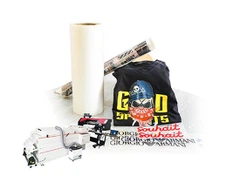
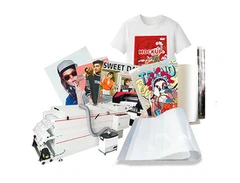
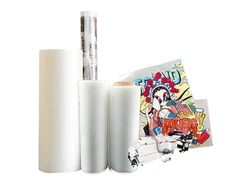
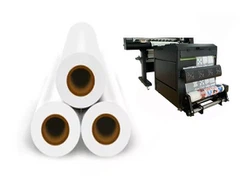
Before we explore its compatibility with cardboard, let's first understand what transfer film is. Transfer film is a versatile material used in various printing and decoration processes. It allows for the transfer of images, patterns, or designs from the film onto another surface. There are different types of transfer films available in the market, such as Heat Transfer and Digital Transfer Printing Film /PET Roll Film. These films are commonly used in industries like textiles, packaging, and advertising to add visual appeal to products.
The Appeal of Using Transfer Film on Cardboard
Cardboard is a widely used material in packaging, displays, and crafts. It is cost - effective, lightweight, and environmentally friendly. Using transfer film on cardboard can enhance its aesthetic value, making it more attractive to consumers. For example, in the packaging industry, adding high - quality images or brand logos to cardboard boxes can significantly improve brand recognition. In the case of promotional displays, transfer film can create eye - catching visuals that draw people's attention.
Compatibility Factors
However, using transfer film on cardboard is not as straightforward as it may seem. Several factors need to be considered to ensure successful transfer.
Surface Smoothness
Cardboard has a relatively rough surface compared to other materials like plastics or metals. Transfer film usually requires a smooth surface for optimal adhesion and a clear transfer of the design. The rough texture of cardboard can cause the film not to adhere evenly, resulting in a blurry or incomplete transfer. To address this issue, some types of cardboard can be pre - treated to smooth the surface. For example, applying a thin layer of primer can fill in the small gaps and irregularities, providing a more suitable surface for the transfer film.
Absorbency
Cardboard is an absorbent material. When using transfer film, the ink or adhesive on the film may be absorbed by the cardboard, leading to color distortion or a weak bond between the film and the surface. This is particularly a problem with certain types of transfer films that rely on a liquid - based ink system. To mitigate this, special transfer films that are formulated to resist absorption can be used. These films are designed to form a strong bond on absorbent surfaces without losing the integrity of the design.
Heat Resistance
Many transfer processes, especially Heat Transfer, involve the application of heat. Cardboard has a relatively low heat resistance compared to some other materials. Excessive heat can cause the cardboard to warp, burn, or change color. Therefore, when using heat - based transfer methods on cardboard, it is crucial to carefully control the temperature and duration of the heat application. Using a lower temperature for a longer period may be a better approach to achieve a successful transfer without damaging the cardboard.
Types of Transfer Films Suitable for Cardboard
Not all transfer films are created equal when it comes to cardboard. Here are some types that are more likely to work well:
Cold Transfer Films
Cold transfer films do not require heat for the transfer process. They are typically applied using pressure, which makes them a safer option for cardboard. Cold transfer films can be a good choice for cardboard that is sensitive to heat. They also offer a quick and easy application process, which is beneficial for small - scale projects or when working with delicate cardboard structures.
Specialized Cardboard Transfer Films
Some manufacturers produce transfer films specifically designed for use on cardboard. These films take into account the unique properties of cardboard, such as its absorbency and surface texture. They are formulated to provide a strong bond and a high - quality transfer on cardboard surfaces. Digital Transfer Printing Film /PET Roll Film can also be a good option, as it offers high - resolution printing and can be adapted to different surface conditions with proper pre - treatment.
Application Process
The application process of transfer film on cardboard is a critical step in achieving a successful result.
Pre - treatment
As mentioned earlier, pre - treating the cardboard surface can improve the transfer quality. This can involve cleaning the surface to remove any dust or debris, and then applying a primer or a sealing agent. The primer helps to create a more even surface and reduces the absorbency of the cardboard.
Printing the Design
Once the cardboard is pre - treated, the design is printed onto the transfer film. This can be done using various printing methods, such as digital printing or screen printing. The choice of printing method depends on the complexity of the design, the quantity of the project, and the type of transfer film being used.
Transferring the Film
For heat - based transfer methods, a heat press machine is used. The transfer film with the printed design is placed on the pre - treated cardboard, and heat and pressure are applied according to the film's specifications. In the case of cold transfer films, a roller or a press can be used to apply pressure evenly across the film to ensure proper adhesion.
Challenges and Solutions
Despite the potential benefits, there are still some challenges when using transfer film on cardboard.
Durability
The durability of the transfer on cardboard can be a concern. The transfer may not withstand wear and tear over time, especially if the cardboard is exposed to friction, moisture, or sunlight. To improve durability, a protective coating can be applied over the transferred design. This coating can act as a barrier, protecting the design from environmental factors and increasing its lifespan.
Cost
Using transfer film on cardboard can be more expensive than traditional printing methods, especially for large - scale projects. However, the added value in terms of visual appeal and brand recognition can often justify the cost. To reduce costs, suppliers can offer bulk discounts, and customers can optimize their design and production processes to minimize waste.
Conclusion
In conclusion, transfer film can be used on cardboard, but it requires careful consideration of various factors. The surface smoothness, absorbency, and heat resistance of cardboard need to be taken into account when choosing the right transfer film and application method. With proper pre - treatment, the use of suitable transfer films, and careful control of the transfer process, high - quality and durable transfers can be achieved on cardboard.
If you are interested in using transfer film for your cardboard projects, I encourage you to explore our wide range of Transfer Printing Material. Our team of experts is always ready to assist you in finding the best solution for your specific needs. Whether you are a small business looking to enhance your packaging or a large corporation in need of promotional displays, we can provide you with the right transfer film and guidance for a successful project. Feel free to contact us to start a procurement discussion and take your cardboard designs to the next level.
References
- "The Handbook of Printing Technologies" - A comprehensive guide on different printing and transfer techniques.
- Industry research reports on the use of transfer films in various materials, including cardboard.
- Technical documentation from transfer film manufacturers on the compatibility and application of their products on different surfaces.