








Can transfer film be used on food packaging? This is a question that many in the packaging industry, especially those involved in food products, often ask. As a Transfer Film supplier, I'm in a unique position to offer insights into this topic, exploring the technical aspects, safety considerations, and market trends related to using transfer film for food packaging.
Understanding Transfer Films
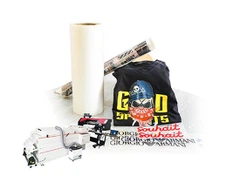
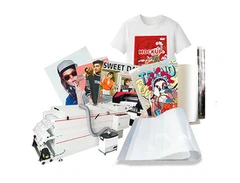
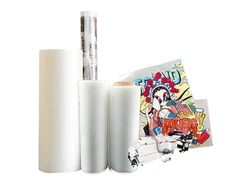
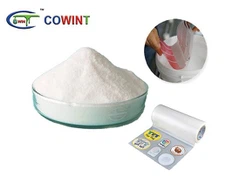
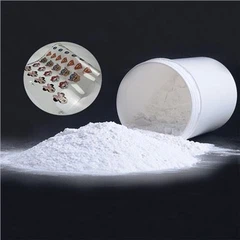
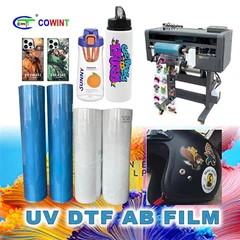
Transfer films are materials that are used to transfer designs, patterns, or information onto various surfaces. There are different types of transfer films, such as INSTANT PEEL DOUBLE MATTE DTF FILM and Heat Transfer Film. These films offer a high - quality and efficient way to print detailed and vibrant designs, which makes them attractive for many packaging applications.
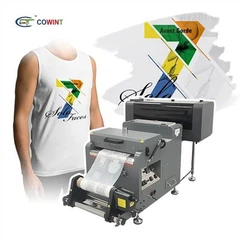
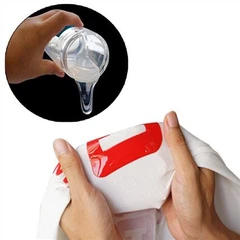
The process of using transfer films involves printing the design on the film and then transferring it to the target surface through heat, pressure, or other means. This method allows for precise and customizable printing, making it suitable for various branding and product information needs.
Technical Considerations for Food Packaging
When considering using transfer films for food packaging, several technical factors need to be taken into account. First, the adhesion of the transfer film to the packaging material is crucial. The film must adhere firmly to prevent it from peeling off during handling, storage, and transportation. This is especially important for food products, which may be exposed to moisture, temperature changes, and mechanical stress.
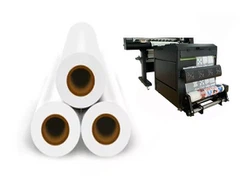
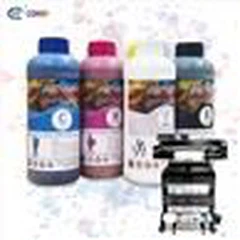
Secondly, the printing quality of the transfer film needs to meet the requirements of food packaging. The design should be clear, durable, and resistant to fading or smudging. For example, the KW - UV 603 3 Epson I3200 Printheads UV DTF Printer can be used to achieve high - resolution and long - lasting prints on transfer films, ensuring that the product information and branding are always visible and appealing.
Another technical aspect is the flexibility of the transfer film. Food packaging often requires a certain degree of flexibility, especially for products like snacks or confectionery. The transfer film should be able to bend and adapt to the shape of the packaging without cracking or losing its adhesion.
Safety Considerations for Food Contact
The most critical aspect of using transfer films for food packaging is safety. The materials used in the transfer film must be safe for contact with food. This means that they should comply with relevant food safety regulations, such as the FDA (Food and Drug Administration) regulations in the United States or the EU food contact material regulations in Europe.
The inks and coatings used on the transfer film are of particular concern. They should be non - toxic, non - migratory, and free from harmful substances such as heavy metals, phthalates, and certain solvents. Migratory substances can leach from the packaging into the food, posing a potential health risk to consumers. Therefore, ensure that all components of the transfer film, including the base film, inks, and coatings, have been tested and approved for food contact.
Market Trends in Food Packaging with Transfer Films
In recent years, there has been a growing trend towards more sustainable and visually appealing food packaging. Transfer films can play a significant role in meeting these demands. For sustainable packaging, manufacturers are looking for transfer films that are made from recyclable or biodegradable materials. Some suppliers are now developing transfer films based on bio - based polymers, which can reduce the environmental impact of food packaging.
Visually, consumers are increasingly attracted to packaging with unique and eye - catching designs. Transfer films allow for a wide range of design possibilities, from simple product labels to elaborate 3D effects. This can help food brands stand out on the shelves and enhance their market competitiveness.
Advantages of Using Transfer Films in Food Packaging
There are several advantages to using transfer films in food packaging. Firstly, they offer a high degree of customization. Food brands can create unique and personalized packaging designs to reflect their brand image and product features. This can be especially important for niche or premium food products.
Secondly, transfer films can improve the overall quality of the packaging. The high - definition printing and smooth finish of transfer films can give the packaging a more professional and upscale look. This can enhance the perceived value of the food product and increase consumer appeal.
Transfer films also provide a cost - effective solution for food packaging. Compared to other printing methods, transfer film printing can be more efficient, requiring less setup time and resources. This can result in lower production costs, especially for large - scale packaging projects.
Challenges and Limitations
Despite the many advantages, there are also some challenges and limitations to using transfer films in food packaging. One of the main challenges is the relatively high cost of compliant materials. Ensuring that the transfer film meets all the food safety requirements can increase the manufacturing cost, which may be a barrier for some small - scale food producers.
Another limitation is the complexity of the printing process. Transfer film printing requires specialized equipment and skills, which may not be readily available in all packaging facilities. This can limit the widespread adoption of transfer films in the food packaging industry.
Conclusion
In conclusion, transfer films can be used for food packaging under the right conditions. From a technical perspective, they offer high - quality printing, good adhesion, and flexibility. When it comes to safety, as long as the materials used comply with relevant food safety regulations, they can be a reliable option for food contact. The market trends also show a growing demand for sustainable and visually appealing food packaging, which transfer films can meet.
However, it is important to be aware of the challenges and limitations, such as the cost of compliant materials and the complexity of the printing process. As a Transfer Film supplier, we are committed to providing high - quality, safe, and cost - effective solutions for food packaging. If you are interested in exploring the use of transfer films for your food packaging needs, please feel free to contact us for detailed product information and procurement negotiation. We are more than happy to assist you in finding the best transfer film solution for your products.


References
- Packaging Tech Journal: "Food Packaging Innovations with Transfer Films"
- Food Safety Magazine: "Regulations for Food Contact Packaging Materials"
- Market Research Report: "Trends in the Food Packaging Industry"