







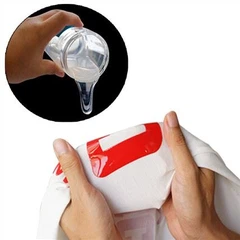


Can transfer film be used on glass? This is a question that many people in the printing and decoration industry often ask. As a transfer film supplier, I'm here to provide you with a comprehensive answer based on our expertise and experience.
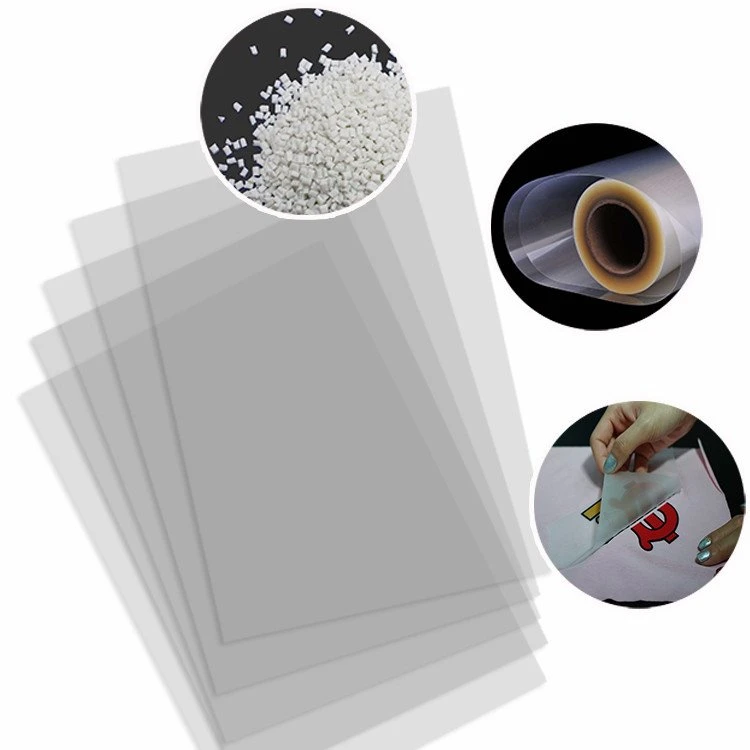
Understanding Transfer Film
Before delving into whether transfer film can be used on glass, let's first understand what transfer film is. Transfer film is a material used to transfer images, patterns, or designs onto various surfaces. There are different types of transfer films available in the market, each with its own unique properties and applications.
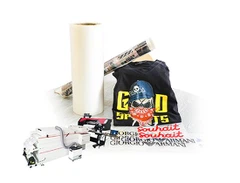
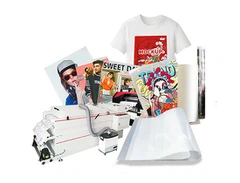
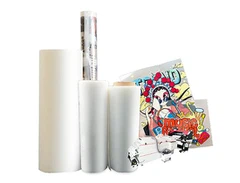
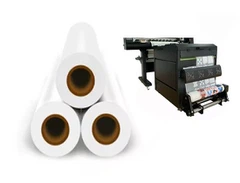
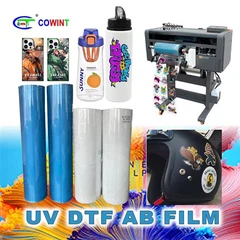
One popular type of transfer film is the 3D Transfer Film. This film is designed to create stunning 3D effects on the transferred surface, adding depth and realism to the design. Another type is the Hot Peel Double Matte DTF Film, which is suitable for direct-to-film printing and offers a double matte finish for a more sophisticated look. The COLD PEEL DOUBLE MATTE FILM is also a great option, especially for applications where a cold peel process is preferred.
Using Transfer Film on Glass
The short answer is yes, transfer film can be used on glass. However, there are several factors to consider to ensure a successful transfer.
Surface Preparation
The first and most crucial step is to prepare the glass surface properly. Glass is a smooth and non-porous surface, which means that any dirt, grease, or fingerprints can prevent the transfer film from adhering correctly. Therefore, it's essential to clean the glass thoroughly using a glass cleaner and a lint-free cloth. After cleaning, make sure the glass is completely dry before applying the transfer film.
Compatibility of the Transfer Film
Not all transfer films are suitable for glass. Some films may not adhere well to the glass surface, or they may not withstand the environmental conditions that glass is often exposed to, such as temperature changes and moisture. When choosing a transfer film for glass, look for films that are specifically designed for non-porous surfaces. Our 3D Transfer Film and Hot Peel Double Matte DTF Film are excellent choices as they have been formulated to adhere well to glass and other smooth surfaces.
Application Process
The application process also plays a vital role in the success of using transfer film on glass. Here are the general steps: 1. Cut the Film: Cut the transfer film to the desired size and shape, leaving a small border around the design. 2. Position the Film: Carefully place the transfer film on the glass surface, making sure it is aligned correctly. You can use a squeegee or a credit card to smooth out any air bubbles and ensure good contact between the film and the glass. 3. Apply Heat or Pressure: Depending on the type of transfer film, you may need to apply heat or pressure to activate the adhesive. For hot peel films like the Hot Peel Double Matte DTF Film, use a heat press or a heat gun to apply heat evenly. For cold peel films such as the COLD PEEL DOUBLE MATTE FILM, you can use a laminator or a roller to apply pressure. 4. Peel the Film: Once the transfer is complete, carefully peel the carrier film from the glass. If you're using a hot peel film, wait for it to cool down slightly before peeling.
Advantages of Using Transfer Film on Glass
There are several advantages to using transfer film on glass: - Versatility: Transfer film allows you to create a wide variety of designs on glass, from simple patterns to complex images. You can customize the designs according to your specific needs and preferences. - Cost-Effective: Compared to other methods of decorating glass, such as screen printing or etching, using transfer film is generally more cost-effective, especially for small-scale projects or prototypes. - Easy to Apply: The application process of transfer film is relatively simple and can be done without the need for specialized equipment or skills. This makes it a great option for DIY enthusiasts and small businesses.
Challenges and Solutions
While using transfer film on glass has many benefits, there are also some challenges that you may encounter: - Adhesion Issues: As mentioned earlier, glass is a smooth and non-porous surface, which can make it difficult for the transfer film to adhere properly. To overcome this issue, make sure to clean the glass surface thoroughly and choose a transfer film that is specifically designed for non-porous surfaces. - Durability: Glass is often exposed to various environmental conditions, such as temperature changes and moisture. This can affect the durability of the transfer film. To ensure long-lasting results, choose a high-quality transfer film that is resistant to these conditions. Our 3D Transfer Film and Hot Peel Double Matte DTF Film are both designed to be durable and can withstand the test of time.

Applications of Transfer Film on Glass
Transfer film on glass has a wide range of applications, including: - Interior Design: You can use transfer film to decorate glass partitions, windows, and mirrors in homes, offices, and commercial spaces. This can add a touch of style and personality to the interior. - Advertising and Signage: Transfer film can be used to create eye-catching advertisements and signage on glass surfaces. This is a great way to promote your business and attract customers. - Art and Crafts: DIY enthusiasts can use transfer film to create unique glass art pieces, such as vases, picture frames, and jewelry.

Conclusion
In conclusion, transfer film can be used on glass, but it requires proper surface preparation, the right type of transfer film, and a correct application process. As a transfer film supplier, we offer a wide range of high-quality transfer films, including the 3D Transfer Film, Hot Peel Double Matte DTF Film, and COLD PEEL DOUBLE MATTE FILM, which are suitable for use on glass and other surfaces.
If you're interested in using transfer film for your glass projects or have any questions about our products, please don't hesitate to contact us for a consultation. We're here to help you achieve the best results with our transfer film solutions.
References
- "Printing on Glass: A Comprehensive Guide" by Printing Industry Association
- "Transfer Film Technology and Applications" by Packaging and Printing Research Institute