











Can Transfer Glue be used for bonding ceramic tiles?
As a supplier of transfer glue, I often receive inquiries from customers about the various applications of our products. One question that has come up frequently is whether transfer glue can be used for bonding ceramic tiles. In this blog post, I will explore this topic in detail, providing scientific insights and practical considerations to help you make an informed decision.


Understanding Transfer Glue
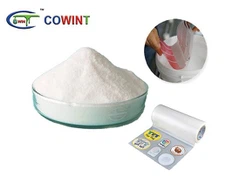
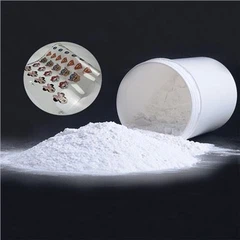
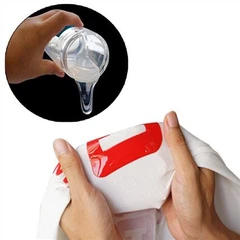
Transfer glue is a specialized adhesive designed primarily for transferring printed designs onto different surfaces. It is commonly used in the textile and printing industries for applications such as direct-to-film (DTF) printing. The glue creates a strong bond between the printed image and the substrate, ensuring that the design adheres firmly and maintains its quality over time.
There are different types of transfer glue available, each with its own unique properties and characteristics. Some transfer glues are formulated for specific substrates, while others offer more versatility. The choice of transfer glue depends on factors such as the type of substrate, the printing method, and the desired durability of the transfer.
Characteristics of Ceramic Tiles
Ceramic tiles are a popular choice for flooring, wall cladding, and other decorative applications due to their durability, aesthetic appeal, and ease of maintenance. They are made from a mixture of clay and other natural materials, which are fired at high temperatures to create a hard, dense surface. Ceramic tiles come in a variety of sizes, shapes, colors, and textures, making them suitable for a wide range of design styles.
One of the key characteristics of ceramic tiles is their smooth, non-porous surface. This makes them resistant to water, stains, and scratches, but it also presents a challenge when it comes to bonding. Unlike porous materials such as wood or fabric, ceramic tiles do not absorb glue easily, which means that a strong adhesive is required to ensure a secure bond.
Can Transfer Glue Bond Ceramic Tiles?
The short answer is that it depends. While transfer glue is designed to create a strong bond between printed designs and substrates, its effectiveness in bonding ceramic tiles is not guaranteed. There are several factors to consider when determining whether transfer glue is suitable for this application.
Adhesive Strength
The adhesive strength of transfer glue is an important consideration when bonding ceramic tiles. Ceramic tiles are heavy and can be subject to significant stress and movement, especially in high-traffic areas. Therefore, the adhesive used to bond them must be strong enough to withstand these forces without failing.
Most transfer glues are formulated to provide a strong bond on flexible substrates such as textiles and plastics. However, their adhesive strength may not be sufficient to bond ceramic tiles, which require a more robust adhesive. In some cases, the bond may be strong enough initially, but it may weaken over time due to factors such as temperature changes, moisture, and mechanical stress.
Compatibility with Ceramic Tiles
Another factor to consider is the compatibility of transfer glue with ceramic tiles. As mentioned earlier, ceramic tiles have a smooth, non-porous surface, which can make it difficult for glue to adhere. Some transfer glues may not be able to form a strong bond with this type of surface, resulting in a weak or unreliable bond.
In addition, ceramic tiles are often treated with a glaze or other surface coating to enhance their appearance and durability. These coatings can affect the adhesion of the glue, making it even more challenging to achieve a strong bond. It is important to test the transfer glue on a small, inconspicuous area of the ceramic tile before applying it to the entire surface to ensure compatibility.
Environmental Conditions
The environmental conditions in which the ceramic tiles will be installed can also affect the performance of the transfer glue. Ceramic tiles are commonly used in areas such as bathrooms, kitchens, and outdoor spaces, where they are exposed to moisture, heat, and other environmental factors. These conditions can cause the glue to degrade over time, leading to a weakening of the bond.
Some transfer glues are designed to be more resistant to moisture and heat than others. If the ceramic tiles will be installed in a high-moisture or high-temperature environment, it is important to choose a transfer glue that is specifically formulated for these conditions.
Alternative Adhesives for Bonding Ceramic Tiles
Given the challenges associated with using transfer glue to bond ceramic tiles, it is often recommended to use alternative adhesives that are specifically designed for this application. Some of the most common adhesives used for bonding ceramic tiles include:
Thinset Mortar
Thinset mortar is a popular choice for bonding ceramic tiles to floors and walls. It is a cement-based adhesive that is mixed with water to form a thick paste. Thinset mortar provides a strong, durable bond and is suitable for use with a variety of ceramic tile types and sizes.
Epoxy Adhesive
Epoxy adhesive is a two-part adhesive that consists of a resin and a hardener. When mixed together, the resin and hardener react to form a strong, rigid bond. Epoxy adhesive is known for its high strength and resistance to moisture, heat, and chemicals, making it a good choice for bonding ceramic tiles in challenging environments.
Mastic Adhesive
Mastic adhesive is a pre-mixed adhesive that is typically used for bonding ceramic tiles to walls. It is a quick-drying adhesive that provides a strong bond, but it may not be as durable as thinset mortar or epoxy adhesive. Mastic adhesive is best suited for small tile installations and low-traffic areas.
Conclusion
In conclusion, while transfer glue may have some potential applications in bonding ceramic tiles, it is generally not recommended as the primary adhesive for this purpose. The smooth, non-porous surface of ceramic tiles, combined with the heavy weight and stress they are subject to, requires a strong, durable adhesive that is specifically designed for this application.
If you are considering using transfer glue for bonding ceramic tiles, it is important to test the glue on a small area first to ensure compatibility and adhesion. However, for most ceramic tile installations, it is recommended to use alternative adhesives such as thinset mortar, epoxy adhesive, or mastic adhesive.
As a supplier of transfer glue, we offer a range of high-quality products that are suitable for a variety of printing and transfer applications. If you have any questions about our transfer glue or other products, please do not hesitate to contact us. We are always happy to help you find the right solution for your needs.
Explore Our Transfer Printing Films
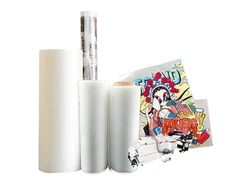
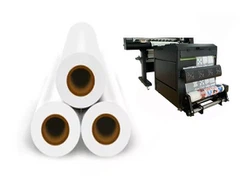
In addition to transfer glue, we also offer a wide range of transfer printing films, including the 60cm*100m PET Materials DTF Transfer Printing Film, COLD PEEL SINGLE MATTE DTF FILM, and Hot Peel Double Matte DTF Film. These films are designed to work seamlessly with our transfer glue to provide high-quality, durable transfers.
If you are interested in learning more about our transfer printing films or would like to discuss your specific requirements, please contact us today. Our team of experts is ready to assist you with your purchase and provide you with the support you need to achieve the best results.
References
- Ceramic Tile Institute of America. (n.d.). Ceramic Tile Installation Handbook. Retrieved from [Website URL]
- Adhesive and Sealant Council. (n.d.). Adhesive Selection Guide. Retrieved from [Website URL]
- Manufacturer's product literature for transfer glue and alternative adhesives.