










Can Transfer Glue be used for small - scale repairs?
In the realm of DIY projects and small - scale repairs, finding the right adhesive is often a crucial step. As a supplier of transfer glue, I've received numerous inquiries about whether transfer glue can be effectively used for small - scale repairs. In this blog, I'll delve into the properties of transfer glue, its potential applications in small - scale repairs, and some considerations when using it.


Understanding Transfer Glue
Transfer glue is a specialized adhesive designed for a variety of transfer - related applications. It typically has unique properties that make it suitable for bonding different materials together in a transfer process. The glue is formulated to provide a strong and durable bond while also allowing for some degree of flexibility, which is important in many transfer operations.
One of the key features of transfer glue is its ability to adhere to a wide range of surfaces, including plastics, metals, fabrics, and paper. This versatility makes it an attractive option for many repair scenarios. For example, it can be used to bond a small piece of plastic back onto a broken plastic item, or to attach a fabric patch to a torn piece of clothing.
Applications in Small - Scale Repairs
1. Craft and DIY Projects
Transfer glue is a popular choice among crafters and DIY enthusiasts. When working on small - scale craft projects such as making jewelry, decorating picture frames, or creating custom greeting cards, transfer glue can be used to attach small embellishments like beads, sequins, or small pieces of paper. Its precise application allows for detailed work, and the strong bond ensures that the embellishments stay in place.
For instance, if you're making a beaded necklace and one of the beads has come loose, transfer glue can quickly and effectively reattach it. The glue dries clear, which means it won't detract from the overall aesthetic of the project.
2. Home Repairs
In the home, transfer glue can be used for a variety of small - scale repairs. If a small part of a wooden furniture piece has chipped off, transfer glue can be used to reattach it. It can also be used to fix a loose handle on a cabinet or a small crack in a plastic container.
Another common use is in repairing small electronic devices. For example, if the plastic casing of a remote control has cracked, transfer glue can be used to hold the pieces together. However, it's important to note that for electronic repairs, you should ensure that the glue is non - conductive to avoid any electrical issues.
3. Clothing and Textile Repairs
Transfer glue can be a handy tool for clothing and textile repairs. If a button has fallen off a shirt or a small patch on a pair of jeans has come loose, transfer glue can be used to reattach them. It can also be used to attach patches or appliques to clothing for a decorative effect.
The glue's flexibility is particularly beneficial in textile repairs, as it allows the fabric to move and stretch without the bond breaking. This is especially important for items that are worn and washed frequently.
Advantages of Using Transfer Glue for Small - Scale Repairs
1. Ease of Use
Transfer glue is generally easy to use. Most transfer glues come in a convenient applicator, such as a tube or a pen - like dispenser, which allows for precise application. This is especially useful for small - scale repairs where you need to apply the glue in a specific area without getting it on other parts of the item.
2. Quick Drying
Many transfer glues dry relatively quickly, which means you can complete your repair in a short amount of time. This is ideal for small - scale repairs where you don't want to wait hours for the glue to dry before using the item again.
3. Strong Bond
Despite its quick - drying nature, transfer glue forms a strong and durable bond. This ensures that the repaired item can withstand normal wear and tear. Whether it's a piece of jewelry that gets bumped around or a piece of furniture that is used regularly, the bond created by transfer glue can hold up.
Considerations When Using Transfer Glue for Small - Scale Repairs
1. Surface Preparation
Proper surface preparation is crucial for a successful repair. The surfaces to be bonded should be clean, dry, and free of any dirt, grease, or debris. This will ensure that the glue can adhere properly and form a strong bond. For example, if you're using transfer glue to repair a piece of plastic, you may need to clean it with a mild detergent and dry it thoroughly before applying the glue.
2. Compatibility
It's important to ensure that the transfer glue is compatible with the materials you're using. Some glues may not bond well with certain plastics, metals, or fabrics. Before using the glue on a large area or a valuable item, it's a good idea to test it on a small, inconspicuous area first.
3. Ventilation
When using transfer glue, it's important to work in a well - ventilated area. Some glues emit fumes that can be harmful if inhaled in large quantities. Open a window or use a fan to ensure proper air circulation.
Related Products and Their Roles
When considering small - scale repairs with transfer glue, it's also worth mentioning some related products that can enhance the repair process.
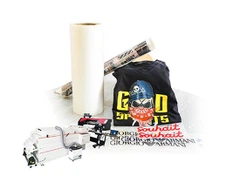
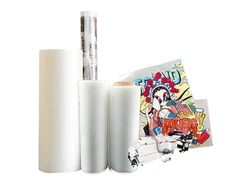
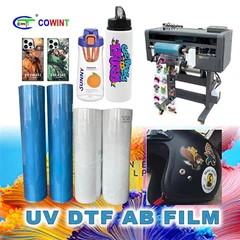
The INSTANT PEEL DOUBLE MATTE DTF FILM can be used in conjunction with transfer glue in some transfer - printing related repairs. This film provides a smooth surface for transfer operations and can be used to transfer designs or images onto various materials.
Heat Transfer is another important concept related to transfer glue. Heat transfer techniques can sometimes be used to activate or enhance the bonding properties of transfer glue, especially in certain industrial or professional repair scenarios.
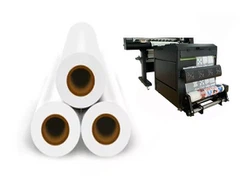
Transfer Film is also useful. It can be used to protect the surface during the transfer process and can be easily removed after the glue has dried, leaving a clean and professional - looking repair.
Conclusion
In conclusion, transfer glue can be an excellent choice for small - scale repairs. Its versatility, ease of use, quick - drying nature, and strong bond make it suitable for a wide range of applications in craft, home, and textile repairs. However, it's important to take into account surface preparation, compatibility, and ventilation when using it.
If you're interested in exploring the potential of transfer glue for your small - scale repair needs, I invite you to contact me for more information and to discuss your specific requirements. Whether you're a DIY enthusiast, a professional crafter, or someone in need of a quick home repair solution, transfer glue may be the answer you're looking for.
References
- "Adhesives Handbook" - A comprehensive guide on different types of adhesives and their applications.
- "Craft and DIY Projects with Adhesives" - A publication that focuses on using adhesives in various craft and DIY scenarios.