










Can Transfer Glue be used for wall transfers?
As a supplier of Transfer Glue, I often receive inquiries about the diverse applications of our product. One question that frequently comes up is whether Transfer Glue can be used for wall transfers. In this blog post, I'll delve into this topic, exploring the possibilities, limitations, and best practices associated with using Transfer Glue for wall transfers.
Understanding Transfer Glue
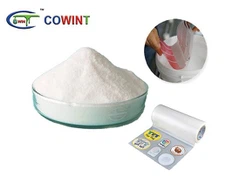
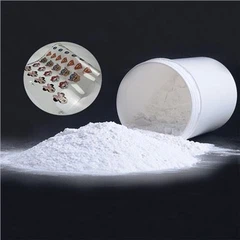
Before we discuss its use on walls, let's first understand what Transfer Glue is. Transfer Glue is a specialized adhesive designed to transfer various materials, such as images, patterns, or letters, from one surface to another. It offers a strong bond while allowing for a relatively easy transfer process. The glue is commonly used in industries like textile printing, signage making, and crafts.
Factors to Consider for Wall Transfers
When considering using Transfer Glue for wall transfers, several factors need to be taken into account:


Wall Surface
The type of wall surface is crucial. Smooth and non - porous surfaces like painted plaster, glass, or some types of plastic panels are more suitable for Transfer Glue. These surfaces provide a better base for the glue to adhere to and ensure a clean transfer. On the other hand, rough, porous, or textured walls, such as brick or stucco, may pose challenges. The glue may not spread evenly, and the transfer may not adhere properly or may be difficult to remove without damaging the wall.
Transfer Material
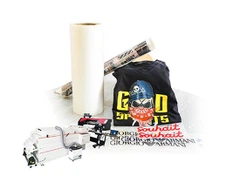
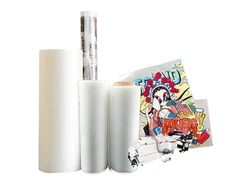
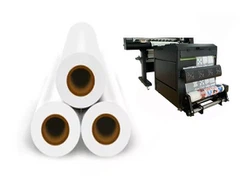
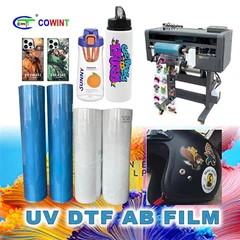
The material you are transferring also matters. Thin, flexible materials like vinyl decals, paper prints, or Digital Transfer Printing Film /PET Roll Film are more likely to work well with Transfer Glue on walls. Thicker or rigid materials may not conform to the wall surface as easily, leading to air bubbles or uneven adhesion.
Permanence
You need to decide whether the wall transfer is intended to be temporary or permanent. Transfer Glue can offer different levels of adhesion. For temporary transfers, a lighter - duty glue may be sufficient, allowing for easy removal without leaving much residue. For permanent transfers, a stronger - bonding glue is required. However, keep in mind that removing a permanent transfer may damage the wall surface.
Advantages of Using Transfer Glue for Wall Transfers
There are several advantages to using Transfer Glue for wall transfers:
Customization
It allows for a high degree of customization. You can create your own designs, print them on suitable materials, and transfer them to the wall. This is great for home decor, creating unique wall art, or branding in commercial spaces.
Ease of Application
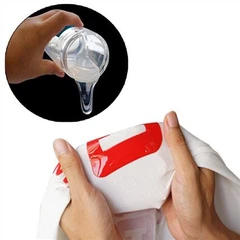
Compared to some other methods of wall decoration, using Transfer Glue is relatively easy. You simply apply the glue to either the transfer material or the wall surface, place the transfer in position, and smooth it out to ensure good contact.
Cost - Effective
Transfer Glue is generally an affordable option for wall decoration. You don't need to hire professional painters or purchase expensive pre - made wall murals. You can create your own transfers at a fraction of the cost.
Potential Challenges
However, there are also some potential challenges:
Residue
If the glue is not removed properly, it can leave a sticky residue on the wall. This can be difficult to clean, especially on certain wall finishes.
Air Bubbles
During the transfer process, air bubbles may get trapped between the transfer material and the wall. These bubbles can affect the appearance of the transfer and may require careful smoothing to remove.
Wall Damage
Removing the transfer may cause damage to the wall, especially if the glue has a strong bond. This is a particular concern for painted walls, where the paint may peel off along with the transfer.
Best Practices for Using Transfer Glue on Walls
To ensure a successful wall transfer using Transfer Glue, follow these best practices:
Prepare the Wall
Clean the wall surface thoroughly to remove any dust, dirt, or grease. This will help the glue adhere better. You can use a mild detergent and water, followed by a dry cloth to wipe the wall dry.
Test the Glue
Before applying the glue to the entire transfer, test it on a small, inconspicuous area of the wall and the transfer material. This will allow you to check for any adverse reactions, such as discoloration or poor adhesion.
Apply the Glue Evenly
Use a brush or a roller to apply the Transfer Glue evenly to either the transfer material or the wall surface. Make sure to cover the entire area to be transferred.
Smooth Out the Transfer
After placing the transfer on the wall, use a squeegee or a smooth - surfaced object to smooth out the transfer from the center to the edges. This will help remove any air bubbles and ensure good contact between the transfer and the wall.
Let it Dry
Allow the glue to dry according to the manufacturer's instructions. This may take several hours, depending on the type of glue and the environmental conditions.
Other Related Transfer Products
In addition to Transfer Glue, there are other transfer products that can be used in conjunction with it for wall transfers. For example, Heat Transfer Film can be used to create more durable and high - quality transfers. The film can be printed with your desired design and then transferred to the wall using heat and pressure in combination with Transfer Glue. Another option is INSTANT PEEL SINGLE MATTE DTF OF FILM, which offers a quick and easy transfer process.
Conclusion
In conclusion, Transfer Glue can be used for wall transfers, but it comes with its own set of considerations. With the right wall surface, transfer material, and application techniques, you can achieve beautiful and customized wall decorations. However, it's important to be aware of the potential challenges and follow best practices to ensure a successful transfer.
If you're interested in exploring the use of Transfer Glue or our other transfer products for your wall transfer projects, I encourage you to contact us for more information and to discuss your specific requirements. We're here to help you find the best solutions for your needs.
References
- General knowledge about transfer adhesives and wall decoration techniques.
- Product specifications and usage guidelines provided by the Transfer Glue manufacturer.