










Transfer powder, a key component in the transfer printing industry, has gained significant popularity for its versatility and effectiveness in a wide range of applications. As a leading supplier of transfer powder, I often receive inquiries about its potential uses beyond the traditional scope. One such question that has piqued the interest of many is whether transfer powder can be used for highlighting. In this blog post, I will delve into this topic, exploring the science behind transfer powder, its properties, and the feasibility of using it for highlighting purposes.
Understanding Transfer Powder
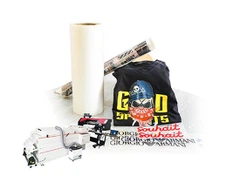
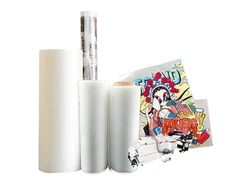
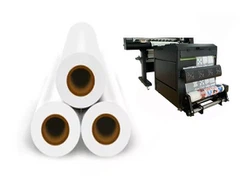
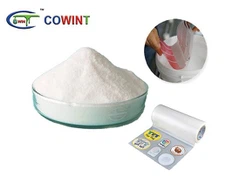
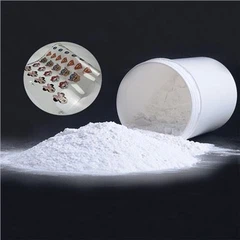
Transfer powder is a fine, granular substance that is used in conjunction with transfer films and papers to transfer designs onto various substrates. It is typically made from a combination of polymers, resins, and pigments, which are formulated to adhere to the transfer medium and release onto the substrate during the transfer process. The transfer powder is applied to the transfer film or paper using a powder shaker or a powder coating machine, and then heated to a specific temperature to activate the transfer process.
There are several types of transfer powder available on the market, each with its own unique properties and characteristics. Some transfer powders are designed for use with specific types of transfer films or papers, while others are more versatile and can be used with a variety of substrates. The choice of transfer powder depends on several factors, including the type of substrate, the desired finish, and the transfer method.
Properties of Transfer Powder
The properties of transfer powder play a crucial role in determining its suitability for highlighting applications. Some of the key properties of transfer powder include:
- Adhesion: Transfer powder must have good adhesion to the transfer medium and the substrate to ensure a successful transfer. This is particularly important for highlighting applications, where the transfer powder needs to adhere firmly to the substrate to create a long-lasting and durable highlight.
- Opacity: The opacity of transfer powder refers to its ability to cover the underlying substrate. For highlighting applications, a high-opacity transfer powder is preferred to create a bold and vibrant highlight.
- Colorfastness: Colorfastness is the ability of transfer powder to retain its color over time and under various environmental conditions. This is important for highlighting applications, where the highlight needs to maintain its color and appearance for an extended period.
- Flexibility: Transfer powder should be flexible enough to conform to the shape of the substrate without cracking or peeling. This is particularly important for highlighting applications on curved or irregular surfaces.
- Heat resistance: Transfer powder must be able to withstand the heat and pressure of the transfer process without melting or degrading. This is important for ensuring a successful transfer and a high-quality finish.
Can Transfer Powder be Used for Highlighting?
Based on the properties of transfer powder, it is possible to use it for highlighting applications. However, there are several factors that need to be considered before using transfer powder for highlighting.
- Substrate Compatibility: The first factor to consider is the compatibility of the transfer powder with the substrate. Transfer powder is typically designed for use with specific types of substrates, such as textiles, plastics, and metals. Before using transfer powder for highlighting, it is important to ensure that the transfer powder is compatible with the substrate and that it will adhere properly to the surface.
- Transfer Method: The transfer method used to apply the transfer powder also plays a crucial role in determining its suitability for highlighting applications. There are several transfer methods available, including heat transfer, screen printing, and digital printing. The choice of transfer method depends on several factors, including the type of substrate, the desired finish, and the quantity of highlights required.
- Color and Opacity: The color and opacity of transfer powder are important considerations for highlighting applications. For a bold and vibrant highlight, a high-opacity transfer powder in a bright color is preferred. However, it is important to ensure that the color of the transfer powder matches the color of the substrate and the overall design.
- Durability: The durability of transfer powder is another important consideration for highlighting applications. The highlight needs to be long-lasting and resistant to wear, tear, and fading. This is particularly important for applications where the highlight will be exposed to harsh environmental conditions or frequent handling.
Advantages of Using Transfer Powder for Highlighting
There are several advantages to using transfer powder for highlighting applications.
- Versatility: Transfer powder can be used on a wide range of substrates, including textiles, plastics, metals, and ceramics. This makes it a versatile option for highlighting applications in various industries, such as fashion, automotive, and electronics.
- Customization: Transfer powder can be customized to meet the specific requirements of the application. It is available in a wide range of colors, finishes, and textures, allowing for endless possibilities in terms of design and creativity.
- Cost-Effective: Transfer powder is a cost-effective option for highlighting applications, especially for large-scale production. It requires minimal equipment and can be applied quickly and easily, reducing labor costs and production time.
- High-Quality Finish: Transfer powder can create a high-quality and professional-looking highlight that is durable and long-lasting. The transfer process ensures a precise and accurate transfer of the design, resulting in a sharp and vibrant highlight.
Applications of Transfer Powder for Highlighting
Transfer powder can be used for a variety of highlighting applications in different industries. Some of the common applications of transfer powder for highlighting include:


- Fashion: Transfer powder can be used to create highlights on clothing, accessories, and footwear. It can be used to add a touch of glamour and style to a garment or to create a unique and eye-catching design.
- Automotive: Transfer powder can be used to highlight various parts of a vehicle, such as the dashboard, steering wheel, and door handles. It can be used to create a customized and personalized look for the vehicle.
- Electronics: Transfer powder can be used to highlight the buttons, logos, and other features of electronic devices. It can be used to create a sleek and modern look for the device.
- Home Decor: Transfer powder can be used to highlight various elements of home decor, such as furniture, wall art, and curtains. It can be used to add a touch of elegance and sophistication to the home.
How to Use Transfer Powder for Highlighting
Using transfer powder for highlighting requires a few simple steps. Here is a general guide on how to use transfer powder for highlighting:
- Prepare the Substrate: Clean the substrate thoroughly to remove any dirt, dust, or grease. This will ensure a good adhesion of the transfer powder to the substrate.
- Choose the Transfer Powder: Select a transfer powder that is compatible with the substrate and the desired finish. Consider the color, opacity, and durability of the transfer powder.
- Apply the Transfer Powder: Use a powder shaker or a powder coating machine to apply the transfer powder to the transfer medium. Make sure to apply an even and consistent layer of transfer powder.
- Transfer the Design: Place the transfer medium with the transfer powder on the substrate and apply heat and pressure using a heat press or a transfer machine. Follow the manufacturer's instructions for the recommended temperature, time, and pressure settings.
- Peel the Transfer Medium: Once the transfer process is complete, carefully peel the transfer medium from the substrate. The transfer powder should have transferred onto the substrate, creating a highlight.
- Finish the Highlight: Depending on the desired finish, you may need to apply a clear coat or a protective layer to the highlight to enhance its durability and appearance.
Conclusion
In conclusion, transfer powder can be used for highlighting applications, provided that the right transfer powder is chosen and the transfer process is carried out correctly. The properties of transfer powder, such as adhesion, opacity, colorfastness, flexibility, and heat resistance, make it a suitable option for creating bold and vibrant highlights on a variety of substrates. Transfer powder offers several advantages for highlighting applications, including versatility, customization, cost-effectiveness, and a high-quality finish.
If you are interested in using transfer powder for highlighting applications, I encourage you to contact me to discuss your specific requirements. As a leading supplier of transfer powder, I can provide you with the right transfer powder and the technical support you need to achieve the best results. Whether you are in the fashion, automotive, electronics, or home decor industry, I can help you create unique and eye-catching highlights that will enhance the appearance of your products.
References
- "Transfer Printing: Principles and Practice" by John Wiley & Sons
- "The Complete Guide to Heat Transfer Printing" by Heat Transfer Printing Association
- "Transfer Powder: Properties and Applications" by Transfer Powder Manufacturers Association