










Transfer printing has revolutionized the textile industry, offering a versatile and efficient method for applying intricate designs to fabrics. As a leading supplier of transfer print ink, I often encounter inquiries about the feasibility of using our products on dark - colored fabrics. In this blog post, I will delve into the science behind transfer print ink and explore whether it can be effectively used for printing on dark - colored textiles.
Understanding Transfer Print Ink
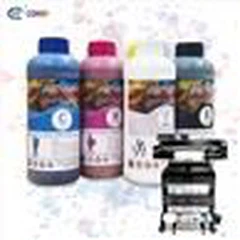
Transfer print ink is a specialized type of ink formulated to transfer designs from a carrier medium, such as paper or film, onto a fabric surface. The transfer process typically involves heat and pressure, which activate the ink and allow it to bond with the fabric fibers. There are different types of transfer print inks, including sublimation inks, pigment inks, and DTF (Direct - to - Film) inks, each with its own unique properties and applications.
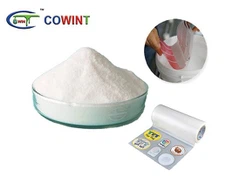
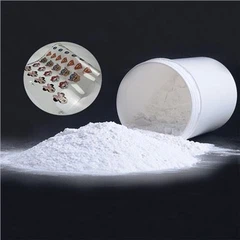
Sublimation inks work by converting from a solid to a gas state when heated, allowing them to penetrate the fabric fibers and become a permanent part of the material. Pigment inks, on the other hand, sit on top of the fabric surface and are held in place by a binder. DTF inks are a relatively new type of transfer ink that involve printing the design onto a special film, applying a powder adhesive, and then transferring the design to the fabric using heat and pressure.
Challenges of Printing on Dark - Colored Fabrics
Printing on dark - colored fabrics presents several challenges compared to printing on light - colored ones. The most significant challenge is the visibility of the printed design. Dark colors absorb light, which can make it difficult for lighter - colored inks to stand out. When using traditional transfer print inks, especially those with low opacity, the design may appear dull or washed out on a dark background.
Another challenge is the color accuracy. Dark fabrics can affect the way colors are perceived, and achieving the desired color match can be more difficult. The undertones of the dark fabric can also interact with the ink colors, resulting in unexpected color shifts.
Using Transfer Print Ink on Dark - Colored Fabrics
Despite the challenges, it is indeed possible to use transfer print ink for printing on dark - colored fabrics, especially with the right type of ink and printing techniques.
DTF Inks
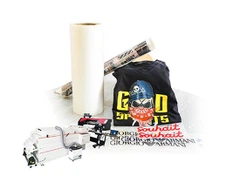
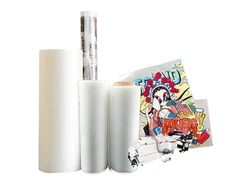
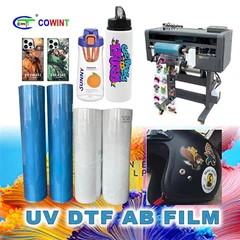
DTF inks have emerged as a popular choice for printing on dark - colored fabrics. These inks are highly opaque and can produce vibrant, long - lasting designs on a variety of fabric colors, including dark ones. The DTF process involves printing the design onto a Hot Peel Double Matte DTF Film or COLD PEEL SINGLE MATTE DTF FILM, applying a powder adhesive, and then transferring the design to the fabric using a heat press. The powder adhesive helps the ink adhere to the fabric, and the high - opacity ink ensures that the design stands out even on a dark background.
The advantage of DTF inks is that they can be used on a wide range of fabrics, including cotton, polyester, and blends. They also offer excellent washability and durability, making them suitable for both fashion and industrial applications.
Pigment Inks
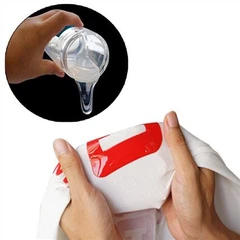
Pigment inks can also be used for printing on dark - colored fabrics. Pigment inks are available in a wide range of colors, including bright and opaque ones that can be used to create eye - catching designs on dark backgrounds. To improve the visibility of the design, it is important to use a white underbase. A white underbase is a layer of white pigment ink that is printed on the fabric before the colored design. The white underbase provides a light - colored background for the design, making it more visible and enhancing the color vibrancy.
However, using a white underbase requires additional steps in the printing process, which can increase the production time and cost. It also requires careful calibration of the printing equipment to ensure that the white underbase is applied evenly and that the colored design is printed accurately on top of it.
Choosing the Right Carrier Medium
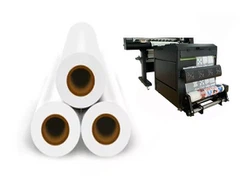
The choice of carrier medium is also crucial when printing on dark - colored fabrics. For DTF printing, using a high - quality film such as the 60cm*100m PET Materials DTF Transfer Printing Film can make a significant difference in the final print quality. These films are designed to release the ink smoothly during the transfer process, ensuring a clean and sharp print.
The surface properties of the film, such as its smoothness and ink absorption capacity, can affect the transfer of the ink to the fabric. A film with good ink retention and release properties will help to transfer the ink evenly and prevent smudging or bleeding of the design.


Printing Techniques for Dark - Colored Fabrics
In addition to choosing the right ink and carrier medium, using the correct printing techniques is essential for achieving high - quality prints on dark - colored fabrics.
Heat and Pressure Settings
When using a heat press for transfer printing, it is important to set the correct temperature, pressure, and time. Different types of inks and fabrics require different heat and pressure settings. For example, DTF inks typically require a higher temperature and pressure compared to sublimation inks. Incorrect heat and pressure settings can result in poor ink transfer, uneven prints, or damage to the fabric.
Pre - Treatment of Fabrics
Pre - treating the fabric can also improve the print quality on dark - colored fabrics. Pre - treatment involves applying a special solution to the fabric before printing to improve its ink receptivity and adhesion. This can help to ensure that the ink bonds better with the fabric fibers and that the design is more durable.
Quality Control and Testing
Before starting a large - scale production run, it is important to conduct thorough testing on sample fabrics. This will help to identify any potential issues with the ink, carrier medium, or printing techniques and allow for adjustments to be made. Quality control measures should be in place throughout the printing process to ensure that the final prints meet the desired standards.
Testing should include evaluating the color accuracy, print sharpness, washability, and durability of the prints. By conducting regular quality control checks, you can ensure that your customers receive high - quality products that meet their expectations.
Conclusion
In conclusion, transfer print ink can be effectively used for printing on dark - colored fabrics, provided that the right type of ink, carrier medium, and printing techniques are used. DTF inks and pigment inks with white underbases are particularly suitable for this application, as they offer high opacity and vibrant colors. By choosing the appropriate carrier medium, such as the 60cm*100m PET Materials DTF Transfer Printing Film, Hot Peel Double Matte DTF Film, or COLD PEEL SINGLE MATTE DTF FILM, and following the correct printing techniques, you can achieve high - quality, long - lasting prints on dark - colored textiles.
If you are interested in exploring the possibilities of using transfer print ink for your dark - colored fabric printing needs, I encourage you to reach out to us. We have a team of experts who can provide you with detailed information, samples, and technical support. Contact us today to discuss your requirements and start a fruitful business partnership.
References
- Textile Printing Technology Handbook. A comprehensive guide to textile printing processes and materials.
- Journal of Textile Research. Research articles on the latest developments in textile printing inks and techniques.
- Manufacturer's guidelines for transfer print inks and carrier media.