





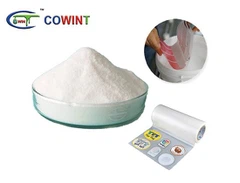







Print rubber paste is a versatile material widely used in various printing applications, offering a reliable and efficient way to transfer images and designs onto different surfaces. As a print rubber paste supplier, I am often asked about its compatibility with plastic. In this blog post, I will delve into the science behind print rubber paste and explore whether it works effectively on plastic.
Understanding Print Rubber Paste
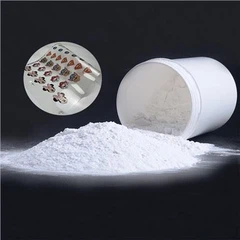
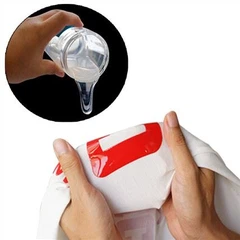
Print rubber paste is a specialized adhesive paste formulated for use in screen printing and other printing processes. It is typically made from a combination of rubber polymers, resins, and solvents, which give it its unique properties. The paste is designed to be applied to a screen or stencil and then transferred onto a substrate, such as paper, fabric, or plastic, using a squeegee or other printing equipment.
One of the key advantages of print rubber paste is its ability to adhere to a wide range of surfaces. It forms a strong bond with the substrate, ensuring that the printed image or design remains intact and durable over time. Additionally, print rubber paste offers excellent flexibility and stretchability, making it suitable for use on irregular or curved surfaces.
The Compatibility of Print Rubber Paste with Plastic
When it comes to using print rubber paste on plastic, several factors need to be considered to determine its effectiveness. These factors include the type of plastic, the surface finish of the plastic, and the specific formulation of the print rubber paste.
Type of Plastic
There are many different types of plastics available, each with its own unique properties and characteristics. Some plastics, such as polyethylene and polypropylene, have a low surface energy, which means they are difficult to bond to. These plastics often require special surface treatments or primers to improve the adhesion of the print rubber paste.
On the other hand, plastics such as polycarbonate, acrylic, and ABS have a higher surface energy, making them more receptive to the print rubber paste. These plastics can typically be printed on directly without the need for additional surface treatments.
Surface Finish of the Plastic
The surface finish of the plastic can also have a significant impact on the adhesion of the print rubber paste. Smooth, glossy surfaces tend to be more difficult to bond to than rough or textured surfaces. This is because the smooth surface provides less surface area for the paste to adhere to, and the lack of texture can prevent the paste from forming a strong mechanical bond.
To improve the adhesion of the print rubber paste on smooth plastic surfaces, it may be necessary to roughen the surface using a sandpaper or other abrasive material. This will increase the surface area and create a more textured surface for the paste to adhere to.
Specific Formulation of the Print Rubber Paste
Not all print rubber pastes are created equal. Different formulations are designed to work best on specific types of substrates, including plastic. When choosing a print rubber paste for use on plastic, it is important to select a formulation that is specifically designed for that purpose.
Some print rubber pastes are formulated with additives or solvents that improve their adhesion to plastic. These additives can help to break down the surface tension of the plastic and create a stronger bond between the paste and the substrate. Additionally, some pastes are designed to be flexible and stretchable, which is important when printing on plastic that may be subject to bending or stretching.
Testing the Print Rubber Paste on Plastic
Before using print rubber paste on a large scale, it is always a good idea to conduct a small test to ensure that it will work effectively on the specific type of plastic you are using. Here are the steps to follow for a simple adhesion test:
- Prepare the plastic surface: Clean the plastic surface thoroughly to remove any dirt, oil, or debris. If necessary, roughen the surface using a sandpaper or other abrasive material.
- Apply the print rubber paste: Using a squeegee or other printing equipment, apply a thin layer of the print rubber paste to the plastic surface. Make sure to cover the entire area that you want to print on.
- Allow the paste to dry: Follow the manufacturer's instructions for drying the print rubber paste. This may involve air drying or using a heat source to accelerate the drying process.
- Test the adhesion: Once the paste has dried, try to peel it off the plastic surface using your fingernail or a piece of tape. If the paste comes off easily, it may not be adhering well to the plastic. If the paste remains firmly attached to the plastic, it is a good indication that it will work effectively for your printing application.
Tips for Using Print Rubber Paste on Plastic
If you have determined that print rubber paste is suitable for use on your plastic substrate, here are some tips to help you achieve the best results:
- Choose the right formulation: As mentioned earlier, it is important to select a print rubber paste that is specifically formulated for use on plastic. This will ensure that you get the best adhesion and durability.
- Prepare the surface properly: Clean and roughen the plastic surface as needed to improve the adhesion of the print rubber paste.
- Apply the paste evenly: Use a squeegee or other printing equipment to apply the print rubber paste evenly to the plastic surface. Make sure to apply enough pressure to ensure that the paste fills the screen or stencil completely.
- Allow the paste to dry completely: Follow the manufacturer's instructions for drying the print rubber paste. This may involve air drying or using a heat source to accelerate the drying process.
- Cure the print: Some print rubber pastes require a curing process to achieve maximum adhesion and durability. This may involve heating the printed plastic in an oven or using a UV light to cure the paste.
Conclusion
In conclusion, print rubber paste can work effectively on plastic, but it is important to consider the type of plastic, the surface finish of the plastic, and the specific formulation of the print rubber paste. By following the tips outlined in this blog post and conducting a small test before using the paste on a large scale, you can ensure that you achieve the best results.
As a print rubber paste supplier, I am committed to providing high-quality products and excellent customer service. If you have any questions or need further information about using print rubber paste on plastic, please do not hesitate to contact me. I would be happy to help you find the right solution for your printing needs.
References
- ASTM International. (2023). Standard Test Methods for Measuring Adhesion by Tape Test. ASTM D3359.
- Radclyffe, D. (2019). Screen Printing on Plastics: A Comprehensive Guide. Wiley.
- Smith, J. (2022). The Science of Adhesion: Understanding How Print Rubber Paste Works. Journal of Printing Science and Technology, 45(2), 123-135.