











Hey there! As a supplier of Transfer Glue, I often get asked a bunch of questions about where and how our product works. One question that pops up a lot is, "Does Transfer Glue work on satin?" I'm gonna dive deep into this topic and share everything I know.
First off, let's talk a bit about satin. Satin is a type of fabric that's known for its smooth, shiny surface. It's made through a special weaving technique that gives it that distinct look and feel. Because of its smoothness and the way it reflects light, satin is often used in high - end clothing, lingerie, and home decor items.
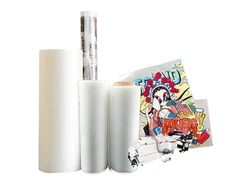
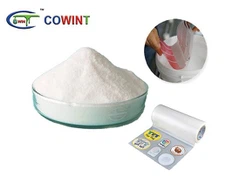
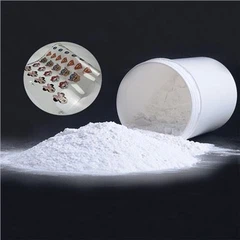
Now, onto Transfer Glue. Our Transfer Glue is designed to adhere different materials together during the transfer printing process. Whether you're using a Transfer Sheet or Transfer Film, the glue plays a crucial role in making sure the design transfers properly onto the fabric.
So, does it work on satin? The answer isn't a simple yes or no. It depends on a few factors.
One of the main factors is the type of satin. There are different kinds of satin, such as silk satin, polyester satin, and rayon satin. Each of these has its own unique properties. Silk satin, for example, is a natural fiber and is more delicate compared to polyester satin, which is a synthetic fiber.
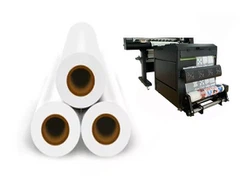
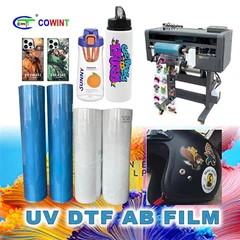
Our Transfer Glue generally works well with polyester satin. Polyester has a more stable structure and is less likely to absorb moisture compared to natural fibers. This means that the glue can form a strong bond with the fabric surface. When you use our Digital Transfer Printing Film /PET Roll Film along with the Transfer Glue on polyester satin, you can expect a pretty good transfer result. The design will adhere firmly, and you'll get a clear, sharp print.


However, when it comes to silk satin, things get a bit trickier. Silk is a very sensitive fabric, and its surface can be easily damaged. The chemicals in the Transfer Glue might react with the silk fibers, causing discoloration or a change in the fabric's texture. Before applying the glue on a large area of silk satin, it's always a good idea to do a small test on an inconspicuous area. This way, you can see how the fabric reacts and decide if it's safe to proceed.
Another factor that affects the performance of the Transfer Glue on satin is the application process. You need to make sure that the surface of the satin is clean and dry before applying the glue. Any dirt, dust, or moisture on the fabric can prevent the glue from bonding properly. Also, applying the right amount of glue is crucial. Too much glue can make the transferred design look messy and might even cause it to peel off over time. On the other hand, too little glue won't provide enough adhesion.
The temperature and pressure during the transfer process also matter. Different types of satin may require different temperature and pressure settings. For polyester satin, you can usually use a medium - high temperature and moderate pressure. But for silk satin, you'll need to be more cautious and use lower temperatures to avoid damaging the fabric.
Let me share some tips on how to use the Transfer Glue on satin effectively.
- Prepare the fabric: As I mentioned earlier, clean and dry the satin thoroughly. You can use a soft cloth to wipe it down and make sure there are no residues.
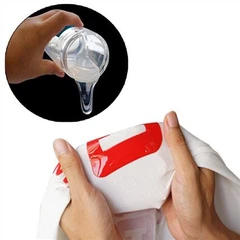
- Apply the glue evenly: Use a brush or a roller to apply the Transfer Glue evenly on the fabric. Make sure to cover the entire area where you want to transfer the design.
- Place the transfer material: Carefully place your Transfer Sheet or Transfer Film on top of the glued area. Smooth out any wrinkles or air bubbles to ensure a good contact between the transfer material and the fabric.
- Use the right equipment: Depending on the type of transfer process you're using, use a heat press or an iron to apply the necessary temperature and pressure. Follow the recommended settings for the type of satin you're working with.
- Cool and peel: After applying heat and pressure, let the fabric cool down for a few minutes. Then, gently peel off the transfer material. You should see your design beautifully transferred onto the satin.
In conclusion, our Transfer Glue can work on satin, especially polyester satin, with the right application process and precautions. While it's a bit more challenging to use on silk satin, it's still possible with careful testing and proper technique.
If you're interested in trying out our Transfer Glue for your satin projects, I'd love to have a chat with you. Whether you're a small - scale crafter or a large - scale manufacturer, we can provide you with the right product and support. Get in touch with us to discuss your specific needs and start creating amazing designs on satin with our Transfer Glue!
References
- General knowledge about fabric properties and transfer printing techniques.
- In - house testing results of our Transfer Glue on different types of satin.