










Aging resistance is a critical factor that significantly influences the long - term performance of hot melt adhesives. As a hot melt adhesive supplier, understanding this relationship is essential for providing high - quality products to our customers. In this blog, we will explore how aging resistance impacts the long - term performance of hot melt adhesives, and why it matters in various applications.
Understanding Aging Resistance in Hot Melt Adhesives
Aging resistance refers to the ability of a hot melt adhesive to maintain its physical and chemical properties over time under different environmental conditions. These conditions can include temperature fluctuations, humidity, exposure to sunlight, and contact with chemicals. When a hot melt adhesive has good aging resistance, it can withstand these factors without significant degradation, ensuring that it continues to perform its bonding function effectively.
Physical Changes During Aging
Over time, hot melt adhesives can undergo physical changes. For example, they may become brittle due to the loss of plasticizers or the oxidation of polymer chains. This brittleness can lead to a reduction in the adhesive's flexibility and impact resistance. A brittle adhesive is more likely to crack or break under stress, which can compromise the integrity of the bond.
In addition, the viscosity of the hot melt adhesive may change during aging. An increase in viscosity can make the adhesive more difficult to apply, while a decrease in viscosity may result in poor wetting and bonding performance. These physical changes can have a direct impact on the long - term performance of the adhesive in real - world applications.
Chemical Changes During Aging
Chemical changes also play a crucial role in the aging process of hot melt adhesives. Oxidation is one of the most common chemical reactions that occur during aging. When the adhesive is exposed to oxygen, the polymer chains in the adhesive can break down, leading to a loss of strength and adhesion. UV radiation can also cause chemical degradation of the adhesive. The high - energy photons in sunlight can break the chemical bonds in the adhesive, resulting in a decrease in its performance.
Hydrolysis is another chemical reaction that can affect hot melt adhesives, especially those that are exposed to high humidity or water. Hydrolysis can break the ester or amide bonds in some types of adhesives, leading to a loss of cohesion and adhesion.
Impact on Long - Term Performance
Bond Strength
One of the most important aspects of long - term performance is bond strength. Aging resistance directly affects the ability of the hot melt adhesive to maintain its bond strength over time. A hot melt adhesive with poor aging resistance may experience a significant reduction in bond strength due to physical and chemical changes. For example, if the adhesive becomes brittle, it may not be able to withstand the stresses applied to the bonded joint, leading to bond failure.
In applications where the bonded parts are subjected to continuous stress, such as in automotive or aerospace industries, maintaining bond strength is crucial. A loss of bond strength can lead to safety issues and costly repairs. Therefore, choosing a hot melt adhesive with high aging resistance is essential for ensuring the long - term reliability of the bonded components.
Durability
Durability is closely related to aging resistance. A durable hot melt adhesive can withstand the rigors of its intended application over an extended period. For example, in outdoor applications, the adhesive needs to resist the effects of weathering, including UV radiation, temperature changes, and moisture. If the adhesive has poor aging resistance, it may deteriorate quickly, leading to a shorter service life of the bonded product.
In the packaging industry, durability is also a key consideration. Hot melt adhesives used in packaging need to maintain their integrity during storage and transportation. They should be able to withstand changes in temperature and humidity without losing their bonding properties. A durable adhesive ensures that the packaging remains intact, protecting the contents inside.
Compatibility with Substrates
Aging resistance can also impact the compatibility of the hot melt adhesive with the substrates it is bonding. Over time, changes in the adhesive's properties can affect its ability to wet and adhere to the substrate. For example, if the adhesive becomes more viscous during aging, it may not spread evenly on the substrate, resulting in poor adhesion.
In addition, chemical changes in the adhesive can cause it to react with the substrate. This can lead to discoloration, corrosion, or other forms of damage to the substrate. Maintaining good compatibility with substrates is essential for ensuring the long - term performance of the bonded joint.
Applications and the Importance of Aging Resistance
Transfer Print Chemical
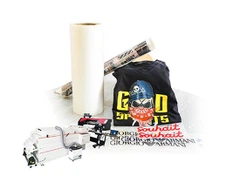
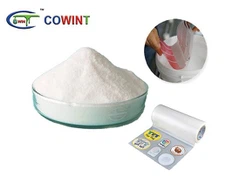
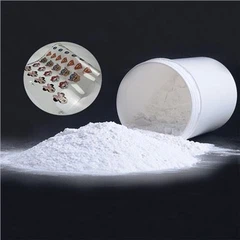
In the field of Transfer Print Chemical, hot melt adhesives are used to bond transfer print materials to various substrates. The aging resistance of the adhesive is crucial in this application. The transfer print process often involves exposure to heat, pressure, and chemicals. A hot melt adhesive with good aging resistance can withstand these conditions without losing its bonding properties, ensuring a high - quality transfer print.
COLD PEEL DOUBLE MATTE FILM
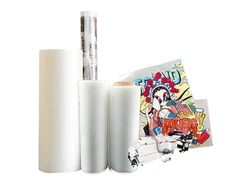
When it comes to COLD PEEL DOUBLE MATTE FILM, the long - term performance of the hot melt adhesive is essential. The film is often used in decorative applications, where the appearance and durability of the bond are important. A hot melt adhesive with poor aging resistance may cause the film to peel off or become discolored over time, affecting the overall aesthetic of the product.
Overlay Decoration Film
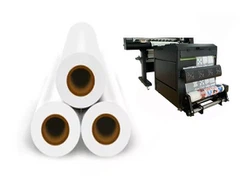
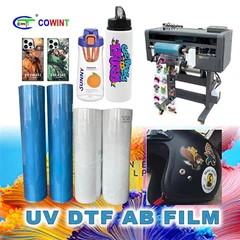
For Overlay Decoration Film, aging resistance is also a key factor. The overlay film is typically applied to surfaces to enhance their appearance and protection. The hot melt adhesive used to bond the overlay film needs to maintain its performance over a long period. It should resist the effects of wear, tear, and environmental factors to ensure that the overlay film remains in place and looks good.
Choosing the Right Hot Melt Adhesive for Aging Resistance
As a hot melt adhesive supplier, we offer a range of products with different levels of aging resistance to meet the diverse needs of our customers. When choosing a hot melt adhesive, several factors should be considered.
Application Requirements
The first step is to understand the specific requirements of the application. Consider the environmental conditions the adhesive will be exposed to, such as temperature, humidity, and UV radiation. Also, think about the type of substrate the adhesive will be bonding and the amount of stress the bonded joint will experience. For example, if the application is outdoors, a hot melt adhesive with high UV and weather resistance is required.
Testing and Certification
It is important to choose a hot melt adhesive that has been tested for aging resistance. Look for products that have undergone accelerated aging tests, such as exposure to high - temperature and high - humidity conditions for a certain period. These tests can provide an indication of how the adhesive will perform over a long time. In addition, consider adhesives that have relevant certifications, such as ISO standards, which ensure that the product meets certain quality and performance requirements.
Supplier Expertise
Working with a reliable supplier is crucial. A knowledgeable supplier can provide valuable advice on choosing the right hot melt adhesive for your application. They can also offer technical support and assistance in case of any issues. As a hot melt adhesive supplier, we have extensive experience in the industry and can help you select the most suitable adhesive based on your specific needs.


Conclusion
In conclusion, aging resistance has a profound impact on the long - term performance of hot melt adhesives. It affects bond strength, durability, and compatibility with substrates, all of which are essential for the success of various applications. Whether it is in transfer print chemical, cold peel double matte film, or overlay decoration film, choosing a hot melt adhesive with high aging resistance is crucial.
As a hot melt adhesive supplier, we are committed to providing our customers with high - quality products that offer excellent aging resistance. If you are in need of hot melt adhesives for your application, we invite you to contact us for a detailed discussion. Our team of experts will work with you to understand your requirements and recommend the best solution for your needs.
References
- "Handbook of Adhesives and Sealants" by Andrew Pizzi and K. L. Mittal
- "Adhesion Science and Engineering" edited by K. L. Mittal
- Research papers on hot melt adhesive aging published in international journals such as "Journal of Adhesion Science and Technology"