













Hey there! I'm a supplier of hot melt adhesive, and today I wanna talk about how humidity can affect the performance of hot melt adhesive. It's a topic that's super important in our industry, and understanding it can help you get the most out of our products.
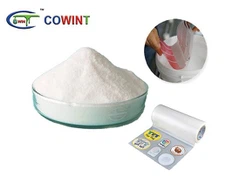
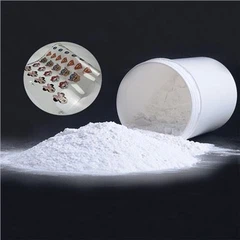
First off, let's quickly go over what hot melt adhesive is. Hot melt adhesive is a type of adhesive that's solid at room temperature. When you heat it up, it turns into a liquid that can be easily applied to surfaces. Once it cools down, it solidifies again, creating a strong bond. It's used in a wide range of applications, from packaging to woodworking, and even in the textile industry for Heat Transfer.
Now, let's dive into how humidity comes into play. Humidity refers to the amount of water vapor in the air. It can have a significant impact on the performance of hot melt adhesive in several ways.
1. Bonding Strength
One of the most crucial aspects of hot melt adhesive is its bonding strength. High humidity levels can reduce the bonding strength of the adhesive. When the air is humid, the water vapor can interact with the adhesive as it cools and solidifies. This can prevent the adhesive from forming a proper bond with the surfaces it's supposed to join.
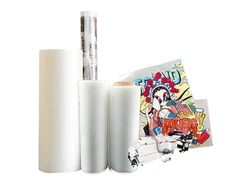
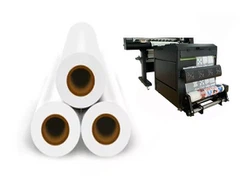
For example, in a packaging application, if the humidity is too high when the hot melt adhesive is applied to seal a box, the bond may not be strong enough. Over time, the box could come apart, leading to damaged products during shipping. In the textile industry, when using hot melt adhesive for Digital Transfer Printing Film /PET Roll Film, a weak bond due to high humidity could cause the printed design to peel off.
On the other hand, low humidity can also be a problem. In very dry conditions, the hot melt adhesive may cool and solidify too quickly. This can result in a brittle bond that's prone to cracking. So, there's a sweet spot when it comes to humidity for optimal bonding strength.


2. Open Time
Open time is the period during which the hot melt adhesive remains in a liquid state and can be used to make a bond after it's been applied. Humidity can affect the open time of the adhesive.
In high humidity, the water vapor in the air can slow down the cooling process of the hot melt adhesive. This means the open time may be extended. While this might seem like a good thing, it can actually cause issues. If the open time is too long, the adhesive may pick up dust or other contaminants from the environment, which can weaken the bond.
Conversely, in low humidity, the adhesive will cool and solidify more quickly, reducing the open time. This can be a problem if you're working on a large project or need to make multiple bonds. You may not have enough time to position the materials properly before the adhesive sets.
3. Viscosity
Viscosity is a measure of a fluid's resistance to flow. Humidity can impact the viscosity of hot melt adhesive. In high humidity, the adhesive may absorb some of the water vapor from the air. This can cause the adhesive to become thinner and more runny, which means its viscosity decreases.
A lower viscosity can make it difficult to control the application of the adhesive. It may drip or spread too much, leading to messy and inconsistent bonds. In contrast, in low humidity, the adhesive may become thicker and more viscous. This can make it harder to apply evenly, especially through a dispenser or nozzle.
4. Shelf Life
Humidity can also affect the shelf life of hot melt adhesive. If the adhesive is stored in an environment with high humidity, it can absorb moisture over time. This can cause the adhesive to degrade and lose its effectiveness. The chemical properties of the adhesive may change, leading to a weaker bond when it's eventually used.
On the other hand, storing the adhesive in a very dry environment can also be detrimental. The adhesive may become too brittle, and its performance may be compromised. It's important to store hot melt adhesive in a controlled environment with moderate humidity to ensure its quality and longevity.
How to Mitigate the Effects of Humidity
As a hot melt adhesive supplier, I know how important it is to deal with the effects of humidity. Here are some tips to help you minimize the impact of humidity on the performance of our hot melt adhesive:
- Control the Environment: Try to work in an environment where you can control the humidity levels. Use dehumidifiers or humidifiers as needed to maintain an optimal humidity range. For most hot melt adhesives, a relative humidity of around 40 - 60% is ideal.
- Proper Storage: Store the adhesive in a dry and cool place. Keep it in sealed containers to prevent moisture from getting in. If possible, use the adhesive within its recommended shelf life to ensure the best performance.
- Adjust Application Parameters: If you're working in high or low humidity conditions, you may need to adjust the application parameters of the adhesive. For example, in high humidity, you may need to increase the temperature of the adhesive slightly to counteract the slower cooling rate. In low humidity, you may need to apply the adhesive more quickly to take advantage of the shorter open time.
Conclusion
In conclusion, humidity plays a significant role in the performance of hot melt adhesive. It can affect the bonding strength, open time, viscosity, and shelf life of the adhesive. As a supplier, I'm always here to help you understand how to get the best results with our products, no matter the humidity conditions.
If you're in the market for high - quality hot melt adhesive or related products like Hot Peel Double Matte DTF Film, I'd love to talk to you. Whether you're in the packaging, woodworking, or textile industry, our hot melt adhesives are designed to meet your needs. Don't hesitate to reach out and start a conversation about your specific requirements. Let's work together to find the perfect adhesive solution for your projects.
References
- "Handbook of Adhesives and Sealants" by Henry S. Katz and Allan W. Lee
- "Adhesive Bonding: Science, Technology, and Applications" by D. A. Dillard and A. P. Varma