















As a seasoned supplier of hot melt adhesive, I've witnessed firsthand the challenges that low - temperature performance can pose to the widespread use of this versatile product. Hot melt adhesives are known for their quick bonding, strong adhesion, and ease of use. However, when the temperature drops, these advantages can be severely limited.
The Basics of Hot Melt Adhesive
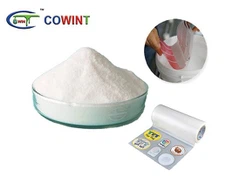
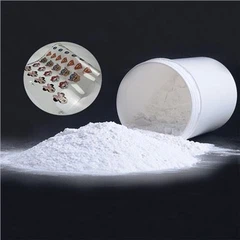
Hot melt adhesives are thermoplastic materials that are solid at room temperature. When heated, they turn into a liquid state, allowing them to be applied to various substrates. Once cooled, they solidify again, creating a strong bond. This process is reversible, which gives hot melt adhesives their flexibility and reusability in some applications.
The performance of hot melt adhesives is highly dependent on temperature. At optimal temperatures, they exhibit excellent flow properties, which enable them to spread evenly over the bonding surface. They also have good wetting characteristics, meaning they can adhere well to different materials, such as plastics, metals, and wood.
Low - Temperature Challenges
Viscosity Increase
One of the most significant issues with hot melt adhesives at low temperatures is the increase in viscosity. As the temperature drops, the molecules in the adhesive move more slowly, causing the adhesive to become thicker and less fluid. This increased viscosity makes it difficult to apply the adhesive evenly. For example, in a manufacturing line where hot melt adhesive is applied using a dispenser, a high - viscosity adhesive may clog the dispenser nozzle, leading to inconsistent application and production delays.
Poor Wetting
Low temperatures can also affect the wetting ability of hot melt adhesives. Wetting is the process by which the adhesive spreads over the surface of the substrate and forms a bond. At low temperatures, the adhesive may not be able to flow and cover the substrate effectively, resulting in poor contact between the adhesive and the substrate. This can lead to weak bonds that are prone to failure. For instance, in the packaging industry, if the hot melt adhesive does not wet the cardboard properly, the boxes may come apart during transportation, causing damage to the products inside.
Reduced Bond Strength
The bond strength of hot melt adhesives is significantly reduced at low temperatures. The adhesive may not be able to form strong intermolecular forces with the substrate due to its high viscosity and poor wetting. This can be a major problem in applications where high bond strength is required, such as in the automotive or construction industries. In automotive assembly, a weak bond between parts can compromise the safety and performance of the vehicle.
Impact on Different Industries
Packaging Industry
In the packaging industry, hot melt adhesives are widely used for sealing boxes, cartons, and labels. Low - temperature performance issues can lead to packaging failures. For example, during winter months or in cold storage facilities, the adhesive may not bond properly, causing boxes to open or labels to peel off. This not only affects the appearance of the product but also poses a risk to the integrity of the packaged goods.
Textile Industry
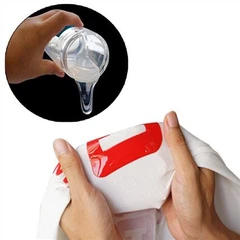
The textile industry also relies on hot melt adhesives for various applications, such as laminating fabrics and attaching embellishments. Low temperatures can make it difficult to apply the adhesive evenly on the fabric, resulting in uneven lamination or loose embellishments. This can lead to a decrease in the quality of the textile products. For more information on related products like Heat Transfer Pet Paper, which is often used in textile printing processes, you can visit the provided link.


Woodworking Industry
In woodworking, hot melt adhesives are used for joining wood parts. At low temperatures, the adhesive may not penetrate the wood fibers effectively, resulting in weak joints. This can be a problem in furniture manufacturing, where strong and durable joints are essential for the quality and longevity of the furniture.
Solutions to Low - Temperature Performance Issues
Formulation Modification
One way to address low - temperature performance issues is to modify the formulation of the hot melt adhesive. By adding certain additives or changing the polymer composition, the adhesive can be made more flexible and less viscous at low temperatures. For example, adding plasticizers can increase the mobility of the polymer chains, reducing the viscosity of the adhesive.
Pre - heating
Pre - heating the substrate and the adhesive can also improve the low - temperature performance. By heating the substrate, the adhesive can wet the surface more effectively, and the bond strength can be increased. Similarly, pre - heating the adhesive can reduce its viscosity, making it easier to apply.
Insulation and Heating Systems
In industrial settings, using insulation and heating systems can help maintain the temperature of the adhesive and the substrate. For example, in a manufacturing line, heating the adhesive dispenser and the conveyor belts can ensure that the adhesive is applied at the optimal temperature.
Conclusion
Low - temperature performance is a significant limitation to the use of hot melt adhesives. It affects the viscosity, wetting ability, and bond strength of the adhesive, which in turn impacts various industries. However, through formulation modification, pre - heating, and the use of insulation and heating systems, these issues can be mitigated.
As a hot melt adhesive supplier, we are committed to providing high - quality products that can perform well in a wide range of temperatures. If you are facing challenges with low - temperature performance in your applications, we invite you to contact us for a detailed discussion. We can work together to find the best solutions for your specific needs. Whether you are in the packaging, textile, woodworking, or any other industry, our expertise and products can help you overcome these challenges.
If you are also interested in related products such as High - density Transfer Print or COLD PEEL DOUBLE MATTE FILM, please feel free to explore the provided links.
References
- "Handbook of Adhesives" by Skeist, I.
- "Adhesive Bonding: Science, Technology, and Applications" by Petrie, E. M.
- Industry reports on hot melt adhesive applications in different sectors.