












Hey there! As a hot melt adhesive supplier, I've been diving deep into the world of adhesives for years. One question that often comes up is how adhesive cross - linking affects the performance of hot melt adhesive. Let's break it down and see what's going on.
First off, what exactly is cross - linking? In simple terms, cross - linking is like building a network of connections between the polymer chains in the adhesive. When these chains are cross - linked, they form a three - dimensional structure. It's kind of like a spider's web, where all the strands are connected to each other.
Now, let's talk about how this impacts the performance of hot melt adhesive. One of the most significant effects is on the adhesive's strength. When the polymer chains are cross - linked, the adhesive becomes much stronger. It can hold things together more firmly, which is super important in applications where you need a reliable bond. For example, in the manufacturing of furniture, a strong hot melt adhesive with proper cross - linking can ensure that the joints stay together for a long time, even under stress.
Another aspect is the heat resistance. Cross - linked hot melt adhesives generally have better heat resistance. The cross - linked structure makes it harder for the adhesive to melt or deform when exposed to high temperatures. This is crucial in industries like automotive manufacturing, where parts are often exposed to high - heat environments. A cross - linked hot melt adhesive can keep the components in place, preventing any failures due to heat - induced softening.
But it's not all about strength and heat resistance. Cross - linking also affects the flexibility of the adhesive. Depending on the degree of cross - linking, the adhesive can be made more or less flexible. In some applications, like packaging, you need an adhesive that can bend and flex without breaking the bond. A moderately cross - linked hot melt adhesive can provide the right balance of flexibility and strength.
Now, let's get into the nitty - gritty of how to control cross - linking. There are several factors that can influence the cross - linking process. One of the main ones is the type of cross - linking agent used. Different agents can create different types of cross - links, which in turn affect the adhesive's properties. For example, some agents might create more rigid cross - links, while others can form more flexible ones.
The amount of cross - linking agent also matters. Too little, and the cross - linking might not be sufficient to achieve the desired properties. Too much, and the adhesive might become too brittle or lose its other important characteristics. It's all about finding that sweet spot.
The curing conditions also play a big role. Temperature, humidity, and curing time can all impact the cross - linking process. For instance, a higher curing temperature can speed up the cross - linking reaction, but it also needs to be carefully controlled to avoid over - cross - linking.
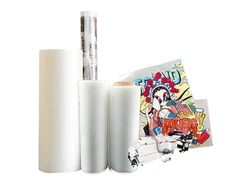
In our experience as a hot melt adhesive supplier, we've seen a wide range of applications for cross - linked hot melt adhesives. One area where they're really popular is in the textile industry. They're used for bonding fabrics together, and the cross - linking helps to ensure that the bond stays intact even after multiple washes. The INSTANT PEEL DOUBLE MATTE DTF FILM often used in textile transfer printing also benefits from the right kind of hot melt adhesive with proper cross - linking. It allows for a smooth and reliable transfer of designs onto the fabric.
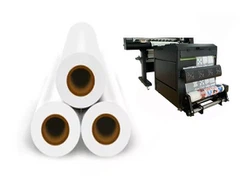
Another industry where cross - linked hot melt adhesives shine is in electronics. They're used to bond components together, and the heat resistance and strength provided by cross - linking are essential. The KW - UV 603 3 Epson I3200 Printheads UV DTF Printer requires precise and reliable bonding of its parts, and a high - quality cross - linked hot melt adhesive can meet these requirements.
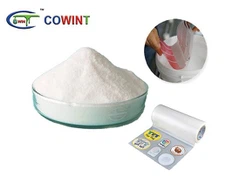
The Transfer Print Chemical industry also relies on cross - linked hot melt adhesives. These adhesives are used to transfer patterns and designs onto various substrates, and the cross - linking helps to ensure a clear and long - lasting transfer.


However, there are also some challenges associated with cross - linked hot melt adhesives. One of the main ones is the cost. The process of creating cross - linked adhesives can be more complex and expensive, especially when using high - quality cross - linking agents. This can make the final product a bit pricier.
Another challenge is the processing time. Cross - linking often requires a curing step, which can add to the overall production time. In industries where speed is of the essence, this can be a drawback. But with proper planning and optimization, these challenges can be overcome.
In conclusion, cross - linking has a profound impact on the performance of hot melt adhesives. It can enhance strength, heat resistance, and flexibility, making them suitable for a wide range of applications. As a hot melt adhesive supplier, we're constantly working on improving our cross - linking technologies to provide our customers with the best - performing adhesives.
If you're in the market for high - quality hot melt adhesives and want to learn more about how cross - linking can benefit your specific application, we'd love to have a chat with you. Whether you're in the textile, electronics, or any other industry, we can help you find the perfect adhesive solution. Don't hesitate to reach out for a consultation and let's start a productive conversation about your adhesive needs.
References:
- "Handbook of Adhesives and Sealants"
- "Adhesive Bonding: Science, Technology, and Applications"
- Industry reports on hot melt adhesive applications