










Hey there! As a transfer sheet supplier, I know how important it is to clean your transfer sheets before using them. A clean transfer sheet can make a huge difference in the quality of your prints. So, let's dive into how you can clean a transfer sheet before use.
Why Clean Your Transfer Sheet?
Before we get into the cleaning process, let's talk about why it's so crucial to clean your transfer sheet. Over time, transfer sheets can accumulate dust, dirt, and even some static - clinging particles. These impurities can interfere with the transfer process. For example, dust particles can create tiny gaps in the transferred image, making it look less sharp and professional. Dirt can also affect the adhesion of the ink or design on the transfer sheet, leading to uneven prints or parts of the design not transferring at all.
Pre - cleaning Preparation
First things first, gather your cleaning supplies. You'll need a few basic items: a soft, lint - free cloth, some mild cleaning solution, and a pair of clean gloves. The gloves are important because they prevent the natural oils from your hands from getting onto the transfer sheet, which could also cause issues during the transfer process.
When choosing a cleaning solution, stay away from harsh chemicals. You don't want to damage the delicate surface of the transfer sheet. A simple mixture of water and a small amount of mild dish soap usually does the trick. You can also use specialized cleaning solutions designed for delicate surfaces, but make sure they are safe for the type of transfer sheet you have.
The Cleaning Process
- Initial Inspection: Start by taking a close look at the transfer sheet. Hold it up to the light and check for any visible dirt, dust, or smudges. This will give you an idea of how much cleaning it needs and where the problem areas are.
- Dampen the Cloth: Dip your soft, lint - free cloth into the mild cleaning solution. Make sure it's damp, not soaking wet. You don't want excess liquid dripping onto the transfer sheet, as this could cause warping or other damage.
- Gently Wipe the Surface: Begin wiping the transfer sheet in a gentle, circular motion. Start from one corner and work your way across the entire surface. Be careful not to apply too much pressure, as this could scratch the transfer sheet. Pay extra attention to the areas with visible dirt or smudges. If there are stubborn stains, you can let the damp cloth sit on the stain for a few seconds before gently rubbing it again.
- Rinse the Cloth and Repeat: Once you've wiped the entire surface, rinse the cloth in clean water and wring it out well. Then, use the clean, damp cloth to wipe the transfer sheet again. This step is to remove any remaining soap residue, which could also affect the transfer process.
- Dry the Transfer Sheet: After rinsing, use a dry, clean part of the lint - free cloth to gently pat the transfer sheet dry. You can also let it air - dry, but make sure it's in a clean, dust - free environment. Avoid using a hairdryer or other heat sources, as this could damage the transfer sheet.
Different Types of Transfer Sheets
There are various types of transfer sheets available in the market, and the cleaning process might vary slightly depending on the type.
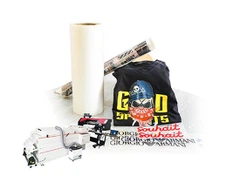
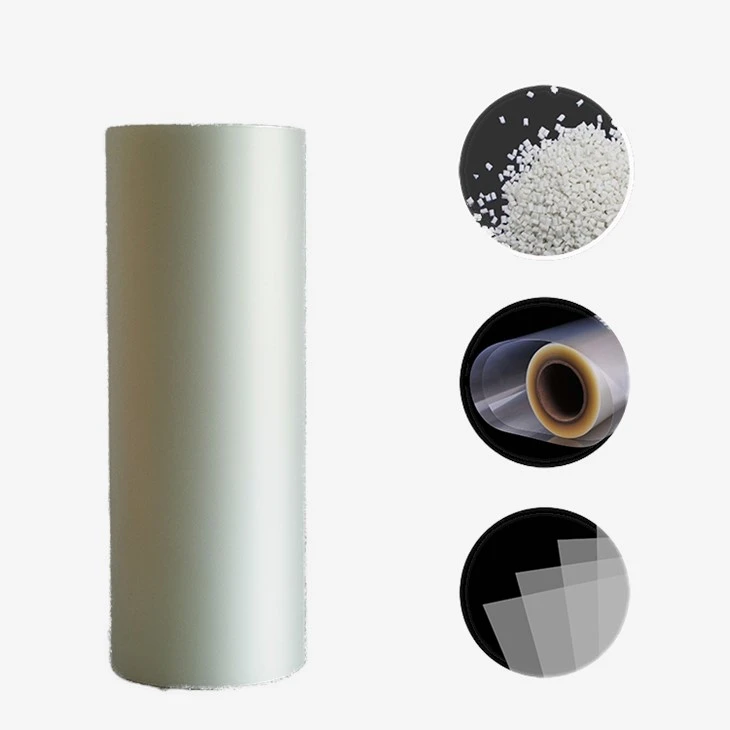
- Film For Thermal Transfer: These sheets are commonly used for thermal transfer printing. They are usually made of a thin, plastic - like material. When cleaning them, be extra gentle as they can be more prone to scratching. You might also want to use a slightly milder cleaning solution to avoid any chemical reactions that could affect the thermal transfer properties.
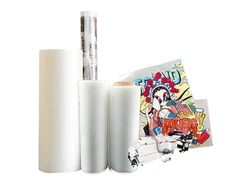
- Transfer Print Sheet: Transfer print sheets come in different materials and finishes. Some might have a glossy finish, while others are matte. For glossy sheets, you need to be careful not to leave any streaks when cleaning. Use a microfiber cloth for a streak - free finish. Matte sheets can hide small scratches better, but they can also attract more dust, so make sure to clean them thoroughly.
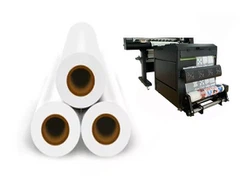
- Hot peel single matte DTF Film: DTF films are used in digital transfer printing. They are often made of a PET material. When cleaning hot peel single matte DTF film, make sure to dry it completely before use. Any moisture left on the film could cause problems during the hot - peel process, such as the film not peeling off properly or leaving residue on the substrate.
Post - cleaning Checks
Once the transfer sheet is dry, give it another inspection. Look for any remaining dirt, streaks, or watermarks. If you find any issues, you can repeat the cleaning process, but be extra careful not to over - clean the sheet.
Also, check the edges of the transfer sheet. Sometimes, dirt can accumulate along the edges, and these areas are often overlooked during the cleaning process. Make sure the edges are clean and smooth, as any rough or dirty edges could affect the alignment and adhesion of the transfer sheet during printing.
Storage After Cleaning
After cleaning and inspecting, store the transfer sheet properly. Keep it in a clean, dry place away from direct sunlight and heat. You can use a protective sleeve or folder to prevent it from getting dirty again. If you're storing multiple transfer sheets, make sure they are separated by a clean, non - abrasive material to avoid scratching.
Conclusion
Cleaning your transfer sheet before use is a simple yet essential step in achieving high - quality prints. By following these steps, you can ensure that your transfer sheets are in the best possible condition for printing. Whether you're using Film For Thermal Transfer, Transfer Print Sheet, or Hot peel single matte DTF Film, a clean transfer sheet is the key to a successful transfer.

If you're in the market for transfer sheets or have any questions about our products, feel free to reach out. We're here to help you with all your transfer sheet needs and ensure you get the best results in your printing projects.
References
- General knowledge from experience as a transfer sheet supplier.
- Industry best practices for cleaning and handling transfer sheets.