











As a supplier of transfer print ink, I understand the importance of ink air - permeability in the transfer printing industry. Air - permeable transfer print ink can significantly enhance the comfort of printed products, especially those in contact with the skin, such as clothing. In this blog, I will share some effective ways to make transfer print ink more air - permeable.
Understanding the Basics of Air - Permeability in Transfer Print Ink
Before we delve into the methods of improving air - permeability, it's essential to understand what air - permeability means in the context of transfer print ink. Air - permeability refers to the ability of the ink layer on the printed material to allow air to pass through. When the ink is highly air - permeable, the printed item can "breathe," preventing the accumulation of heat and moisture, which is crucial for user comfort.
The structure and composition of the ink play a vital role in determining its air - permeability. Inks with a dense and continuous film structure tend to have lower air - permeability. On the other hand, inks that form a porous or discontinuous film can allow air to flow more freely through the printed area.
Selecting the Right Raw Materials
One of the fundamental steps in making transfer print ink more air - permeable is to choose the appropriate raw materials. Resins are a key component of transfer print ink, and different types of resins can have varying effects on air - permeability.
For example, water - based resins are generally more air - permeable than solvent - based resins. Water - based resins form a more porous film during the drying process because the water evaporates, leaving behind small pores in the ink layer. Solvent - based resins, on the other hand, often form a denser and more continuous film, which can impede air flow.
In addition to resins, pigments also need to be carefully selected. Pigments with smaller particle sizes can be dispersed more evenly in the ink, resulting in a more uniform and potentially more air - permeable ink layer. Coarser pigments may cause uneven distribution in the ink, leading to areas of higher density and lower air - permeability.
Optimizing the Ink Formulation
Once the raw materials are selected, optimizing the ink formulation is crucial for improving air - permeability. The ratio of different components in the ink can have a significant impact on its properties.
Reducing the solid content of the ink can be an effective way to increase air - permeability. A lower solid content means there is less material in the ink layer, which can result in a thinner and more porous film. However, it's important to find the right balance, as reducing the solid content too much may affect the color intensity and durability of the printed image.
Adding additives can also enhance air - permeability. For instance, some additives can help to create a more porous structure in the ink film during the drying process. These additives work by either promoting the formation of micro - pores or by preventing the ink from forming a completely continuous film.
Controlling the Printing Process
The printing process itself can also influence the air - permeability of the transfer print ink. The printing method, pressure, and drying conditions all play important roles.
When it comes to printing methods, screen printing and digital printing have different effects on air - permeability. Screen printing typically deposits a thicker layer of ink compared to digital printing. A thinner ink layer, as achieved in digital printing, can generally be more air - permeable. However, screen printing can be adjusted to use a finer mesh screen, which can result in a thinner and more porous ink deposit.
The pressure applied during printing also matters. Excessive pressure can compress the ink layer, making it denser and less air - permeable. By reducing the pressure, the ink can spread more evenly without being overly compressed, allowing for better air flow through the printed area.


Proper drying conditions are essential for achieving good air - permeability. Drying the ink too quickly at high temperatures can cause the surface of the ink to dry and form a hard, continuous film before the interior of the ink layer has a chance to dry properly. This can trap moisture inside the ink layer and reduce air - permeability. Slow, controlled drying at a moderate temperature is often more beneficial for creating a porous and air - permeable ink film.
Using Compatible Transfer Films
The choice of transfer film can also impact the air - permeability of the transfer print ink. Different transfer films have different surface properties and release characteristics, which can affect how the ink is transferred and the resulting air - permeability.
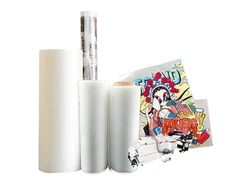
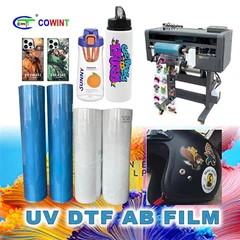
For example, the INSTANT PEEL DOUBLE MATTE DTF FILM is designed to work well with transfer print inks. Its double - matte surface can provide better adhesion and transfer of the ink while also allowing for some degree of air flow through the printed area.
The Transfer Film is another option. It has a smooth surface that can facilitate the transfer of the ink, and its structure can be optimized to enhance air - permeability when used in combination with the right ink.
The COLD PEEL DOUBLE MATTE DTF FILM is suitable for applications where a cold - peel process is required. This film can help to maintain the integrity of the ink layer during the transfer process and contribute to the overall air - permeability of the printed product.
Testing and Quality Control
After implementing these methods to improve air - permeability, it's important to conduct thorough testing and quality control. There are several methods to measure air - permeability, such as the ASTM D737 standard test method, which measures the rate of air flow through a fabric under a specified pressure difference.
Regularly testing the air - permeability of the printed samples can help to ensure that the ink meets the desired standards. If the air - permeability is not satisfactory, adjustments can be made to the raw materials, formulation, or printing process.
Conclusion
Making transfer print ink more air - permeable is a multi - faceted process that involves selecting the right raw materials, optimizing the ink formulation, controlling the printing process, using compatible transfer films, and conducting rigorous testing. By paying attention to these aspects, we can produce transfer print ink that not only provides high - quality printed images but also offers excellent air - permeability, which is essential for the comfort of end - users.
If you are interested in our transfer print ink products and want to discuss how we can meet your specific requirements for air - permeable ink, please feel free to contact us for procurement and further discussions.
References
- ASTM International. (Year). ASTM D737 - Standard Test Method for Air Permeability of Textile Fabrics.
- Various industry research reports on transfer print ink and its properties.