











Optimizing the transfer print ink for different printing methods is a crucial aspect of ensuring high - quality and efficient printing results. As a transfer print ink supplier, I have witnessed firsthand the challenges and opportunities that come with this process. In this blog, I will share some insights on how to optimize transfer print ink for various printing methods.
Understanding Different Printing Methods
Before delving into ink optimization, it is essential to understand the different printing methods commonly used in transfer printing. The most prevalent methods include Direct - to - Film (DTF) printing, Screen printing, and Digital transfer printing.
Direct - to - Film (DTF) Printing
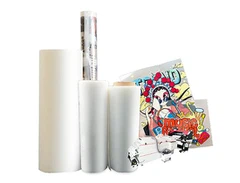
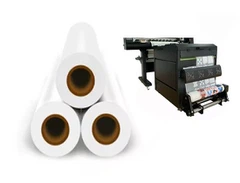
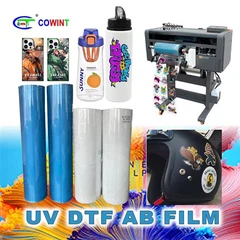
DTF printing is a relatively new and popular method. It involves printing the design directly onto a film, which is then transferred to the substrate using heat and pressure. DTF printing offers high - resolution prints and is suitable for a wide range of substrates, including cotton, polyester, and blends. There are different types of DTF films available, such as INSTANT PEEL SINGLE MATTE DTF FILM, INSTANT PEEL DOUBLE MATTE DTF FILM, and COLD PEEL SINGLE MATTE DTF FILM. Each type of film has its own characteristics, and the ink used needs to be optimized accordingly.
Screen Printing
Screen printing is a traditional method that has been used for decades. It works by forcing ink through a mesh screen onto the substrate. This method is known for its durability and is often used for large - scale printing projects. Screen printing can be used on various materials, including textiles, paper, and plastics.
Digital Transfer Printing
Digital transfer printing uses digital technology to print the design onto a transfer paper, which is then transferred to the substrate. This method offers high - precision prints and is suitable for small - to medium - sized production runs. It is also more environmentally friendly compared to some other methods as it produces less waste.
Ink Optimization for DTF Printing
When it comes to DTF printing, ink optimization is key to achieving excellent results. Here are some factors to consider:
Viscosity
The viscosity of the ink is crucial for DTF printing. If the ink is too thick, it may clog the print heads, leading to uneven prints or even print head damage. On the other hand, if the ink is too thin, it may result in poor image quality and bleeding. To optimize the viscosity, it is important to use high - quality raw materials and additives. Additionally, the ink should be stored at the right temperature and humidity to maintain its viscosity.
Adhesion
Good adhesion between the ink and the DTF film is essential for a successful transfer. The ink needs to adhere firmly to the film during the printing process and then transfer smoothly to the substrate. This can be achieved by using special adhesion promoters in the ink formulation. Different types of DTF films may require different adhesion levels, so it is important to test the ink on various films to ensure optimal adhesion.
Color Fastness
Color fastness is another important aspect of DTF printing. The printed image should maintain its color and quality even after multiple washes and exposure to sunlight. To improve color fastness, high - quality pigments should be used in the ink formulation. Additionally, the ink should be cured properly to enhance the color retention.
Ink Optimization for Screen Printing
Screen printing has its own set of requirements when it comes to ink optimization.
Mesh Compatibility
The ink used in screen printing needs to be compatible with the mesh size of the screen. Different mesh sizes are used for different types of designs and substrates. For fine details, a higher mesh count is required, and the ink should be able to pass through the fine mesh without clogging. Coarser meshes are used for larger areas, and the ink should be thick enough to cover the surface evenly.
Drying Time
The drying time of the ink is crucial in screen printing. If the ink dries too quickly, it may clog the screen, making it difficult to print successive layers. If it dries too slowly, it may lead to smudging and poor image quality. To optimize the drying time, it is important to use a suitable solvent system and drying agents in the ink formulation.
Elasticity
When printing on stretchable materials such as textiles, the ink needs to have good elasticity. The printed design should be able to stretch and recover without cracking or peeling. This can be achieved by using elastic polymers in the ink formulation.
Ink Optimization for Digital Transfer Printing
Digital transfer printing also demands specific ink optimization techniques.


Resolution
To achieve high - resolution prints, the ink should have a small particle size. Smaller particles can create sharper and more detailed images. Additionally, the inkjet printers used in digital transfer printing require inks with low viscosity to ensure smooth flow through the print heads.
Transfer Efficiency
The ink should transfer efficiently from the transfer paper to the substrate. This can be improved by using release agents in the transfer paper and adhesion - enhancing agents in the ink. The transfer process is usually carried out using heat and pressure, and the ink should be formulated to withstand these conditions without losing its color or quality.
Environmental Considerations
In recent years, there has been a growing demand for environmentally friendly inks in digital transfer printing. This includes using water - based inks instead of solvent - based inks, as water - based inks produce fewer volatile organic compounds (VOCs) and are less harmful to the environment.
Testing and Quality Control
No matter which printing method is used, rigorous testing and quality control are essential for ink optimization. Samples should be printed using the optimized ink on different substrates and under various conditions. The prints should be evaluated for color accuracy, adhesion, durability, and other important characteristics. Any issues identified during the testing process should be addressed promptly by adjusting the ink formulation.
Conclusion
Optimizing transfer print ink for different printing methods is a complex but rewarding process. By understanding the unique requirements of each printing method and considering factors such as viscosity, adhesion, color fastness, and environmental impact, high - quality prints can be achieved. As a transfer print ink supplier, I am committed to providing our customers with the best - optimized inks for their specific printing needs. If you are interested in purchasing transfer print ink or have any questions about ink optimization, please feel free to contact us to discuss your requirements.
References
- [Author's Name]. (Year). [Title of the Book]. [Publisher].
- [Author's Name]. (Year). [Title of the Journal Article]. [Journal Name], [Volume], [Page Numbers].
- [Organization Name]. (Year). [Title of the Report]. [Report Number].