








Is transfer film easy to use?
As a supplier of transfer film, I've had numerous conversations with customers, from small - scale crafters to large - scale manufacturers, about the usability of transfer film. In this blog, I'll share my insights based on years of experience in the industry to help you understand whether transfer film is easy to use.
Understanding Transfer Film
Transfer film is a versatile material used in a wide range of applications, from textile printing to graphic design and product decoration. It works by transferring an image or pattern from the film onto a substrate, such as fabric, metal, plastic, or wood. There are different types of transfer films available in the market, each with its own unique properties and application methods.
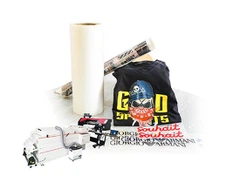
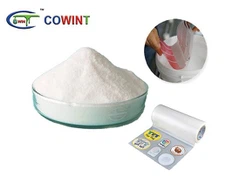
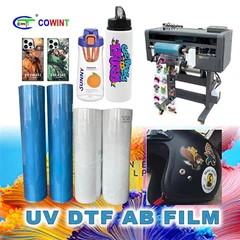
One of the most common types is the heat - transfer film. Heat - transfer film uses heat and pressure to transfer the design onto the substrate. This type of film is popular because it can be used with a variety of substrates and is relatively easy to apply. For instance, Single Matte Heat Transfer DTF Pet Film is a great option for those looking for a smooth, matte finish on their prints. It adheres well to different fabrics and can withstand multiple washes, making it suitable for both home and commercial use.
Another type is the 3D transfer sheet. 3D Transfer Sheet adds a three - dimensional effect to the transferred image, creating a more eye - catching and unique look. This type of film is often used in the automotive, electronics, and fashion industries to enhance the visual appeal of products. However, it may require more precise application techniques compared to regular transfer films.
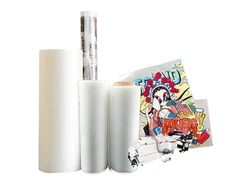
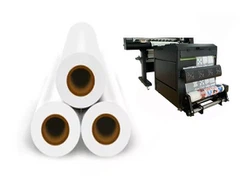
Digital transfer printing film, like the Digital Transfer Printing Film /PET Roll Film, is designed for high - resolution printing. It allows for detailed and accurate reproduction of images, making it ideal for applications where fine details matter, such as in advertising and packaging.
Ease of Use Factors
Preparation
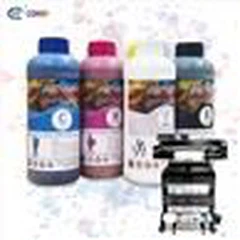
One of the key aspects of using transfer film is the preparation process. This includes preparing the design, selecting the right type of film, and pre - treating the substrate if necessary. For most transfer films, the design can be created using graphic design software and then printed onto the film using a compatible printer. Some films may require special inks or printers, so it's important to check the manufacturer's instructions.
When it comes to substrate preparation, different materials may need different treatments. For example, fabrics may need to be washed and dried to remove any dirt or sizing before applying the transfer film. Metals and plastics may require cleaning and sanding to ensure better adhesion. However, once these initial steps are completed, the actual transfer process can be quite straightforward.


Application
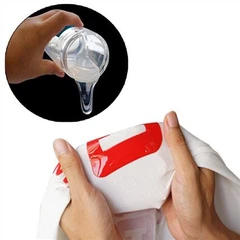
The application process of transfer film varies depending on the type of film. Heat - transfer films are typically applied using a heat press or a household iron. A heat press provides more consistent heat and pressure, resulting in better transfer quality. When using an iron, it's important to set the right temperature and apply even pressure for the recommended amount of time.
For 3D transfer sheets, the application may involve a more complex process. It often requires a vacuum forming machine or a specialized transfer press to ensure that the 3D effect is properly transferred onto the substrate. This may require some training and practice to master, but once you get the hang of it, you can create stunning 3D designs.
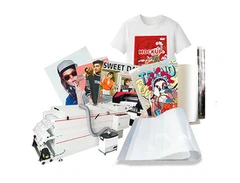
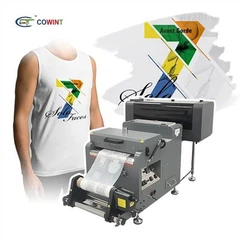
Digital transfer printing films are usually applied using a similar heat - transfer method. The printed film is placed on the substrate, and heat and pressure are applied to transfer the image. The advantage of digital transfer films is that they can produce high - quality prints with minimal effort, especially when used with a professional - grade printer.
Post - Application
After the transfer is complete, there are usually some post - application steps. For heat - transfer films on fabrics, it's common to let the transferred area cool down before peeling off the carrier film. This helps to ensure that the design adheres properly. Some films may also require a curing process, such as air - drying or heat - curing, to enhance the durability of the transfer.
In general, the post - application steps are not overly complicated and can be easily followed with the help of the manufacturer's instructions.
Advantages of Using Transfer Film
One of the main advantages of using transfer film is its versatility. It can be used on a wide range of substrates, allowing you to create customized products for different industries and applications. Whether you're making t - shirts, phone cases, or promotional items, transfer film can help you achieve the desired look.
Transfer film also offers high - quality results. With advancements in technology, modern transfer films can produce sharp, vibrant, and long - lasting prints. They can accurately reproduce complex designs, including gradients, shadows, and fine details.
Another advantage is the cost - effectiveness. Compared to other printing methods, such as screen printing or embroidery, transfer film can be a more affordable option, especially for small - scale production or one - off projects. It eliminates the need for expensive printing equipment and setup costs, making it accessible to hobbyists and small businesses.
Challenges and How to Overcome Them
While transfer film is generally easy to use, there are some challenges that users may encounter. One of the common challenges is poor adhesion. This can be caused by factors such as incorrect temperature, insufficient pressure, or improper substrate preparation. To overcome this, it's important to follow the manufacturer's instructions carefully and test the transfer on a small area first.
Another challenge is color accuracy. Sometimes, the colors on the printed film may not match exactly with the original design due to differences in printer settings, inks, or film properties. To minimize this issue, it's recommended to use high - quality inks and calibrate the printer regularly.
For 3D transfer sheets, achieving a perfect 3D effect can be a challenge. It may take some trial and error to find the right settings for the transfer press or vacuum forming machine. However, with practice and patience, you can improve the quality of your 3D transfers.
Conclusion
In conclusion, transfer film can be relatively easy to use, especially if you follow the manufacturer's instructions and take the time to learn the proper techniques. While there may be some challenges along the way, the benefits of using transfer film, such as versatility, high - quality results, and cost - effectiveness, make it a popular choice for many applications.
If you're interested in using transfer film for your projects, whether you're a beginner or an experienced professional, we're here to help. As a transfer film supplier, we offer a wide range of high - quality transfer films to meet your specific needs. We can provide you with technical support, product samples, and guidance on the best practices for using our films.
If you have any questions or would like to discuss your procurement requirements, please feel free to reach out to us. We look forward to partnering with you to create amazing products using our transfer films.
References
- Industry reports on transfer film technology and applications
- Manufacturer's guides and instructions for various transfer films