










Hey there! As a supplier of Transfer Glue, I often get asked a bunch of questions. One question that pops up quite a bit is, "Is Transfer Glue waterproof?" Well, let's dig into this topic and find out.
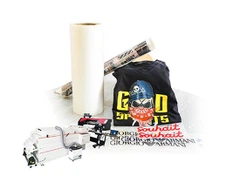
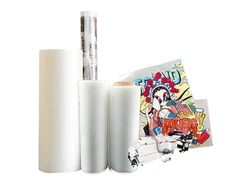
First off, let's understand what Transfer Glue is. Transfer Glue is a key product in the transfer - printing industry. It's used to adhere different materials during the transfer - printing process. You can use it with various transfer - printing items like Heat Transfer Pet Paper, Transfer Print Chemical, and Transfer Sheet.
Now, the big question about its waterproofness. Whether Transfer Glue is waterproof or not depends on a few factors.
Types of Transfer Glue
There are different types of Transfer Glue out there, and each has its own properties. Some are formulated to be more resistant to water, while others are not.
Water - based Transfer Glue
Water - based Transfer Glue is quite common. It's usually easier to clean up and has less of a strong odor compared to solvent - based ones. However, in general, water - based glues are not as waterproof as solvent - based ones. When exposed to water, water - based Transfer Glue can start to break down. The water can penetrate the glue and weaken its bonding strength. This is because the water can dissolve some of the components in the glue. For example, if you use a water - based Transfer Glue to stick a design on a T - shirt and then wash the T - shirt, the design might start to peel off after a few washes.
Solvent - based Transfer Glue
Solvent - based Transfer Glue, on the other hand, is more likely to be waterproof. The solvents used in these glues create a more durable and water - resistant bond. The solvents evaporate during the drying process, leaving behind a tough adhesive layer. This layer can withstand water to a greater extent. For instance, if you're using solvent - based Transfer Glue to attach a label on a plastic bottle that will be exposed to some moisture, it's more likely to stay in place compared to a water - based glue.
Application and Environment
The way you apply Transfer Glue also affects its waterproofness. If the glue is not applied evenly, there might be weak spots where water can seep in. Also, the environment in which the glued item is placed matters a lot.
Application Process
When applying Transfer Glue, you need to make sure the surfaces are clean and dry. Any dirt, oil, or moisture on the surfaces can prevent the glue from bonding properly. If the glue doesn't bond well, it won't be as waterproof. For example, if you're gluing a transfer design on a metal surface and there's some rust or oil on it, the glue might not stick firmly, and water can easily get in between the glue and the surface.
Environmental Factors
The temperature and humidity of the environment during the application and after can impact the glue's waterproofness. High humidity can slow down the drying process of the glue, especially water - based ones. If the glue doesn't dry properly, it won't form a strong, waterproof bond. Also, extreme temperatures can affect the glue's properties. For example, very cold temperatures can make the glue more brittle, and it might crack when exposed to water.
Testing the Waterproofness
If you're not sure whether a particular Transfer Glue is waterproof, you can do some simple tests.
Immersion Test
You can take a small sample of the glued material and immerse it in water for a certain period. For example, if you've glued two pieces of fabric together with Transfer Glue, you can soak it in a bowl of water for an hour or two. Then, check if the bond has weakened. If the fabric pieces start to separate easily, it means the glue is not very waterproof.
Spray Test
Another test is to spray water on the glued area. Use a spray bottle to spray a fine mist of water on the surface. Observe if the water beads up or if it soaks into the glue. If the water soaks in, it indicates that the glue might not be waterproof.
Benefits of Waterproof Transfer Glue
If you're in the market for Transfer Glue, a waterproof one can offer several benefits.


Durability
Waterproof Transfer Glue can make your products last longer. For example, if you're using it to attach a logo on an outdoor sign, it can withstand rain, snow, and other weather conditions. This means the logo will stay in place and look good for a long time.
Versatility
It can be used in a wider range of applications. You can use it on items that will be exposed to water, such as swimwear, water bottles, or outdoor equipment. This gives you more options when it comes to your transfer - printing projects.
Conclusion
So, is Transfer Glue waterproof? Well, it depends on the type of glue, how it's applied, and the environment. Solvent - based Transfer Glue is generally more waterproof than water - based ones. But even with solvent - based glues, proper application and environmental conditions are crucial for achieving good waterproofness.
If you're interested in purchasing Transfer Glue or have more questions about its waterproofness and other properties, feel free to reach out. We're here to help you find the right glue for your needs. Whether you're working on small DIY projects or large - scale industrial transfer - printing jobs, we've got the products to support you.
References
- "Handbook of Adhesives and Sealants"
- "The Science of Adhesion in Transfer - Printing"