






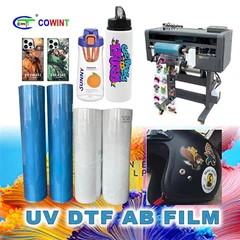
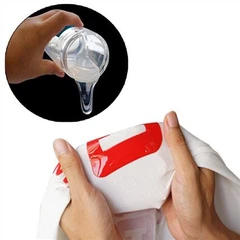


As a seasoned provider in the transfer printing industry, I've witnessed firsthand the evolving landscape of printing technologies. Among the various methods, transfer printing and dye-sublimation printing stand out as two popular choices, each with its unique characteristics, advantages, and limitations. In this blog post, I'll delve into the differences between these two printing techniques, shedding light on their processes, applications, and suitability for different projects.
Understanding Transfer Printing
Transfer printing is a versatile method that involves transferring an image or design from a carrier material, such as paper or film, onto a substrate. This process typically uses heat, pressure, or a combination of both to transfer the ink or pigment from the carrier to the substrate. There are several types of transfer printing, including heat transfer, cold transfer, and digital transfer.
The Process
The transfer printing process begins with the creation of the design on the carrier material. This can be done using a variety of methods, such as screen printing, digital printing, or laser engraving. Once the design is created, it is transferred onto the substrate using heat and pressure. The carrier material is placed on top of the substrate, and a heat press or other transfer device is used to apply heat and pressure for a specific period. This causes the ink or pigment on the carrier to transfer onto the substrate, creating a permanent image.
Applications
Transfer printing is widely used in various industries, including textiles, apparel, promotional products, and packaging. It is particularly suitable for printing on irregular surfaces, such as curved or textured objects, as well as on materials that are sensitive to heat or chemicals. Some common applications of transfer printing include:
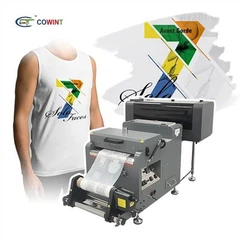
- Textile Printing: Transfer printing is a popular method for printing on fabrics, including t-shirts, jerseys, and other apparel. It allows for high-quality, detailed prints with vibrant colors and excellent durability.
- Promotional Products: Transfer printing is often used to print logos, designs, and other branding elements on promotional items, such as mugs, keychains, and phone cases. This helps businesses to promote their brand and increase brand awareness.
- Packaging: Transfer printing can be used to print labels, tags, and other packaging materials. It provides a cost-effective and efficient way to add branding and product information to packaging.
Advantages
One of the main advantages of transfer printing is its versatility. It can be used on a wide range of substrates, including textiles, plastics, metals, and ceramics. It also allows for high-quality, detailed prints with excellent color accuracy and durability. Additionally, transfer printing is a relatively simple and cost-effective process, making it a popular choice for small and medium-sized businesses.
Our Transfer Printing Products
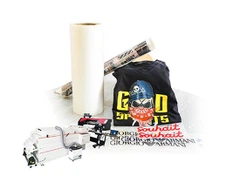
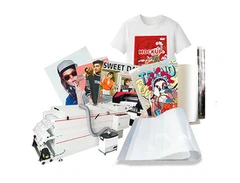
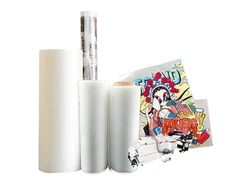
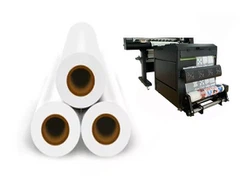
As a transfer printing supplier, we offer a wide range of transfer printing products, including 3D Transfer Film, COLD PEEL DOUBLE MATTE FILM, and INSTANT PEEL SINGLE MATTE DTF FILM. These products are designed to provide high-quality, durable prints on a variety of substrates.
Understanding Dye-Sublimation Printing
Dye-sublimation printing is a specialized printing method that uses heat to transfer dye onto a substrate. Unlike transfer printing, which uses ink or pigment, dye-sublimation printing uses dye that is in a solid state at room temperature. When heated, the dye turns into a gas and is absorbed into the substrate, creating a permanent image.
The Process
The dye-sublimation printing process begins with the creation of the design on a special transfer paper. The design is printed using a dye-sublimation printer, which uses special dye-based inks. Once the design is printed on the transfer paper, it is placed on top of the substrate, and a heat press is used to apply heat and pressure. The heat causes the dye on the transfer paper to turn into a gas and be absorbed into the substrate, creating a permanent image.
Applications
Dye-sublimation printing is commonly used in the textile industry, particularly for printing on polyester fabrics. It is also used in other industries, such as signage, photography, and promotional products. Some common applications of dye-sublimation printing include:
- Textile Printing: Dye-sublimation printing is a popular method for printing on polyester fabrics, such as sportswear, swimwear, and flags. It allows for high-quality, detailed prints with excellent color vibrancy and durability.
- Signage and Displays: Dye-sublimation printing is often used to print large-format signage and displays, such as banners, posters, and trade show exhibits. It provides a cost-effective and efficient way to create high-quality, eye-catching graphics.
- Photography: Dye-sublimation printing is used to print high-quality photographs on a variety of substrates, including paper, metal, and acrylic. It provides a long-lasting, fade-resistant print with excellent color accuracy and detail.
Advantages
One of the main advantages of dye-sublimation printing is its ability to produce high-quality, detailed prints with excellent color vibrancy and durability. It also allows for full-color printing with no limitations on the number of colors or gradients. Additionally, dye-sublimation printing is a relatively fast and efficient process, making it a popular choice for large-scale production.
Key Differences Between Transfer Printing and Dye-Sublimation Printing
While both transfer printing and dye-sublimation printing are used to transfer images onto substrates, there are several key differences between the two methods.
Substrate Compatibility
Transfer printing can be used on a wide range of substrates, including textiles, plastics, metals, and ceramics. However, the type of transfer printing method used will depend on the substrate being printed on. For example, heat transfer printing is typically used on textiles and plastics, while cold transfer printing is used on metals and ceramics.
Dye-sublimation printing, on the other hand, is primarily used on polyester fabrics and other synthetic materials. This is because the dye used in dye-sublimation printing is designed to bond with the polyester fibers in the fabric, creating a permanent image. Dye-sublimation printing is not suitable for use on natural fibers, such as cotton or wool, as the dye will not bond with the fibers.
Image Quality
Transfer printing can produce high-quality, detailed prints with excellent color accuracy and durability. However, the image quality will depend on the type of transfer printing method used and the quality of the carrier material. For example, digital transfer printing can produce very high-quality prints with excellent detail and color accuracy, while screen printing may produce a slightly less detailed print.
Dye-sublimation printing is known for its ability to produce high-quality, detailed prints with excellent color vibrancy and durability. The dye used in dye-sublimation printing is absorbed into the substrate, creating a permanent image that is resistant to fading and washing. Additionally, dye-sublimation printing allows for full-color printing with no limitations on the number of colors or gradients.
Cost
The cost of transfer printing and dye-sublimation printing will depend on several factors, including the type of printing method used, the size and complexity of the design, and the quantity of prints being produced. In general, transfer printing is a more cost-effective option for small to medium-sized production runs, while dye-sublimation printing is more cost-effective for large-scale production runs.
Production Speed
Transfer printing is a relatively fast and efficient process, particularly for small to medium-sized production runs. The transfer printing process can be completed in a matter of minutes, depending on the size and complexity of the design.
Dye-sublimation printing is also a relatively fast and efficient process, particularly for large-scale production runs. However, the dye-sublimation printing process requires a special printer and transfer paper, which can increase the setup time and cost.
Choosing the Right Printing Method
When choosing between transfer printing and dye-sublimation printing, it is important to consider the specific requirements of your project. Here are some factors to consider:


- Substrate: Consider the type of substrate you will be printing on. If you are printing on polyester fabrics or other synthetic materials, dye-sublimation printing may be the best option. If you are printing on a wide range of substrates, including textiles, plastics, metals, and ceramics, transfer printing may be a better choice.
- Image Quality: Consider the level of image quality you require. If you need high-quality, detailed prints with excellent color vibrancy and durability, dye-sublimation printing may be the best option. If you need a more cost-effective option with good image quality, transfer printing may be a better choice.
- Cost: Consider the cost of the printing method, including the cost of the printer, transfer paper, and ink. If you are printing a small to medium-sized production run, transfer printing may be a more cost-effective option. If you are printing a large-scale production run, dye-sublimation printing may be a better choice.
- Production Speed: Consider the production speed required for your project. If you need a fast and efficient printing process, transfer printing may be the best option. If you have more time and need a high-quality, detailed print, dye-sublimation printing may be a better choice.
Conclusion
In conclusion, both transfer printing and dye-sublimation printing are popular methods for transferring images onto substrates. Each method has its unique characteristics, advantages, and limitations. By understanding the differences between the two methods, you can choose the right printing method for your specific project.
As a transfer printing supplier, we are committed to providing high-quality transfer printing products and services to our customers. Whether you need a small to medium-sized production run or a large-scale production run, we have the expertise and resources to meet your needs. If you are interested in learning more about our transfer printing products or services, please contact us today to discuss your requirements. We look forward to working with you!
References
- Smith, J. (2020). Printing Technologies: A Comprehensive Guide. New York: Printing Press.
- Johnson, A. (2019). The Art of Transfer Printing. London: Art Publishers.
- Brown, C. (2018). Dye-Sublimation Printing: Principles and Applications. Sydney: Printing Institute.