










Hey there! As a transfer sheet supplier, I've seen firsthand the ins and outs of what makes a transfer sheet truly top - notch. Transfer sheets are used in a variety of industries, from fashion to home decor, and getting the transfer quality right is crucial. So, let's dig into the factors that can affect the transfer quality of transfer sheets.
1. Material Quality of the Transfer Sheet
The base material of the transfer sheet is like the foundation of a house. If it's not good, the whole thing can fall apart. Different types of transfer sheets are made from various materials, and each has its own characteristics.
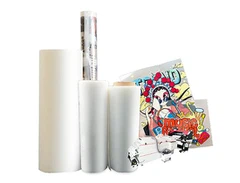
For example, 3D Transfer Film is a popular choice for creating eye - catching, three - dimensional effects. The quality of the film itself can greatly impact the transfer. A high - quality 3D transfer film will have a smooth surface, which allows for better ink adhesion during the printing process. If the film has impurities or an uneven texture, the ink may not spread evenly, resulting in a blotchy or incomplete transfer.


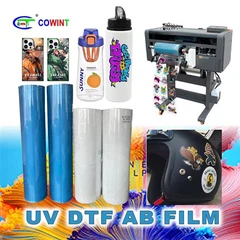
Similarly, COLD PEEL DOUBLE MATTE DTF FILM offers a unique matte finish. The material composition of this film affects how well it releases from the substrate after transfer. If the film is too sticky or doesn't peel off cleanly, it can leave behind residue on the transfer surface or damage the transferred image.
2. Ink Compatibility
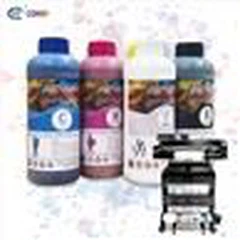
Ink is what brings the design to life on the transfer sheet, but not all inks are created equal, and not all inks work well with every transfer sheet.
The chemical properties of the ink need to be compatible with the material of the transfer sheet. For instance, some inks are formulated for use with specific types of polymers or coatings on the transfer sheet. If you use an incompatible ink, it may not adhere properly to the sheet, leading to poor transfer quality.
The viscosity of the ink also matters. If the ink is too thick, it may not flow smoothly through the printing equipment, causing blockages or uneven application on the transfer sheet. On the other hand, if the ink is too thin, it may spread too much, blurring the design and reducing its sharpness.
3. Printing Process
The way the design is printed onto the transfer sheet is a major factor in transfer quality. There are different printing methods, such as screen printing, digital printing, and heat transfer printing.
In screen printing, the mesh size of the screen plays a role. A finer mesh can produce more detailed and sharp designs, but it may also slow down the printing process. If the mesh is too coarse, the ink may not be applied precisely, resulting in a less - defined transfer.
Digital printing offers high - resolution printing capabilities, but the printer settings need to be optimized. The print resolution, dot size, and color calibration all affect the final appearance of the transfer sheet. Incorrect settings can lead to colors that are off - tone, blurry images, or pixelated designs.
Heat Transfer is another common method. The temperature, pressure, and duration of the heat application are critical. If the temperature is too low, the ink may not fully transfer from the sheet to the substrate. If it's too high, it can damage the transfer sheet or the substrate, causing discoloration or distortion of the design. Similarly, insufficient pressure may result in an incomplete transfer, while excessive pressure can crush the transfer sheet and affect the image quality.
4. Substrate Characteristics
The substrate is the material onto which the transfer is made. Different substrates have different surface properties, and these can significantly impact the transfer quality.
The smoothness of the substrate surface is important. A rough surface may not allow the transfer sheet to make full contact, leading to areas where the ink doesn't adhere properly. For example, transferring a design onto a piece of wood with a rough grain may result in an uneven transfer, with the ink not filling in the grooves of the grain.
The porosity of the substrate also matters. A highly porous substrate may absorb the ink too quickly, causing it to spread and lose its sharpness. On the other hand, a non - porous substrate may require a different type of transfer process or ink to ensure good adhesion.
5. Storage and Handling
How the transfer sheets are stored and handled can also affect their transfer quality. Transfer sheets should be stored in a cool, dry place away from direct sunlight and moisture.
Exposure to high temperatures can cause the transfer sheet material to warp or the ink to degrade. Moisture can make the transfer sheet sticky, which can lead to problems during the printing and transfer process. For example, if a transfer sheet has absorbed moisture, it may not release from the substrate cleanly during the transfer.
When handling transfer sheets, it's important to be careful not to scratch or damage the surface. Even a small scratch can disrupt the ink flow during printing or cause issues with the transfer.
6. Environmental Conditions
The environment in which the transfer process takes place can have a significant impact on the transfer quality. Temperature and humidity are two key environmental factors.
In a high - humidity environment, the ink may dry more slowly, which can lead to smudging or bleeding of the design. High humidity can also affect the adhesion of the transfer sheet to the substrate. On the other hand, in a very dry environment, the ink may dry too quickly, resulting in a cracked or flaky transfer.
Temperature also plays a role. Cold temperatures can make the transfer sheet more brittle, which can cause it to break or crack during the transfer process. Hot temperatures can accelerate the drying of the ink and may affect the chemical properties of the transfer sheet material.
7. Equipment Maintenance
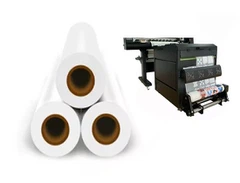
The printing and transfer equipment used in the process need to be well - maintained. Old or poorly maintained equipment can lead to a variety of problems with transfer quality.
For example, if the print heads in a digital printer are clogged or worn out, they may not apply the ink evenly, resulting in a patchy or incomplete transfer. In heat transfer equipment, malfunctioning heating elements can lead to inconsistent temperatures, which can affect the transfer process.
Regular cleaning, calibration, and replacement of parts are essential to ensure that the equipment is working at its best and producing high - quality transfers.
Conclusion
As you can see, there are many factors that can affect the transfer quality of transfer sheets. From the material quality of the sheet itself to the environmental conditions during the transfer process, every step in the process matters.
If you're in the market for high - quality transfer sheets and want to ensure the best transfer results, it's important to consider all these factors. As a transfer sheet supplier, I'm here to help you navigate these challenges and find the right products for your needs. Whether you're looking for 3D Transfer Film, COLD PEEL DOUBLE MATTE DTF FILM, or any other type of transfer sheet, I can provide you with the expertise and products to get the job done right.
If you're interested in discussing your transfer sheet requirements or want to learn more about how to optimize your transfer process, don't hesitate to reach out. Let's work together to achieve the best transfer quality for your projects!
References
- Smith, J. (2020). "The Science of Transfer Sheets". Printing Technology Journal.
- Johnson, A. (2019). "Factors Affecting Ink Transfer in Printing Processes". Industrial Printing Review.
- Brown, K. (2021). "Best Practices for Transfer Sheet Storage and Handling". Packaging and Printing Magazine.