










As a supplier of transfer adhesive, I often encounter inquiries about the differences between transfer adhesive and other adhesives. In this blog post, I'll delve into these distinctions, exploring the unique features, applications, and advantages of transfer adhesive compared to other types of adhesives commonly used in various industries.
Understanding Adhesives: A General Overview
Before we dive into the specifics of transfer adhesive, let's first understand what adhesives are. Adhesives are substances that are used to bond two or more objects together by surface attachment. They come in various forms, including liquids, pastes, tapes, and films, and are used in a wide range of applications, from household repairs to industrial manufacturing.
The most common types of adhesives include:
- Epoxy Adhesives: These are strong, durable adhesives that are known for their high bonding strength and resistance to chemicals and heat. Epoxy adhesives are often used in applications where a permanent, strong bond is required, such as in construction, automotive, and aerospace industries.
- Cyanoacrylate Adhesives: Also known as super glues, cyanoacrylate adhesives are fast - acting and form a strong bond quickly. They are commonly used for bonding small parts, such as in jewelry making, electronics, and model building.
- Polyurethane Adhesives: Polyurethane adhesives offer excellent flexibility, durability, and resistance to water and weather. They are used in applications such as woodworking, automotive assembly, and construction, where a flexible and long - lasting bond is needed.
- Pressure - Sensitive Adhesives (PSAs): PSAs are adhesives that form a bond when pressure is applied. They are used in tapes, labels, and decals and are known for their ease of use and ability to bond to a variety of surfaces.
What is Transfer Adhesive?
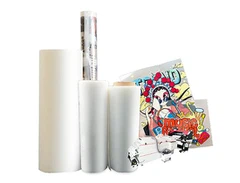
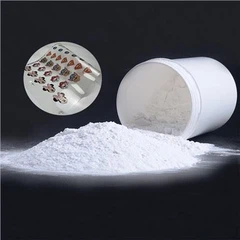
Transfer adhesive is a type of adhesive that is applied to a carrier film and then transferred to the substrate during the bonding process. It typically comes in the form of a thin film or tape, which can be easily cut and applied to different surfaces. Transfer adhesive is designed to provide a strong, reliable bond between two materials, and it is often used in applications where a clean, precise, and permanent bond is required.
Key Differences between Transfer Adhesive and Other Adhesives
1. Application Method
One of the most significant differences between transfer adhesive and other adhesives lies in the application method. Unlike liquid adhesives, which require careful dispensing and spreading, transfer adhesive comes pre - applied on a carrier film. This makes it extremely easy to use, as it can be simply cut to the desired size and shape and then placed on the substrate. The carrier film is then removed, leaving the adhesive bonded to the surface.
For example, when using an epoxy adhesive, you need to mix the resin and hardener, apply the mixture to the surfaces to be bonded, and then clamp the parts together until the adhesive cures. This process can be time - consuming and messy. In contrast, transfer adhesive can be applied quickly and cleanly, reducing the risk of adhesive spills and uneven application.
2. Bonding Precision
Transfer adhesive offers a high level of bonding precision. Since it comes in a pre - formed film or tape, it can be accurately placed on the substrate, ensuring a consistent and uniform bond. This is particularly important in applications where precise alignment is required, such as in the electronics industry for bonding components or in the printing industry for applying Hot Fix Tape.
Other adhesives, such as liquid adhesives, may spread beyond the intended bonding area, leading to a messy appearance and potential interference with other components. Cyanoacrylate adhesives, although fast - acting, can also be difficult to control during application, resulting in uneven bonds.
3. Cleanliness
Transfer adhesive provides a clean bonding solution. There is no need for solvents or mixing, which means there is less mess and less risk of contamination. This is especially beneficial in industries where cleanliness is crucial, such as the medical and food packaging industries.
In contrast, some liquid adhesives may contain solvents that can emit fumes during the curing process, which can be harmful to the environment and the health of workers. Additionally, the use of solvents may require special handling and disposal procedures.
4. Versatility
Transfer adhesive can bond a wide variety of materials, including plastics, metals, glass, and fabrics. It is suitable for both similar and dissimilar materials, making it a versatile choice for many applications. For instance, in the automotive industry, transfer adhesive can be used to bond plastic trim to metal body panels, providing a strong and durable bond.
While other adhesives may also offer some degree of versatility, they may not be as effective in bonding certain combinations of materials. For example, some epoxy adhesives may not bond well to flexible plastics, while some PSAs may not adhere strongly to rough or porous surfaces.
5. Temperature and Chemical Resistance
Transfer adhesive can be formulated to have excellent temperature and chemical resistance. This makes it suitable for use in harsh environments, such as in the aerospace and automotive industries, where components are exposed to high temperatures, chemicals, and mechanical stress.
Some other adhesives may not perform well under extreme conditions. For example, cyanoacrylate adhesives can become brittle at low temperatures, and some PSAs may lose their adhesion strength when exposed to high temperatures or certain chemicals.


Applications of Transfer Adhesive
Transfer adhesive has a wide range of applications across various industries:
1. Electronics Industry
In the electronics industry, transfer adhesive is used for bonding components, such as circuit boards, displays, and sensors. Its high bonding precision and cleanliness make it ideal for use in this industry, where small and delicate components need to be bonded together without causing any damage.
2. Printing and Packaging Industry
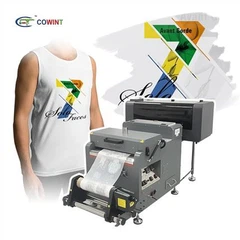
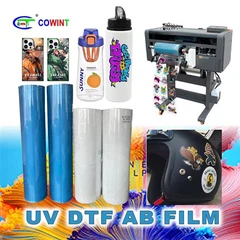
Transfer adhesive is used in the printing and packaging industry for applying Overlay Decoration Film and Film For Thermal Transfer. It provides a strong and durable bond for decorative elements, ensuring that they remain in place during handling and use.
3. Automotive Industry
In the automotive industry, transfer adhesive is used for bonding interior and exterior trim components, such as door panels, dashboards, and emblems. Its ability to bond different materials and its resistance to temperature and chemicals make it a popular choice for automotive manufacturers.
4. Textile Industry
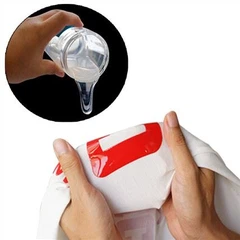
Transfer adhesive is also used in the textile industry for bonding fabrics, such as in the production of clothing, shoes, and bags. It can provide a flexible and durable bond, allowing for the creation of complex designs and patterns.
Advantages of Using Transfer Adhesive as a Supplier
As a supplier of transfer adhesive, I can offer several advantages to my customers:
- Customization: I can provide transfer adhesive in different thicknesses, sizes, and formulations to meet the specific needs of my customers. Whether they require a high - strength adhesive for heavy - duty applications or a flexible adhesive for bonding fabrics, I can develop a customized solution.
- Quality Assurance: I have strict quality control measures in place to ensure that my transfer adhesive meets the highest standards. This includes testing for adhesion strength, temperature resistance, and chemical compatibility.
- Technical Support: I offer comprehensive technical support to my customers. My team of experts can provide advice on adhesive selection, application methods, and troubleshooting, ensuring that my customers achieve the best results with my products.
Conclusion
In conclusion, transfer adhesive offers several unique advantages compared to other types of adhesives. Its ease of use, high bonding precision, cleanliness, versatility, and resistance to temperature and chemicals make it a preferred choice for many industries. Whether you are in the electronics, automotive, printing, or textile industry, transfer adhesive can provide a reliable and cost - effective bonding solution.
If you are interested in learning more about our transfer adhesive products or would like to discuss your specific bonding requirements, please feel free to contact us. We are committed to providing you with the best products and services to meet your needs.
References
- "Handbook of Adhesives" by I. Skeist
- "Adhesive Bonding: Science, Technology, and Applications" by A. Pizzi and K. L. Mittal