











Transfer printing technology has witnessed remarkable evolution over the years, transitioning from a niche application to a widespread method embraced across multiple industries. As a seasoned transfer printing supplier, I've had the privilege of observing and participating in this transformative journey. In this blog, I'll explore the future development directions of transfer printing technology, drawing on industry trends, technological advancements, and emerging market demands.
Advancements in Material Science
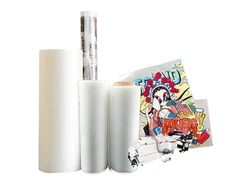
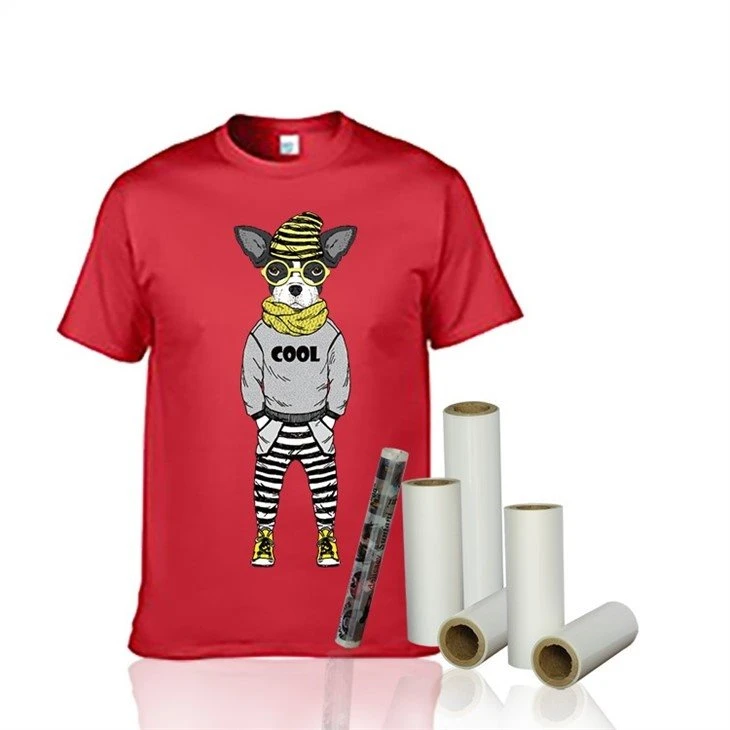
One of the most significant drivers of the future of transfer printing is the continuous innovation in material science. New materials are being developed that offer enhanced properties such as durability, flexibility, and environmental friendliness. For instance, 3D Transfer Film is a revolutionary product that adds a new dimension to transfer printing. It allows for the creation of three - dimensional effects on various substrates, opening up new possibilities for industries like automotive, consumer electronics, and fashion. These films are designed to adhere to complex shapes and surfaces, providing a high - quality finish that was previously difficult to achieve.
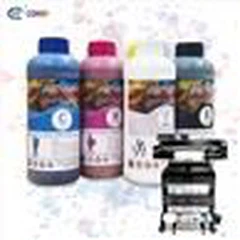
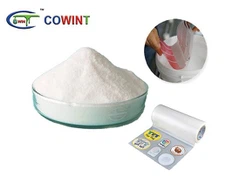
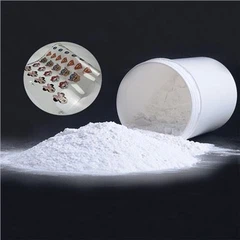
Another area of material innovation is in Transfer Print Chemical. Chemists are formulating new inks and coatings that are not only more vibrant and long - lasting but also safer for the environment. Water - based and solvent - free inks are becoming increasingly popular as they reduce the emission of volatile organic compounds (VOCs), which are harmful to human health and the environment. These eco - friendly chemicals are also compatible with a wider range of substrates, including biodegradable materials, which aligns with the growing consumer demand for sustainable products.
Digitalization and Automation
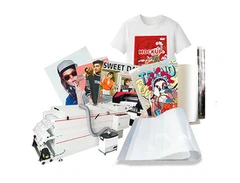
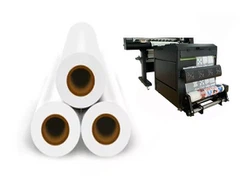
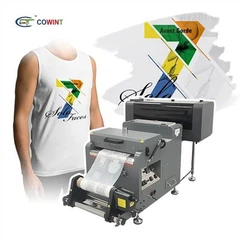
The digital revolution has had a profound impact on transfer printing technology. Digital transfer printing offers several advantages over traditional methods, such as shorter production times, greater design flexibility, and the ability to produce small - batch orders cost - effectively. With digital printers, it is possible to print high - resolution images directly onto transfer media, eliminating the need for costly printing plates. This technology also enables real - time color matching and adjustment, ensuring consistent quality across different batches.
Automation is another key trend in the future of transfer printing. Automated systems can handle the entire transfer printing process, from loading the substrates to applying the transfer film and curing the print. These systems are equipped with advanced sensors and control mechanisms that ensure precise alignment and application of the transfer, reducing the risk of errors and waste. For example, robotic arms can be used to pick and place transfer films accurately on complex - shaped objects, improving productivity and efficiency in industries such as aerospace and medical device manufacturing.
Integration with Other Technologies
Transfer printing technology is increasingly being integrated with other advanced technologies to create new and innovative products. One such integration is with 3D printing. By combining transfer printing with 3D printing, it is possible to add color, patterns, and functional elements to 3D - printed objects. This technology has applications in areas such as product prototyping, customized manufacturing, and art. For example, a 3D - printed jewelry piece can be enhanced with a transfer - printed design, giving it a unique and high - end appearance.
Another promising integration is with smart materials and sensors. Transfer printing can be used to apply conductive inks and sensors onto flexible substrates, creating smart textiles and wearable devices. These devices can monitor various physiological parameters such as heart rate, body temperature, and movement, and transmit the data wirelessly to a smartphone or other devices. This integration has the potential to revolutionize the healthcare, sports, and fashion industries.
Expansion into New Markets
As transfer printing technology continues to evolve, it is expanding into new markets and applications. The automotive industry is one such market where transfer printing is gaining traction. Transfer printing can be used to apply decorative and functional elements to interior and exterior automotive parts, such as dashboards, door panels, and emblems. The ability to create high - quality, customized designs on these parts enhances the aesthetic appeal and brand identity of vehicles.
The medical industry is also a growing market for transfer printing. Transfer - printed labels and markings can be used on medical devices, such as syringes, catheters, and surgical instruments, to provide important information such as dosage instructions, expiration dates, and serial numbers. The durability and precision of transfer printing ensure that these markings remain legible and intact throughout the lifespan of the device.
Customization and Personalization
In today's consumer - driven market, customization and personalization are key differentiators. Transfer printing technology is well - suited to meet this demand as it allows for the production of highly customized products. Consumers can choose from a wide range of designs, colors, and patterns, or even create their own unique designs. This trend is particularly evident in the fashion and home decor industries, where consumers are increasingly looking for one - of - a - kind products.
For example, Hot Fix Tape is a popular transfer printing product that enables consumers to add decorative elements such as rhinestones, beads, and sequins to their clothing and accessories. With hot fix tape, it is possible to create personalized designs at home using a simple heat press, making it accessible to a wider audience.
Challenges and Opportunities
While the future of transfer printing technology looks promising, there are also several challenges that need to be addressed. One of the main challenges is the high cost of some of the advanced materials and equipment. For example, digital transfer printers and 3D transfer films can be expensive to purchase and maintain, which may limit their adoption by small and medium - sized enterprises.
Another challenge is the need for skilled labor. As transfer printing technology becomes more complex, there is a growing demand for workers who are trained in digital design, material science, and automation. To overcome this challenge, it is essential to invest in education and training programs to develop a skilled workforce.
Despite these challenges, there are also numerous opportunities for growth and innovation in the transfer printing industry. The increasing demand for sustainable products, the growing popularity of digitalization and automation, and the expansion into new markets all present significant opportunities for transfer printing suppliers. By staying ahead of the technological curve and adapting to changing market demands, transfer printing suppliers can position themselves for success in the future.

Conclusion
The future development direction of transfer printing technology is characterized by advancements in material science, digitalization, automation, integration with other technologies, expansion into new markets, and customization. As a transfer printing supplier, I am excited about the possibilities that these trends offer. We are committed to investing in research and development to bring the latest technologies and products to our customers.
If you are interested in learning more about our transfer printing products and services or have any specific requirements, we encourage you to contact us for a procurement discussion. Our team of experts is ready to assist you in finding the best solutions for your business needs.
References
- "Handbook of Digital Printing" by John F. Hughes
- "The Future of Sustainable Manufacturing" by MIT Press
- Industry reports from leading market research firms such as Grand View Research and MarketsandMarkets