












Hey there! As a supplier in the ODM 3D Transfer business, I often get asked about the hardness of the transferred layer. It's a crucial aspect that can greatly impact the quality and durability of the final product. So, let's dive right into it and explore what the hardness of the transferred layer in ODM 3D Transfer really means.
First off, what exactly is the transferred layer? Well, in ODM 3D Transfer, we're essentially taking a design or pattern and transferring it onto a substrate, like fabric, plastic, or metal. The transferred layer is the part of that design that actually sticks to the substrate after the transfer process. It's what gives the final product its look and feel.
Now, when we talk about the hardness of the transferred layer, we're referring to how resistant it is to wear, tear, and deformation. A harder transferred layer is generally more durable and can withstand more abuse over time. This is especially important in applications where the product will be exposed to a lot of friction, like clothing or industrial parts.

But how do we measure the hardness of the transferred layer? There are a few different methods, but one of the most common is the Shore hardness test. This test measures the resistance of a material to indentation using a durometer, which is a small handheld device. The higher the Shore hardness number, the harder the material.
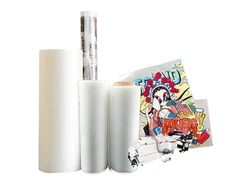
So, what factors can affect the hardness of the transferred layer? Well, there are a few key ones. First up is the type of transfer film used. Different transfer films have different properties, including hardness. For example, the INSTANT PEEL SINGLE MATTE DTF FILM is designed to provide a smooth, durable finish with a relatively high hardness. On the other hand, some transfer films may be softer and more flexible, which can be better for applications where a more comfortable or stretchy feel is desired.
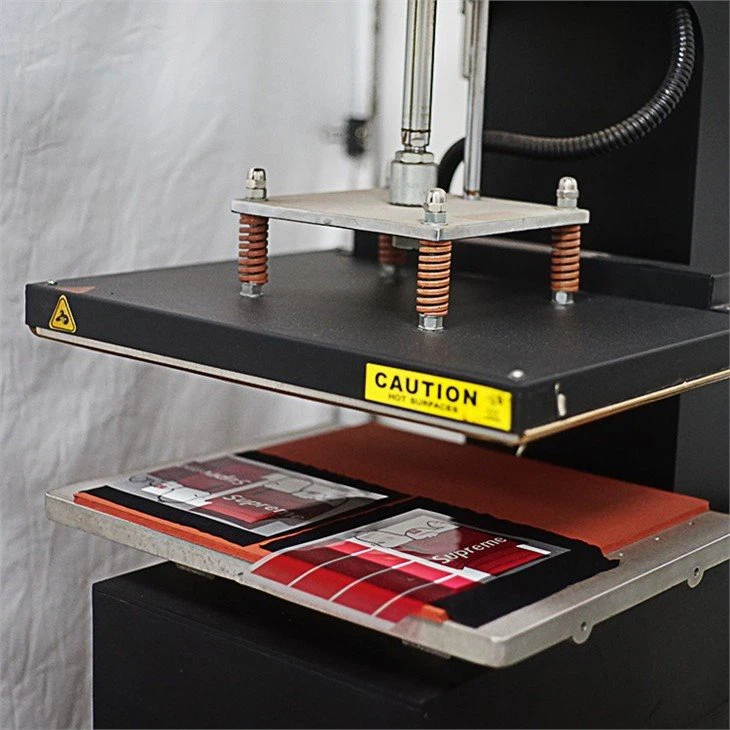
Another factor is the transfer process itself. The temperature, pressure, and duration of the transfer can all have an impact on the hardness of the transferred layer. For example, if the transfer is done at too high of a temperature or pressure, it can cause the transferred layer to become brittle and more prone to cracking. On the other hand, if the transfer is done at too low of a temperature or pressure, the transferred layer may not adhere properly and may be softer and less durable.
The substrate material also plays a role in the hardness of the transferred layer. Different substrates have different surface properties, which can affect how well the transferred layer adheres and how hard it becomes. For example, a smooth, hard substrate like metal may result in a harder transferred layer than a soft, porous substrate like fabric.
So, why is the hardness of the transferred layer so important? Well, as I mentioned earlier, a harder transferred layer is generally more durable and can withstand more abuse over time. This means that the final product will last longer and look better for longer. It also means that the product will be more resistant to damage from things like washing, ironing, or rubbing against other surfaces.
In addition, the hardness of the transferred layer can also affect the feel and appearance of the final product. A harder transferred layer may feel more stiff and rigid, while a softer transferred layer may feel more comfortable and flexible. The hardness can also affect the shine and texture of the transferred layer, which can have an impact on the overall aesthetic of the product.
So, how can we ensure that the transferred layer has the right hardness for our application? Well, it all starts with choosing the right transfer film and substrate material. As a supplier, I work closely with my customers to understand their specific needs and recommend the best products for their application. I also provide detailed instructions on how to perform the transfer process to ensure that the transferred layer has the desired hardness and quality.
In addition, it's important to test the transferred layer to make sure that it meets the required specifications. This can be done using a variety of methods, including the Shore hardness test, as well as visual inspection and performance testing. By testing the transferred layer, we can identify any issues early on and make adjustments to the transfer process or materials as needed.
So, there you have it! That's a brief overview of what the hardness of the transferred layer in ODM 3D Transfer means and why it's so important. As a supplier, I'm always here to help my customers achieve the best possible results with their ODM 3D Transfer projects. If you're interested in learning more about our products and services, or if you have any questions about the hardness of the transferred layer, please don't hesitate to contact me. I'd be happy to discuss your needs and help you find the right solutions for your application.
References
- ASTM D2240 - Standard Test Method for Rubber Property - Durometer Hardness
- ISO 868 - Plastics and ebonite - Determination of indentation hardness by means of a durometer (Shore hardness)