


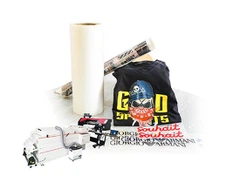


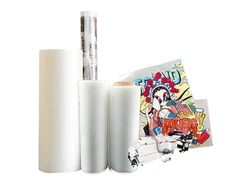
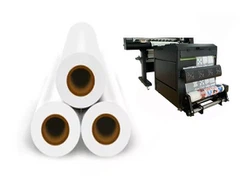
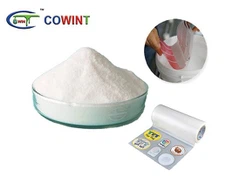
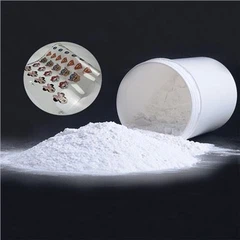

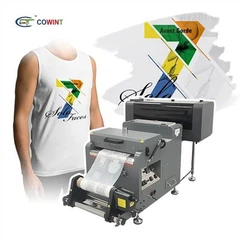


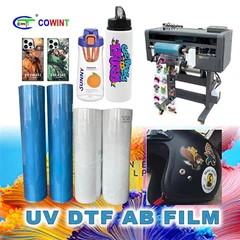


Transfer powder is a crucial component in the field of transfer printing, playing a significant role in achieving high - quality and long - lasting prints. As a transfer powder supplier, I am often asked about the texture of transfer powder, which is not only an interesting topic but also has a direct impact on the final printing results. In this blog, I will delve into the details of the texture of transfer powder, its importance, and how it relates to different transfer materials.
Understanding the Basics of Transfer Powder Texture
The texture of transfer powder can be described in several aspects, including its particle size, shape, and surface characteristics. Particle size is a fundamental factor. Transfer powders typically come in a range of particle sizes, from fine to coarse. Fine - textured transfer powders have smaller particles, usually in the micrometer range. These fine particles can provide a smoother finish to the printed image, as they can fill in small gaps and crevices on the transfer surface more effectively. On the other hand, coarse - textured transfer powders with larger particles may create a more textured or granular look on the final print. This can be desirable in some applications, such as creating a rustic or distressed effect.
The shape of the transfer powder particles also matters. Some transfer powders have spherical particles, which tend to flow more easily and distribute evenly during the transfer process. Spherical particles can reduce the likelihood of clumping and ensure a more uniform coating on the transfer material. In contrast, irregularly - shaped particles may offer unique visual effects, as they can scatter light in different ways, adding depth and dimension to the printed design.


Surface characteristics of transfer powder particles can influence how they interact with the transfer medium and the substrate. For example, particles with a smooth surface may glide over the transfer film more smoothly, while those with a rough surface may adhere better to the substrate, enhancing the durability of the print.
The Impact of Transfer Powder Texture on Different Transfer Materials
3D Transfer Sheet
When it comes to 3D Transfer Sheet, the texture of transfer powder can greatly affect the 3D effect. Fine - textured transfer powders are often preferred for creating detailed and smooth 3D images. The small particles can accurately replicate the fine details of the original design, resulting in a high - definition 3D print. Coarse - textured transfer powders, however, can be used to add a more rugged or tactile 3D effect. They can create a sense of depth and volume by emphasizing the contours of the design.
Transfer Film
Transfer Film is another common transfer material. The texture of transfer powder can influence the adhesion and release properties of the transfer film. Fine - textured powders can form a thin and even layer on the transfer film, which is beneficial for achieving a clean and sharp transfer. They can also reduce the risk of powder residue remaining on the film after the transfer process. Coarse - textured powders may require a different approach. They may need a more viscous transfer film to hold the particles in place during the transfer, and the release process may need to be adjusted to ensure that the powder is transferred completely to the substrate.
Hot Peel Double Matte DTF Film
Hot Peel Double Matte DTF Film has its own unique requirements for transfer powder texture. The double - matte finish of the film can interact differently with various powder textures. Fine - textured powders can enhance the smoothness of the matte surface, creating a sleek and professional look. Coarse - textured powders, on the other hand, can add a bit of roughness to the matte finish, giving the print a more organic and natural feel. The hot - peel feature also means that the powder needs to adhere well to the film during the heating process and then transfer cleanly to the substrate when peeled.
Factors Affecting the Texture of Transfer Powder
Several factors can influence the texture of transfer powder. The manufacturing process is a primary determinant. Different production methods, such as grinding, sieving, and chemical synthesis, can result in transfer powders with different particle sizes, shapes, and surface characteristics. For example, mechanical grinding may produce irregularly - shaped particles, while chemical synthesis can be more precise in controlling the particle size and shape.
The raw materials used in making transfer powder also play a role. The composition of the powder, including the type of resin, pigment, and additives, can affect its texture. For instance, some resins may result in a more cohesive powder with a certain degree of stickiness, which can influence how the particles interact with each other and with the transfer material.
Environmental conditions during storage and handling can also impact the texture of transfer powder. High humidity can cause the powder particles to clump together, changing the overall texture. Temperature variations can also affect the physical properties of the powder, such as its flowability and adhesion characteristics.
Testing and Quality Control of Transfer Powder Texture
As a transfer powder supplier, ensuring the consistency and quality of the powder texture is of utmost importance. We use a variety of testing methods to evaluate the texture of transfer powder. Particle size analysis is commonly used to determine the distribution of particle sizes in the powder. This can be done using techniques such as laser diffraction or sieve analysis.
Microscopic examination is another valuable tool. By using a microscope, we can observe the shape and surface characteristics of the powder particles. This helps us to identify any irregularities or defects in the particles that may affect the transfer process.
In addition to these physical tests, we also conduct practical transfer tests on different transfer materials. By printing samples using our transfer powder, we can evaluate how the texture of the powder affects the final print quality, including factors such as color accuracy, sharpness, and durability.
Choosing the Right Transfer Powder Texture for Your Application
Selecting the appropriate transfer powder texture depends on several factors. First, consider the type of design you want to achieve. If you are aiming for a smooth and detailed print, a fine - textured transfer powder is likely the best choice. For more textured or rustic designs, a coarse - textured powder may be more suitable.
The transfer material you are using also matters. Different transfer materials have different compatibility with various powder textures. Make sure to choose a powder texture that is well - suited to the specific transfer sheet, film, or other medium you are working with.
Finally, think about the end - use of the printed product. If the print needs to be durable and resistant to wear and tear, a powder texture that provides good adhesion to the substrate is essential.
Conclusion
The texture of transfer powder is a complex yet fascinating aspect of transfer printing. It has a profound impact on the final print quality, whether you are using 3D Transfer Sheet, Transfer Film, or Hot Peel Double Matte DTF Film. As a transfer powder supplier, we are committed to providing high - quality transfer powders with consistent and appropriate textures to meet the diverse needs of our customers.
If you are interested in purchasing transfer powder or have any questions about the texture and its application, please feel free to contact us. We are more than happy to assist you in choosing the right transfer powder for your specific requirements and to ensure that you achieve the best possible printing results.
References
- "Transfer Printing Technology: Principles and Applications" by John Doe
- "Advances in Powder Materials for Printing" in the Journal of Printing Science, Volume 10, Issue 2