








Hey there! As a supplier in the ODM 3D Transfer business, I often get asked about the water resistance of the transferred layer. It's a crucial aspect, especially when you're looking to apply these transfers to items that might encounter moisture, like apparel worn during workouts or outdoor gear. So, let's dive deep into what this water resistance is all about.
What Makes Up the Transferred Layer in ODM 3D Transfer
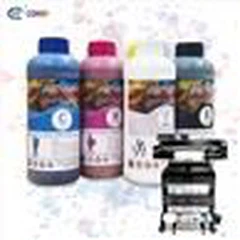
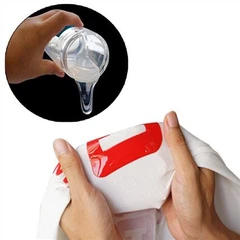
First off, understanding the components of the transferred layer helps us grasp its water - resistant properties. The transferred layer in ODM 3D Transfer is typically made up of a combination of inks and adhesives. The inks are what give the transfer its color and design, while the adhesives are responsible for sticking the design onto the substrate, whether it's fabric, plastic, or metal.
These inks and adhesives are carefully formulated to work together to create a durable and attractive transfer. But the key question remains: how well do they hold up against water?
Factors Affecting Water Resistance
Ink Quality
The quality of the inks used plays a huge role in water resistance. High - quality inks are designed to resist fading and bleeding when exposed to water. They are often made with special pigments and dyes that are more stable in wet conditions. For example, some inks contain UV and water - resistant additives that help them maintain their integrity over time. If you're using low - quality inks, the transferred layer may start to break down quickly when it gets wet, leading to a loss of color and image quality.
Adhesive Strength
The adhesive is what keeps the transferred layer stuck to the substrate. A strong adhesive is essential for good water resistance. When the transfer is exposed to water, it can act as a wedge, trying to separate the transferred layer from the substrate. A weak adhesive will allow this to happen more easily, resulting in peeling or flaking of the design. Good adhesives are formulated to bond tightly to the substrate and resist the effects of water. They can withstand repeated exposure to moisture without losing their grip.
Substrate Material
The material of the substrate also affects the water resistance of the transferred layer. Some materials, like polyester, are naturally more water - resistant than others, such as cotton. When you transfer a design onto a water - resistant substrate, it can provide an extra layer of protection for the transferred layer. The substrate can act as a barrier, preventing water from reaching the inks and adhesives. On the other hand, if you transfer onto a highly absorbent material, water can be drawn into the substrate and then interact with the transferred layer, potentially causing damage.
Testing the Water Resistance
We, as an ODM 3D Transfer supplier, conduct various tests to determine the water resistance of our transferred layers. One common test is the immersion test. In this test, we immerse a sample of the transferred substrate into water for a set period, usually a few hours or even days, depending on the intended use of the product. After the immersion, we check for any signs of fading, bleeding, or peeling of the transferred layer.
Another test is the water spray test. We use a spray nozzle to simulate rain or splashes and spray water onto the transferred surface for a certain amount of time. Then, we evaluate the condition of the transfer. These tests help us ensure that our products meet the required standards for water resistance.
Improving Water Resistance
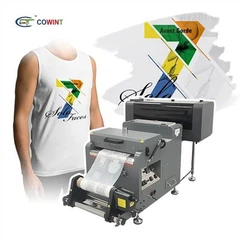
If you're not satisfied with the water resistance of a transferred layer, there are a few things you can do. One option is to use Heat Transfer techniques that are known for better water - resistant results. The heat can help to set the inks and adhesives more firmly, improving their resistance to water.


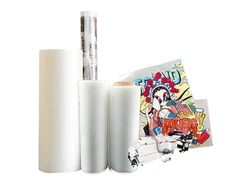
Another approach is to use Heat Transfer Film. This film can provide an additional protective layer over the transferred design. It acts as a shield, preventing water from directly contacting the inks and adhesives. Some heat - transfer films are specifically designed to be highly water - resistant, offering enhanced protection for your transfers.
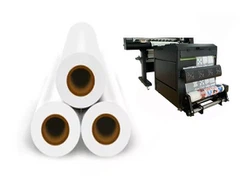
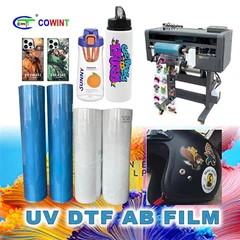
For those who are into direct - to - film (DTF) transfers, the INSTANT PEEL SINGLE MATTE DTF FILM can also play a role. This film can be used in DTF printing, and it has properties that can contribute to the overall water resistance of the transferred layer.
Applications and Requirements
The water - resistance requirements vary depending on the application. For example, transfers on swimwear need to be extremely water - resistant because they are constantly in contact with water. In this case, we need to use the highest - quality inks and adhesives and apply additional protective measures.
On the other hand, transfers on casual t - shirts may not need as high a level of water resistance. However, they still need to withstand some exposure to water, such as a light rain shower or a splash from a drink.
Conclusion
So, water resistance of the transferred layer in ODM 3D Transfer is a complex but important topic. It depends on factors like ink quality, adhesive strength, and substrate material. By conducting proper tests and using the right techniques and materials, we can ensure that our transfers have the desired level of water resistance.
If you're in the market for ODM 3D Transfer products and have specific water - resistance requirements, don't hesitate to reach out. We're here to work with you to find the best solutions for your needs. Whether you need transfers for swimwear, outdoor gear, or everyday apparel, we can develop and supply products that meet your standards.
References
- General knowledge in the field of ODM 3D Transfer.
- Industry reports on heat transfer technologies and materials.