


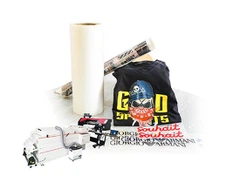
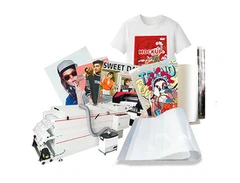

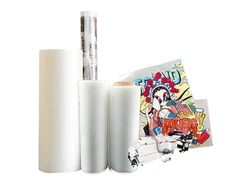
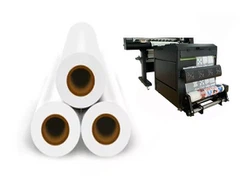



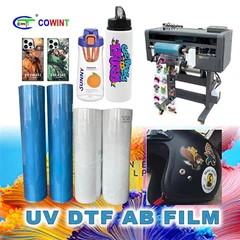
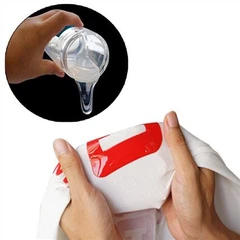


Transfer sheets, also known as transfer films, are a crucial component in the world of printing and customization. As a supplier of transfer sheets, I often get asked about the materials that go into making these essential products. In this blog post, I will delve into the various materials used in the production of transfer sheets, their properties, and how they impact the final print quality.
Polyethylene Terephthalate (PET)
One of the most commonly used materials for transfer sheets is polyethylene terephthalate, or PET. PET is a thermoplastic polymer known for its high strength, transparency, and chemical resistance. These properties make it an ideal choice for transfer sheets, as it can withstand the high temperatures and pressures involved in the transfer printing process without deforming or losing its shape.
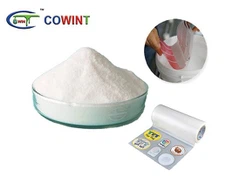
PET transfer sheets are available in different thicknesses and finishes, depending on the specific application. For example, Hot peel single matte DTF Film is a popular choice for direct-to-film (DTF) printing, as its single matte finish provides excellent adhesion and transferability. Similarly, Single Matte Heat Transfer DTF Pet Film is designed specifically for heat transfer applications, offering a smooth surface for high-quality prints.
The manufacturing process of PET transfer sheets involves several steps. First, the PET resin is melted and extruded into a thin film. This film is then stretched in both the machine and transverse directions to improve its mechanical properties and dimensional stability. Finally, the film is coated with a release layer and a print receptive layer, which allows the ink to adhere to the surface during the printing process and then transfer to the final substrate.
Polyvinyl Chloride (PVC)
Polyvinyl chloride, or PVC, is another material commonly used in the production of transfer sheets. PVC is a synthetic plastic polymer known for its flexibility, durability, and flame resistance. These properties make it an excellent choice for applications where the transfer sheet needs to conform to irregular surfaces or withstand harsh environmental conditions.
PVC transfer sheets are typically used in applications such as vehicle graphics, signage, and promotional products. They can be printed using a variety of methods, including screen printing, digital printing, and heat transfer. PVC transfer sheets are available in different colors, finishes, and thicknesses, allowing for a wide range of design possibilities.
However, PVC has some environmental concerns associated with it. During the production and disposal of PVC, toxic chemicals such as dioxins and phthalates can be released into the environment. As a result, there has been a growing trend towards using more sustainable alternatives to PVC in the transfer sheet industry.
Polyurethane (PU)
Polyurethane, or PU, is a versatile polymer that is increasingly being used in the production of transfer sheets. PU transfer sheets offer several advantages over other materials, including excellent abrasion resistance, flexibility, and UV stability. These properties make them ideal for applications where the transfer print needs to withstand frequent handling, washing, or exposure to sunlight.
PU transfer sheets are commonly used in the textile industry for applications such as heat transfer printing on t-shirts, sportswear, and swimwear. They can also be used in other industries, such as automotive, packaging, and electronics. PU transfer sheets are available in different types, including water-based and solvent-based, depending on the specific application and environmental requirements.
The manufacturing process of PU transfer sheets involves coating a substrate, such as PET or PVC, with a layer of polyurethane. The polyurethane layer can be formulated to have different properties, such as hardness, flexibility, and adhesion, depending on the specific application. After the coating is applied, the transfer sheet is dried and cured to ensure that the polyurethane layer has the desired properties.
Paper
Paper is a traditional material that is still used in some transfer sheet applications. Paper transfer sheets are typically used for applications where the transfer print does not need to be very durable or where a low-cost option is required. Paper transfer sheets are available in different types, including inkjet transfer paper and laser transfer paper, depending on the printing method used.
Inkjet transfer paper is designed to be used with inkjet printers. It has a special coating that allows the ink to adhere to the surface and then transfer to the final substrate. Laser transfer paper, on the other hand, is designed to be used with laser printers. It has a different coating that is designed to withstand the high temperatures generated by the laser printing process.
One of the main advantages of paper transfer sheets is their low cost. They are also easy to use and can be printed on using a standard printer. However, paper transfer sheets have some limitations. They are not as durable as other materials, such as PET or PVC, and they can be prone to wrinkling and tearing.
Choosing the Right Material for Your Transfer Sheet
When choosing a material for your transfer sheet, there are several factors to consider. These factors include the type of printing method you will be using, the surface you will be transferring the print to, the durability requirements of the print, and the environmental impact of the material.
If you are using a digital printing method, such as DTF or UV printing, then PET or PU transfer sheets are often the best choice. These materials offer excellent print quality, durability, and transferability. If you are using a traditional printing method, such as screen printing or heat transfer, then PVC or paper transfer sheets may be more suitable.
The surface you will be transferring the print to also plays an important role in choosing the right material. For example, if you are transferring the print to a textile, then a PU transfer sheet may be the best choice, as it offers excellent adhesion and flexibility. If you are transferring the print to a hard surface, such as glass or metal, then a PET or PVC transfer sheet may be more suitable.
The durability requirements of the print are another important factor to consider. If the print needs to withstand frequent handling, washing, or exposure to sunlight, then a durable material, such as PET or PU, should be used. If the print does not need to be very durable, then a paper or PVC transfer sheet may be sufficient.
Finally, the environmental impact of the material should also be considered. As mentioned earlier, PVC has some environmental concerns associated with it, so if you are looking for a more sustainable option, then PET or PU transfer sheets may be a better choice. There are also some paper transfer sheets available that are made from recycled materials, which can be a more environmentally friendly option.
The Role of Equipment in Transfer Sheet Printing
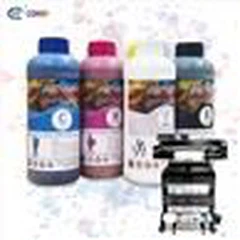
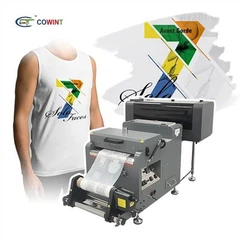
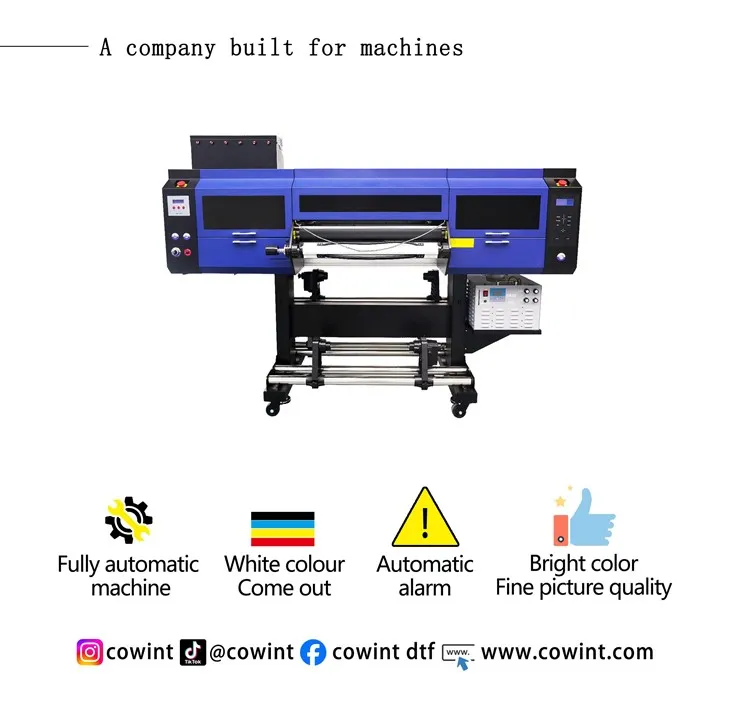
In addition to the materials used in transfer sheets, the equipment you use for printing also plays a crucial role in the quality of the final print. For example, if you are using DTF printing, a high-quality printer like the KW-UV 603 3 Epson I3200 Printheads UV DTF Printer can ensure sharp, vibrant, and long - lasting prints. This printer is equipped with advanced Epson I3200 printheads and UV technology, which can handle the unique requirements of DTF printing on various transfer sheet materials.
The right equipment can also improve the efficiency of the printing process. For instance, a printer with fast printing speeds and high - precision registration can reduce production time and waste. Additionally, proper calibration and maintenance of the printing equipment are essential to ensure consistent print quality and the proper transfer of the design from the transfer sheet to the final substrate.
Conclusion
As a transfer sheet supplier, I understand the importance of choosing the right material for your specific application. Each material has its own unique properties and advantages, and by understanding these, you can make an informed decision that will result in high-quality, durable, and cost - effective transfer prints.
Whether you are a small business owner looking to customize your products or a large manufacturer in need of high - volume transfer sheets, we have the expertise and the products to meet your needs. If you are interested in learning more about our transfer sheet products or have any questions about the materials and processes involved, please feel free to contact us. We are always happy to discuss your requirements and provide you with the best solutions for your transfer sheet needs.
Let's start a conversation about your next project and find the perfect transfer sheet material together. Contact us today to begin the procurement and negotiation process.

References
- "Polymer Science and Technology" by Donald R. Paul and Charles B. Bucknall
- "Plastics Engineering Handbook of the Society of Plastics Engineers" by Myer Kutz
- Industry reports on transfer sheet materials and manufacturing processes