




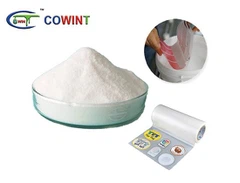
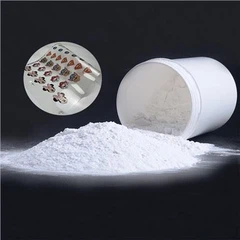






structure:
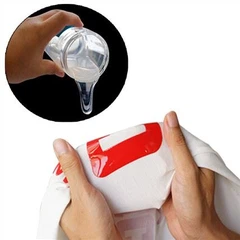
1. The silica gel in the silica gel printing is usually completed by a two-component combination of A and B. A is a transparent silica gel and B is a curing agent.
2. When in use, the transparent silicone should be mixed with the curing agent before curing the silicone.
Features:
1. The pattern has strong three-dimensional effect, soft pattern, excellent peeling strength, good abrasion resistance, good brightness, washing resistance, environmental protection, pollution-free, and non-decoloring.
2. It can print a variety of effects, good adhesion, high strength, soft and delicate touch, strong three-dimensional effect, good decorative effect, excellent performance, non-toxic and harmless.
Preparation for glue mixing:
1. Tools: electronic scales, ink knives, and glue containers.
2. Adjust the transparent glue: use transparent silica gel (10 parts of transparent silica gel) for the base, which is more firm (1 part of curing agent).
3. Toning glue: 10 parts of transparent silica gel, 1-2 parts of silicone color paste, 10 parts of color glue, 1 part of curing agent.
4. Cover: 10 parts of transparent silica gel. 1 part of curing agent.
Process analysis:
1. Screen printing, thick plate printing.
2. Dilute and wash screen: 407 printing water, white electric oil.
3. Taijiao: water-based Taijiao.
4. Hot roasting temperature: 80-150 degrees.
Printing steps:
1. Bottom line: 1-3 times of bottom line as required.
2. Printing color: According to the printed color, it can be repeated 3-4 times on each color.
3. Surface: When printing on the surface, it is best to print twice.
Process analysis:
(1) According to different fabric colors and different types of fabrics, screen printing is generally divided into: water-based printing and oil-based printing.
1. Water-based printing:
Water slurry printing, glue printing, color discharge printing, glue foam printing, sprinkling gold powder, bronzing, color change printing when exposed to water, temperature change color printing, etc.
2. Oily printing:
Thermosetting ink printing, silicone printing, self-volatile ink printing, gold printing, etc.
(2) Knitted fabrics are mainly composed of cotton, and the color is light-colored. Generally, water slurry printing is used to print patterns.
1. Screen printing:
After printing the pattern on the screen, use silica gel for scratch printing. It takes at least a few times for the effect to be good (usually about 4-5 times)!
2. Foam printing:
Adding proper foaming agent to the silica gel makes the printed pattern more three-dimensional. Note that if the foaming agent is added excessively, the color fastness of the printed part will be difficult to control. If oily foaming is used, the hand feel will be better. not too good.
3. Discharge printing:
a. It uses a discharge agent to print on colored fabrics, which means that the dyed parts are destroyed with pigments to obtain various patterns and patterns. It can also be called engraving.
b. Dye discharge agent is a kind of chemical that can decolor the dyeing background (Diamond, Stannous Chloride, etc.).
c. There are two types: the pattern is white (pull white) and the pattern is colored (pull print).
Small summary:
Silicone printing is a kind of ink-like variety. In screen printing, the silicone is poured on the screen and scraped onto the substrate to be printed. This is a printing process that can be printed multiple times.