


















In the dynamic world of transfer printing, staying abreast of emerging technologies is not just an advantage; it's a necessity. As a dedicated transfer printing supplier, I've witnessed firsthand the transformative power of innovation in this industry. In this blog, I'll delve into the exciting new transfer printing technologies that are reshaping the landscape and explore how they can benefit businesses and consumers alike.
The Evolution of Transfer Printing
Transfer printing has come a long way since its inception. Initially, it was a relatively simple process primarily used for basic designs on fabrics. Traditional methods like heat transfer vinyl (HTV) and screen printing dominated the market, offering reliable yet somewhat limited solutions. However, as technology advanced, so did the demand for more versatile, high - quality, and environmentally friendly transfer printing options.
Digital Transfer Printing: A Game - Changer
One of the most significant advancements in recent years has been the rise of digital transfer printing. Digital technology has revolutionized the industry by offering unparalleled flexibility and precision. Unlike traditional methods, digital transfer printing allows for the direct printing of designs onto transfer media, eliminating the need for costly and time - consuming setup processes such as creating screens or dies.
This technology enables the production of highly detailed and complex designs with vibrant colors. It also allows for on - demand printing, which is ideal for small - batch production and customized orders. Digital transfer printing can be used on a wide range of substrates, including fabrics, plastics, and metals, making it a versatile choice for various industries.
Direct - to - Film (DTF) Printing: The New Frontier
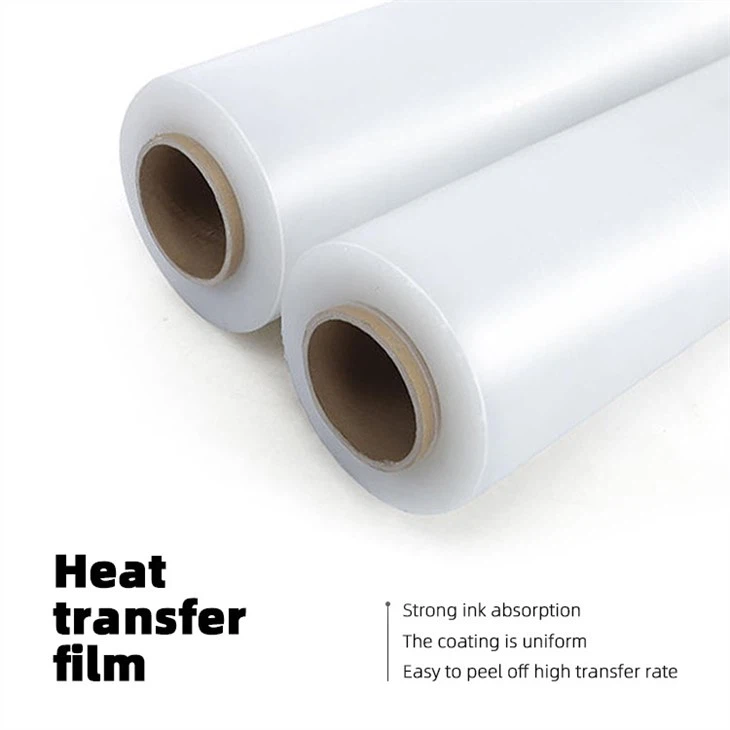
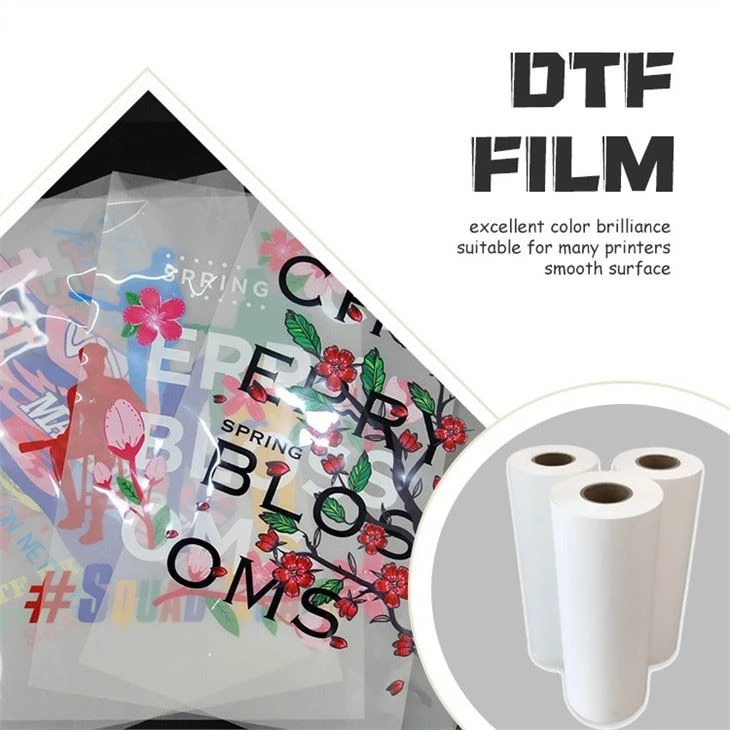
Among the emerging transfer printing technologies, Direct - to - Film (DTF) printing has been making waves. DTF printing involves printing a design directly onto a special film, which is then transferred onto the substrate using heat and pressure. This method offers several advantages over traditional transfer printing techniques.
Firstly, DTF printing provides excellent color accuracy and sharpness. The inks used in DTF printing are formulated to adhere well to the film and transfer smoothly onto the substrate, resulting in high - quality prints. Secondly, DTF printing is suitable for a variety of fabrics, including cotton, polyester, and blends. It can also be used on other materials such as leather and wood, expanding its application scope.
There are different types of DTF films available in the market. For instance, the HOT PEEL SINGLE MATTE DTF FILM is designed for applications where a hot peel process is required. It offers a matte finish, which can add a unique aesthetic to the printed design. On the other hand, the DTF Clear Pet Film is a clear film that provides a transparent base for the design, allowing for a more seamless transfer onto the substrate. And the INSTANT PEEL DOUBLE MATTE DTF FILM is ideal for quick and easy transfers, with a double - matte finish that enhances the overall look of the print.
UV Transfer Printing
UV transfer printing is another innovative technology that has gained popularity in recent years. This process uses ultraviolet (UV) light to cure the inks during the printing process. UV - cured inks offer several benefits, including fast drying times, high durability, and excellent scratch resistance.
UV transfer printing can be used on a wide range of materials, including glass, ceramics, and plastics. It is particularly well - suited for applications where high - quality and long - lasting prints are required, such as in the automotive, electronics, and promotional products industries. The ability to print on non - porous surfaces makes UV transfer printing a valuable addition to the transfer printing toolkit.
Nanotechnology in Transfer Printing
Nanotechnology is also starting to make its mark in the transfer printing industry. Nanoparticles can be incorporated into inks and coatings to enhance their performance. For example, nanoscale pigments can provide better color saturation and lightfastness compared to traditional pigments.
Nanotechnology can also improve the adhesion of inks to substrates. By modifying the surface properties of the substrate at the nanoscale, it becomes easier for the inks to bond, resulting in more durable prints. Additionally, nanocoatings can be used to provide additional protection to the printed design, such as water resistance and anti - microbial properties.
The Impact of New Technologies on the Industry
The emergence of these new transfer printing technologies is having a profound impact on the industry. For businesses, it means increased efficiency, reduced costs, and the ability to offer more innovative and high - quality products to their customers. The flexibility of these technologies allows for greater customization and personalization, which is highly valued in today's market.
For consumers, it means access to a wider range of products with unique and high - quality designs. Whether it's a custom - printed t - shirt, a personalized phone case, or a decorative item, the new transfer printing technologies are enabling the creation of products that are truly one - of - a - kind.
Sustainability in Transfer Printing
As the world becomes more environmentally conscious, sustainability has become a key consideration in the transfer printing industry. Many of the new transfer printing technologies are more eco - friendly compared to traditional methods.
For example, digital transfer printing and DTF printing produce less waste compared to screen printing, as they do not require the use of large amounts of chemicals and solvents. Additionally, some of the inks used in these technologies are water - based, which reduces the emission of volatile organic compounds (VOCs).
Looking Ahead
The future of transfer printing looks bright, with continuous innovation and development on the horizon. We can expect to see further improvements in the quality, efficiency, and sustainability of transfer printing technologies. New materials and processes will likely be introduced, expanding the capabilities of transfer printing even further.
As a transfer printing supplier, I am excited to be at the forefront of these technological advancements. I am committed to providing my customers with the latest and greatest transfer printing solutions. Whether you are a small business looking to add custom printing to your product line or a large corporation in need of high - volume production, I can help you find the right transfer printing technology for your needs.
Contact for Procurement
If you are interested in exploring these new transfer printing technologies for your business, I invite you to contact me for more information. I can provide samples, technical support, and pricing details to help you make an informed decision. Let's work together to bring your creative ideas to life with the latest transfer printing solutions.
References
- "The Handbook of Digital Printing" by John C. Goffin
- "Textile Printing Technology" by P. K. Chattopadhyay
- Industry reports from leading market research firms on transfer printing technologies.