











Can hot melt adhesive be used for bonding fiberglass? That's a question I get asked a lot as a hot melt adhesive supplier. And let me tell you, it's not a straightforward yes or no answer. There are a bunch of factors to consider, so let's dig into it.
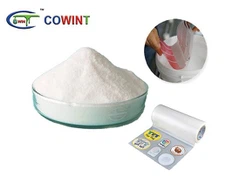
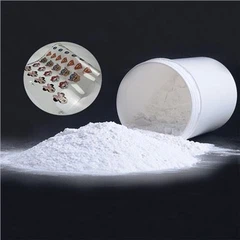
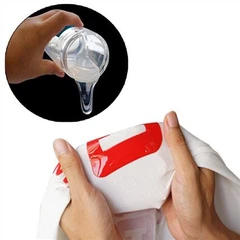
First off, what's hot melt adhesive? It's a type of adhesive that comes in solid form at room temperature. When you heat it up, it turns into a liquid that can be applied to surfaces. Once it cools down, it hardens and forms a bond. It's pretty popular because it sets quickly, is easy to use, and doesn't need any solvents.


Now, fiberglass. It's a material made of extremely fine fibers of glass. It's strong, lightweight, and resistant to heat and chemicals. You'll find it in all sorts of products, like boats, cars, insulation, and even some sports equipment.
So, can hot melt adhesive work for bonding fiberglass? Well, in some cases, yes. Hot melt adhesives can create a decent bond with fiberglass, but it depends on a few things.
One big factor is the type of hot melt adhesive. There are different kinds, like ethylene-vinyl acetate (EVA), polyamide, and polyurethane. Each has its own properties and is better suited for certain applications. For fiberglass, polyamide and polyurethane hot melt adhesives are often a good choice. They tend to have better adhesion and flexibility, which can be important when working with fiberglass.
The surface of the fiberglass also matters. Fiberglass can have a smooth or textured surface. A smooth surface might be a bit more challenging to bond to because there's less area for the adhesive to grip onto. You might need to roughen up the surface a bit to improve adhesion. You can do this by sanding it lightly with fine-grit sandpaper. Just be careful not to damage the fiberglass.
Another thing to think about is the environment where the bonded fiberglass will be used. If it's going to be exposed to high temperatures, moisture, or chemicals, you need to choose a hot melt adhesive that can withstand those conditions. Some adhesives might break down or lose their bond strength over time if they're not suitable for the environment.
Let's talk about the bonding process. When using hot melt adhesive to bond fiberglass, you need to make sure you apply it correctly. First, heat up the adhesive according to the manufacturer's instructions. Then, apply it evenly to one of the surfaces you want to bond. Press the two pieces of fiberglass together firmly and hold them in place until the adhesive cools and sets.
It's also a good idea to test the bond before using the bonded fiberglass in a real application. You can do a simple peel test or a shear test to see how strong the bond is. If the bond isn't strong enough, you might need to adjust the adhesive type, the surface preparation, or the bonding process.
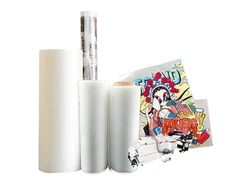
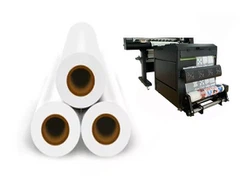
Now, I want to mention some related products that might be of interest. If you're into transfer printing, you might want to check out Cowint DTF Film Heat Transfer Direct To Film. It's a great option for high - quality transfer printing. Also, High - density Transfer Print can give you some amazing results, and 3D Transfer Sheet adds a cool dimension to your prints.
In conclusion, hot melt adhesive can be used for bonding fiberglass, but you need to do your homework. Choose the right type of adhesive, prepare the surface properly, and make sure it's suitable for the environment. If you're still not sure, don't hesitate to reach out. I'm here to help you find the best solution for your bonding needs. Whether you're working on a small DIY project or a large - scale industrial application, I can provide you with the right hot melt adhesive and advice. So, if you're interested in purchasing hot melt adhesive for your fiberglass bonding projects, let's start a conversation. I'm looking forward to working with you to get the job done right.
References
- "Adhesive Bonding Technology Handbook" - A comprehensive guide on different types of adhesives and their applications.
- Manufacturer's specifications of various hot melt adhesives for detailed information on their properties and recommended uses.