











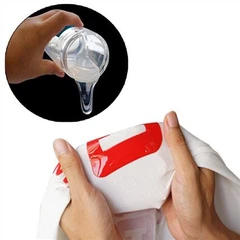


In the realm of composite materials bonding, the search for the ideal adhesive is a continuous journey. As a seasoned hot melt adhesive supplier, I've witnessed firsthand the evolving demands and challenges in this field. This blog aims to explore the viability of using hot melt adhesive for composite materials bonding, delving into its properties, advantages, limitations, and practical applications.
Understanding Composite Materials and Hot Melt Adhesives
Composite materials are engineered by combining two or more distinct materials with different physical or chemical properties to create a new material with enhanced performance characteristics. These materials are widely used in various industries, including aerospace, automotive, construction, and consumer goods, due to their high strength-to-weight ratio, corrosion resistance, and design flexibility.
Hot melt adhesives, on the other hand, are thermoplastic adhesives that are solid at room temperature and become liquid when heated. They are applied in a molten state and bond to substrates as they cool and solidify. Hot melt adhesives offer several advantages, such as fast bonding speed, high initial tack, excellent heat and chemical resistance, and the ability to bond a wide range of materials.


Advantages of Using Hot Melt Adhesive for Composite Materials Bonding
- Fast Bonding Speed: One of the most significant advantages of hot melt adhesives is their rapid bonding speed. When applied in a molten state, they quickly cool and solidify, forming a strong bond within seconds or minutes. This makes them ideal for high-speed production processes, where efficiency and productivity are crucial.
- High Initial Tack: Hot melt adhesives have excellent initial tack, which means they can quickly adhere to substrates upon contact. This property is particularly beneficial when bonding composite materials, as it helps to hold the components in place during the bonding process, reducing the need for additional clamping or fixturing.
- Versatility: Hot melt adhesives can bond a wide range of composite materials, including fiberglass, carbon fiber, aramid fiber, and thermoplastic composites. They can also bond these materials to other substrates, such as metals, plastics, and wood, providing a versatile bonding solution for various applications.
- Good Heat and Chemical Resistance: Many hot melt adhesives offer excellent heat and chemical resistance, making them suitable for use in harsh environments. This property is essential in applications where the bonded components may be exposed to high temperatures, chemicals, or moisture.
- Environmentally Friendly: Compared to solvent-based adhesives, hot melt adhesives are generally considered more environmentally friendly. They do not contain volatile organic compounds (VOCs) or solvents, which can be harmful to the environment and human health. Additionally, they produce less waste during the bonding process, as they can be applied precisely and do not require extensive cleaning or disposal.
Limitations of Using Hot Melt Adhesive for Composite Materials Bonding
- Limited Open Time: Hot melt adhesives have a relatively short open time, which is the time between application and bonding. Once the adhesive has cooled and solidified, it cannot be repositioned or adjusted. This can be a challenge when bonding large or complex composite components, as it requires precise alignment and positioning during the application process.
- High Temperature Application: Hot melt adhesives typically require high temperatures for application, which can limit their use in some applications. The high temperature can cause thermal degradation of the composite materials, leading to reduced mechanical properties or dimensional stability. Additionally, the high temperature can pose a safety hazard to operators, requiring proper safety precautions and equipment.
- Poor Flexibility: Some hot melt adhesives may have poor flexibility, which can be a limitation when bonding composite materials that are subject to bending or flexing. In these applications, the adhesive may crack or delaminate under stress, leading to a loss of bond strength.
- Surface Preparation Requirements: Like all adhesives, hot melt adhesives require proper surface preparation for optimal bonding. The surfaces of the composite materials must be clean, dry, and free of contaminants, such as oil, grease, and dust. Failure to prepare the surfaces adequately can result in poor bond strength and adhesion.
Practical Applications of Hot Melt Adhesive in Composite Materials Bonding
- Aerospace Industry: In the aerospace industry, hot melt adhesives are used for bonding composite components, such as wings, fuselages, and interior panels. They offer a lightweight and strong bonding solution, which is essential for reducing the weight of aircraft and improving fuel efficiency. Additionally, hot melt adhesives can provide excellent vibration and noise damping properties, enhancing the comfort and safety of passengers.
- Automotive Industry: The automotive industry also benefits from the use of hot melt adhesives in composite materials bonding. They are used for bonding components such as body panels, interior trim, and engine parts. Hot melt adhesives can improve the structural integrity of the vehicle, reduce noise and vibration, and enhance the overall appearance of the car.
- Construction Industry: In the construction industry, hot melt adhesives are used for bonding composite materials in applications such as roofing, flooring, and insulation. They can provide a strong and durable bond, even in harsh weather conditions. Additionally, hot melt adhesives can be used to bond composite materials to other substrates, such as concrete, wood, and metal, providing a versatile bonding solution for various construction projects.
- Consumer Goods Industry: Hot melt adhesives are widely used in the consumer goods industry for bonding composite materials in products such as furniture, electronics, and sporting goods. They can provide a strong and aesthetically pleasing bond, enhancing the quality and durability of the products.
Considerations for Using Hot Melt Adhesive in Composite Materials Bonding
- Adhesive Selection: Choosing the right hot melt adhesive for your specific application is crucial. Consider factors such as the type of composite materials being bonded, the bonding requirements (e.g., strength, flexibility, heat resistance), and the application process (e.g., temperature, pressure, open time). Consult with an adhesive supplier or technical expert to select the most suitable adhesive for your needs.
- Surface Preparation: Proper surface preparation is essential for achieving a strong and durable bond. Clean the surfaces of the composite materials thoroughly to remove any contaminants, such as oil, grease, and dust. You may also need to roughen the surfaces to improve the adhesion of the adhesive.
- Application Process: Follow the manufacturer's instructions carefully when applying the hot melt adhesive. Ensure that the adhesive is applied at the correct temperature and pressure, and that the bonding surfaces are properly aligned and clamped during the bonding process.
- Testing and Quality Control: Before using the hot melt adhesive in a production environment, it is recommended to conduct testing and quality control procedures to ensure that the bond meets the required specifications. This may include testing the bond strength, adhesion, and durability under various conditions.
Conclusion
In conclusion, hot melt adhesives can be a viable option for composite materials bonding, offering several advantages such as fast bonding speed, high initial tack, versatility, and good heat and chemical resistance. However, they also have some limitations, such as limited open time, high temperature application, poor flexibility, and surface preparation requirements. When considering using hot melt adhesives for composite materials bonding, it is important to carefully evaluate the specific requirements of your application and choose the most suitable adhesive and bonding process.
If you are interested in learning more about our hot melt adhesives or have any questions about composite materials bonding, please feel free to contact us. We are a leading supplier of high-quality hot melt adhesives and can provide you with the technical support and expertise you need to achieve successful bonding results. Whether you are working on a small-scale project or a large-scale production line, we have the right adhesive solution for you.
References
- "Adhesive Bonding of Composite Materials," ASM Handbook, Volume 13A, Corrosion: Fundamentals, Testing, and Protection, ASM International, 2003.
- "Hot Melt Adhesives: Technology and Applications," edited by D. Satas, Satas & Associates, 1999.
- "Composite Materials Handbook," Military Handbook 17, Department of Defense, 2002.