









As a transfer film supplier, I understand the critical role that transfer films play in food packaging. The requirements for transfer films used in food packaging are stringent and multifaceted, encompassing aspects of safety, functionality, and environmental impact. In this blog post, I will delve into the key requirements that transfer films must meet to ensure their suitability for food packaging applications.
Safety Requirements
Food Contact Compliance
One of the most fundamental requirements for transfer films in food packaging is compliance with food contact regulations. These regulations vary from country to country but generally aim to protect consumers from potential hazards associated with food packaging materials. For example, in the United States, the Food and Drug Administration (FDA) regulates food contact substances under the Federal Food, Drug, and Cosmetic Act (FD&C Act). Transfer films must be formulated with materials that are approved for direct or indirect contact with food, and they must not migrate harmful substances into the food under normal conditions of use.
Non-Toxicity
Transfer films used in food packaging must be non-toxic to ensure the safety of consumers. This means that they should not contain any harmful chemicals, heavy metals, or other contaminants that could leach into the food and pose a health risk. Manufacturers of transfer films must carefully select raw materials and production processes to minimize the presence of potentially toxic substances. Additionally, transfer films should be tested regularly to ensure compliance with non-toxicity standards.
Hygiene
Maintaining high levels of hygiene is crucial in food packaging. Transfer films should be resistant to microbial growth and easy to clean to prevent the contamination of food. They should also be able to withstand the conditions of food processing and storage without deteriorating or releasing any harmful substances. For example, transfer films used in packaging for ready-to-eat foods may need to be sterilizable to ensure the safety of the product.
Functional Requirements
Adhesion
Transfer films must have good adhesion to the food packaging substrate to ensure that they stay in place during handling, transportation, and storage. The adhesion strength should be sufficient to prevent the film from peeling or delaminating, which could lead to contamination of the food. At the same time, the transfer film should be able to release cleanly from the printing surface during the transfer process without leaving any residue.
Printability
Transfer films are often used for printing branding, product information, and other graphics on food packaging. Therefore, they must have good printability to ensure high-quality and durable prints. The film surface should be smooth and receptive to inks, and it should be able to maintain the integrity of the printed image throughout the packaging process and the product's shelf life. Different printing methods, such as digital printing, screen printing, and offset printing, may require specific surface treatments or coatings on the transfer film to achieve optimal print results.
Barrier Properties
Depending on the type of food being packaged, transfer films may need to provide certain barrier properties to protect the food from external factors such as oxygen, moisture, light, and odors. For example, packaging for perishable foods may require a transfer film with high oxygen and moisture barrier properties to extend the shelf life of the product. On the other hand, packaging for dry foods may need a film that provides a good barrier against light to prevent the degradation of the food due to photooxidation.
Heat Resistance
In some food packaging applications, transfer films may be subjected to heat during the packaging process, such as heat sealing or shrink wrapping. Therefore, they must have sufficient heat resistance to withstand these processes without melting, deforming, or releasing any harmful substances. The heat resistance of the transfer film should be carefully considered based on the specific packaging requirements and the temperature conditions involved.
Environmental Requirements
Sustainability
With increasing consumer awareness of environmental issues, there is a growing demand for sustainable packaging solutions in the food industry. Transfer film suppliers are under pressure to develop products that are environmentally friendly and have a reduced impact on the planet. This includes using renewable or recyclable materials, minimizing waste during production, and reducing the carbon footprint of the packaging. For example, some transfer films are now made from biodegradable or compostable materials, which can help to reduce the amount of plastic waste in landfills.
Recyclability
Transfer films should be designed to be easily recyclable to promote a circular economy. This means that they should be compatible with existing recycling systems and can be separated from other packaging materials during the recycling process. Manufacturers can work with recycling facilities to ensure that their transfer films meet the necessary recyclability criteria and can be effectively recycled into new products.
Reduced Use of Harmful Chemicals
In addition to being non-toxic, transfer films should also be produced with a reduced use of harmful chemicals. This includes avoiding the use of solvents, heavy metals, and other hazardous substances that can have a negative impact on the environment. Instead, manufacturers can opt for more environmentally friendly production methods and materials, such as water-based inks and coatings.
Our Products and Solutions
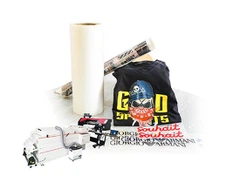
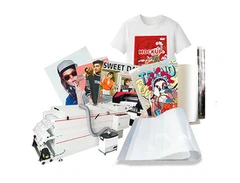
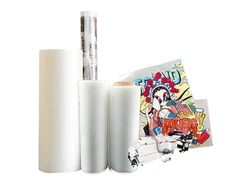
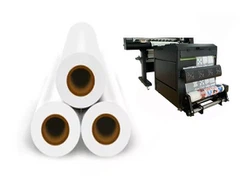
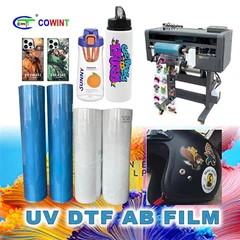
At our company, we are committed to meeting the strict requirements for transfer films used in food packaging. We offer a wide range of transfer films that are designed to meet the diverse needs of the food industry. Our COLD PEEL SINGLE MATTE DTF FILM is a high-quality product that provides excellent adhesion, printability, and heat resistance, making it suitable for various food packaging applications. It is also compliant with food contact regulations and has good barrier properties to protect the food from external factors.
We also provide Heat Transfer Materials that are specifically formulated for food packaging. These materials offer superior transfer performance and can be customized to meet the specific requirements of our customers. Our Single Matte Heat Transfer DTF Pet Film is another popular product that combines the advantages of single matte finish and DTF technology, providing high-quality prints and excellent adhesion on food packaging substrates.


If you are looking for a reliable transfer film supplier for your food packaging needs, we would be happy to discuss your requirements and provide you with customized solutions. Our team of experts is dedicated to providing the best products and services to ensure your satisfaction. Please feel free to contact us to start a procurement negotiation and explore how our transfer films can enhance the quality and safety of your food packaging.
References
- Food and Drug Administration (FDA). (n.d.). Food Contact Substances. Retrieved from [FDA website]
- European Food Safety Authority (EFSA). (n.d.). Food Contact Materials. Retrieved from [EFSA website]
- Packaging Machinery Manufacturers Institute (PMMI). (n.d.). Food Packaging Trends. Retrieved from [PMMI website]