











As a supplier of Transfer Print Ink, I've seen firsthand how frustrating it can be when your ink dries out. It's not only a waste of money but can also disrupt your printing projects. In this blog, I'll share some tips on how to store transfer print ink to prevent it from drying out.
Understanding the Basics of Transfer Print Ink
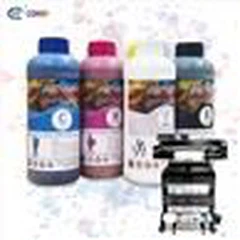
Before we dive into storage tips, it's important to understand what transfer print ink is and how it works. Transfer print ink is a special type of ink used in Heat Transfer processes. It's designed to be transferred from a carrier sheet onto another surface, like fabric or paper, using heat and pressure.
There are different types of transfer print inks, such as those used for High-density Transfer Print. These inks need to be stored properly to maintain their quality and performance.


Ideal Storage Temperature
One of the most important factors in preventing ink from drying out is the storage temperature. Transfer print ink should be stored at a moderate temperature. Extreme heat can cause the ink to evaporate and dry out quickly, while extreme cold can make the ink thicken and become unusable.
The ideal temperature range for storing transfer print ink is between 60°F and 75°F (15°C and 24°C). You can use a simple thermometer to check the temperature of your storage area regularly. If you're storing the ink in a room, try to keep it away from direct sunlight and heat sources like radiators or heaters.
Keeping the Containers Sealed
Another crucial step is to always keep the ink containers sealed tightly. When the container is open, the ink is exposed to the air, and the solvent in the ink can evaporate, causing the ink to dry out.
Make sure to close the cap of the ink bottle or container firmly after each use. If you're using a larger container with a lid, check the seal to ensure there are no gaps. Some inks come with special seals or liners, so make sure they're intact.
Minimizing Air Exposure
In addition to sealing the containers, you can also minimize air exposure by using the ink in a well - ventilated but controlled environment. When you're transferring the ink from the container to your printing equipment, do it quickly to reduce the time the ink is exposed to the air.
If you have leftover ink in a syringe or a small container that you've used for dispensing, make sure to transfer it back to the main sealed container as soon as possible.
Using the Right Containers
The type of container you use to store the transfer print ink can also make a big difference. Choose containers that are made of materials that are resistant to the ink and won't react with it.
Most ink manufacturers provide their products in appropriate containers, but if you need to transfer the ink to a different container, make sure it's made of a suitable plastic or glass. Avoid using containers that have been previously used for other substances, as they may have residues that can contaminate the ink.
Regularly Checking the Ink
It's a good idea to regularly check your stored ink for any signs of drying out or changes in consistency. Every few weeks, take a quick look at the ink in the containers. If you notice that the ink has started to thicken or has a crust on the surface, it may be a sign that it's drying out.
If you detect any problems early, you may be able to salvage the ink by mixing it gently or adding a small amount of the appropriate solvent (as recommended by the ink manufacturer). However, if the ink has completely dried out, it will likely need to be replaced.
Storing in a Clean Environment
Keep the storage area clean to prevent any dust, dirt, or debris from getting into the ink containers. A dirty environment can not only contaminate the ink but also affect its quality.
Wipe down the storage shelves regularly and make sure there are no spills or leaks in the area. If you're storing the ink in a storage cabinet, make sure it's clean and free of any pests.
Considering the Shelf Life
Transfer print ink has a shelf life, and it's important to be aware of it. Check the manufacturer's instructions for the expiration date of the ink. Using expired ink can lead to poor print quality and may cause other issues.
If you have ink that's approaching its expiration date, try to use it up first. You can also plan your purchases based on your usage rate to avoid having a large amount of expired ink.
Special Considerations for INSTANT PEEL DOUBLE MATTE DTF FILM
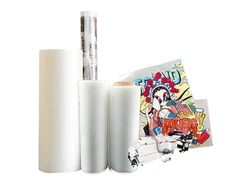
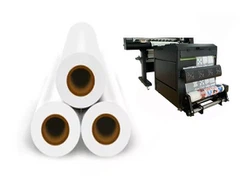
If you're using transfer print ink in conjunction with INSTANT PEEL DOUBLE MATTE DTF FILM, there are some additional things to keep in mind. The ink and the film need to be compatible, and proper storage of both is essential.
Store the DTF film in a dry and cool place, away from direct sunlight. Make sure the film is rolled up properly and stored in its original packaging or a suitable container. When using the ink with the film, follow the manufacturer's instructions carefully to ensure the best results.
As a transfer print ink supplier, I'm here to help you with all your ink - related needs. If you have any questions about storing your ink, or if you're interested in purchasing high - quality transfer print ink for your projects, don't hesitate to reach out. We can have a chat about your specific requirements, and I'll do my best to offer you the right solutions.
References
- Manufacturer's guidelines for transfer print ink storage
- Industry best practices for ink storage and handling