











Hey there! As a hot melt adhesive supplier, I'm often asked, "Can hot melt adhesive bond wood?" Well, let's dive into this topic and find out.
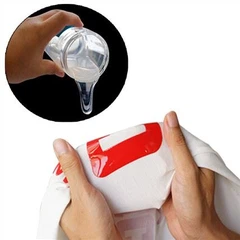
Hot melt adhesive, also known as hot glue, is a popular choice for bonding various materials due to its fast - setting properties and ease of use. It comes in a solid form and is melted using a glue gun or a hot melt applicator. Once it's in its molten state, it can be applied to surfaces, and as it cools down, it solidifies and creates a bond.
When it comes to wood, the answer to whether hot melt adhesive can bond it is a resounding yes, but with some caveats.
Why Hot Melt Adhesives Can Bond Wood
One of the main advantages of using hot melt adhesive on wood is its speed. In many woodworking projects, time is of the essence. Whether you're making a small wooden craft or assembling a large piece of furniture, hot melt adhesive can set in a matter of seconds to minutes. This means you can get your project done faster compared to other types of adhesives that may take hours or even days to cure.
Another great thing is its versatility. Hot melt adhesives can bond different types of wood, including softwoods like pine and cedar, and hardwoods like oak and maple. They can also adhere to wood that has been painted, stained, or finished.
The bond strength is also quite decent. Depending on the type of hot melt adhesive you use, it can create a strong enough bond to hold wooden pieces together for normal use. For non - structural applications, such as attaching small wooden decorations or making a simple wooden box, a good quality hot melt adhesive can do the job just fine.
Types of Hot Melt Adhesives for Wood
There are different types of hot melt adhesives available on the market, and each has its own characteristics that make it suitable for wood bonding to varying degrees.
Ethylene - Vinyl Acetate (EVA) Hot Melt Adhesives: These are the most common type of hot melt adhesives used for wood. They have good adhesion to wood and are relatively inexpensive. EVA hot melt adhesives are known for their flexibility and shock resistance, which can be beneficial in applications where the wood may be subject to some movement or vibration. However, they may not be the best choice for high - temperature environments as they can soften at relatively low temperatures.
Polyamide (PA) Hot Melt Adhesives: Polyamide hot melt adhesives offer better heat resistance compared to EVA. They have a high bond strength and are more suitable for applications where the wood will be exposed to moderate to high temperatures, such as in some industrial woodworking processes. PA adhesives are also more resistant to chemicals and moisture, which can be an advantage in certain environments.
Polyolefin (PO) Hot Melt Adhesives: Polyolefin hot melt adhesives are known for their excellent resistance to moisture and have a wide range of temperature tolerances. They can bond well to a variety of wood surfaces and are often used in outdoor woodworking applications or in situations where the wood may come into contact with water.
Factors Affecting the Bonding of Wood with Hot Melt Adhesive
The surface condition of the wood is crucial. The wood should be clean, dry, and free from dust, grease, or other contaminants. If the surface is dirty or greasy, the adhesive may not bond properly. Sanding the wood surface lightly can sometimes improve adhesion as it creates a rougher surface for the adhesive to grip onto.
The temperature at which the hot melt adhesive is applied also matters. Each type of hot melt adhesive has an optimum application temperature range. If the adhesive is too cold when applied, it may not flow properly and create a weak bond. On the other hand, if it's too hot, it could damage the wood or cause the adhesive to break down.
The amount of adhesive used is another factor. Using too little adhesive may result in a weak bond, while using too much can be messy and may not necessarily improve the bond strength. It's important to apply the right amount of adhesive evenly across the bonding surface.
Applications of Hot Melt Adhesive in Woodworking
In the world of woodworking, hot melt adhesives have a wide range of applications.
Crafts and DIY Projects: For hobbyists and DIY enthusiasts, hot melt adhesives are a go - to choice. Whether it's making a wooden picture frame, gluing wooden beads together for a necklace, or assembling a small wooden model, hot melt adhesive provides a quick and easy bonding solution.
Furniture Assembly: In the furniture industry, hot melt adhesives are used for bonding small parts such as drawer pulls, decorative trims, and panels. They are also used in some cases for edge banding, where a strip of wood or other material is bonded to the edges of a wooden panel.
Packaging: Wood is often used in packaging applications, such as crates and pallets. Hot melt adhesives can be used to bond wooden components together in these packaging structures, providing a cost - effective and efficient bonding method.
Comparing Hot Melt Adhesives with Other Wood Adhesives
While hot melt adhesives have their advantages, it's important to compare them with other types of wood adhesives to see where they stand.
PVA Glue: Polyvinyl acetate (PVA) glue is a popular choice for woodworking. It has good bond strength and is easy to work with. However, it takes longer to dry compared to hot melt adhesive. For projects where you need an immediate bond or want to finish quickly, hot melt adhesive may be a better option.
Epoxy Resin: Epoxy resin is known for its extremely high bond strength and durability. It can be used for structural wood applications. But it's more expensive and requires a mixing process. Hot melt adhesive is simpler to use and more cost - effective for non - structural applications.
Our Hot Melt Adhesives for Wood
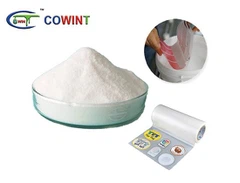
As a hot melt adhesive supplier, we offer a range of products that are specifically formulated for wood bonding. Our adhesives are designed to provide strong, reliable bonds while being easy to use. Whether you're a professional woodworker or a DIY enthusiast, we have the right hot melt adhesive for your project.
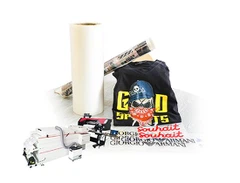
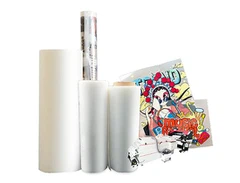
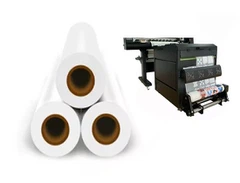
In addition to our high - quality hot melt adhesives, we also offer some related products. For example, if you're into transfer - printing on wood or other materials, you might be interested in our COLD PEEL SINGLE MATTE DTF FILM, Special DTF Film, and COLD PEEL DOUBLE OF MATTE FILM. These films can enhance the appearance of your wooden products and open up new creative possibilities.


Contact Us for Your Hot Melt Adhesive Needs
If you're looking for a reliable hot melt adhesive for your woodworking projects or have any questions about our products, don't hesitate to get in touch. We're here to help you find the best solution for your bonding needs. Whether you need a small quantity for a DIY project or a large - scale supply for an industrial application, we can accommodate you.
References
- "Wood Adhesives: Chemistry and Technology" by R. Pizzi and K. L. Mittal
- "Handbook of Adhesive Technology" by A. Pizzi and K. L. Mittal
- Various industry research reports on hot melt adhesives and woodworking.