












As a reputable supplier of transfer glue, I often encounter numerous inquiries from craft enthusiasts, DIYers, and professional artists about the various applications of our products. One question that frequently comes up is, "Can transfer glue be used for bonding paper to fabric?" Today, I'd like to delve into this topic and provide you with an in - depth analysis based on scientific knowledge and practical experience.
Understanding Transfer Glue
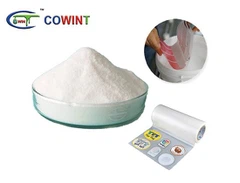
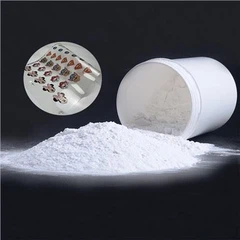
Before we discuss its use for bonding paper to fabric, let's first understand what transfer glue is. Transfer glue is a specialized adhesive designed primarily for transfer printing applications. This type of glue is engineered to adhere to different substrates effectively and has properties that make it suitable for the transfer process. It can be formulated with specific features such as flexibility, heat resistance, and high - strength bonding depending on the intended use.
There are different types of transfer glue available in the market, such as water - based and solvent - based. Water - based transfer glues are more environmentally friendly and have a lower odor, while solvent - based glues usually offer stronger adhesive power and faster drying times.
The Compatibility of Paper and Fabric
To determine if transfer glue can bond paper to fabric, we need to consider the nature of both paper and fabric. Paper is a thin material made from cellulose fibers, which can be porous and absorbent. The surface texture and porosity of paper can vary widely depending on the type, such as glossy photo paper, matte construction paper, or kraft paper.


On the other hand, fabrics are made from a variety of fibers, including natural fibers like cotton, silk, and wool, and synthetic fibers like polyester, nylon, and acrylic. Each type of fabric has its own unique characteristics, such as texture, porosity, and stretchability.
Bonding Efficiency of Transfer Glue
The good news is that in most cases, transfer glue can indeed be used to bond paper to fabric. The key lies in choosing the right type of transfer glue for the specific paper and fabric combination.
For instance, if you are working with a porous fabric like cotton and a regular printer paper, a water - based transfer glue can be a good choice. The water - based glue can penetrate the pores of the paper and fabric, creating a strong bond as it dries. It also has the advantage of being less likely to cause discoloration or damage to the materials.
However, if you are using a non - porous fabric like polyester or a glossy photo paper, a solvent - based transfer glue might be more appropriate. The strong adhesive properties of the solvent - based glue can better adhere to these smooth surfaces.
Application Process
When using transfer glue to bond paper to fabric, the application process is crucial for achieving a good result.
First, make sure both the paper and fabric are clean and dry. Any dirt, dust, or moisture can affect the bonding strength. Cut the paper to the desired size and shape before applying the glue.
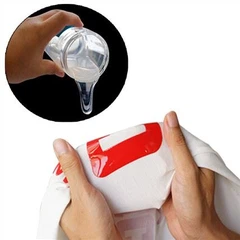
Apply a thin, even layer of transfer glue to either the paper or the fabric using a brush or a roller. Be careful not to apply too much glue, as this can lead to a messy finish and may cause the paper to wrinkle or the fabric to become stiff.
Then, carefully place the paper onto the fabric, aligning it as accurately as possible. Use a smooth object, like a credit card or a bone folder, to gently press the paper onto the fabric, removing any air bubbles.
Allow the glue to dry completely. The drying time can vary depending on the type of transfer glue used, the thickness of the glue layer, and the environmental conditions. In general, water - based glues may take longer to dry than solvent - based glues.
Potential Challenges and Solutions
While transfer glue can be effective in bonding paper to fabric, there are some potential challenges that you may encounter.
One common issue is peeling or delamination over time. This can occur if the glue is not compatible with the paper or fabric, or if the bonding process is not carried out correctly. To prevent this, make sure to choose the right type of transfer glue and follow the application instructions carefully.
Another challenge is the appearance of the bonded area. If too much glue is used, it can create a visible residue or make the paper look distorted. To avoid this, use a minimal amount of glue and apply it evenly.
Related Products
In addition to transfer glue, there are other products in the transfer printing field that can be used in combination with the paper - to - fabric bonding process. For example, Transfer Print Chemical can be used to enhance the transfer effect and improve the durability of the bond.
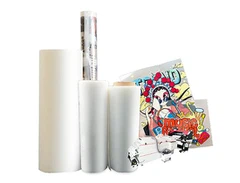
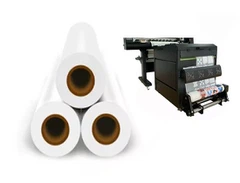
If you are involved in direct - to - film (DTF) printing, you might also be interested in Hot Peel Double Matte DTF Film and COLD PEEL SINGLE MATTE DTF FILM. These films can provide a smooth surface for printing and transferring designs onto fabric, which can be combined with the paper - fabric bonding for more creative projects.
Conclusion
In conclusion, transfer glue can be used for bonding paper to fabric, but it requires careful consideration of the materials involved and the right application process. As a transfer glue supplier, we are committed to providing high - quality products and technical support to help you achieve the best results in your projects.
Whether you are a hobbyist looking to create unique fabric - paper crafts or a professional in the textile or printing industry, our transfer glue can meet your needs. If you are interested in learning more about our transfer glue products or have any questions regarding their application, we invite you to initiate a procurement negotiation. Our team of experts is ready to assist you in choosing the most suitable glue for your specific requirements.
References
- "Adhesives and Sealants Handbook" by Robert T. Ulrich
- Journal articles on textile bonding and transfer printing technologies