












Transfer adhesives are a type of bonding material designed to transfer from one surface to another, leaving a sticky layer that can adhere to various substrates. They are widely used in industries such as packaging, printing, and automotive for applications like labeling, mounting, and assembly. But can transfer adhesive be used for electronics? This question has become increasingly relevant as the electronics industry continues to evolve and demand more advanced and reliable bonding solutions.
Compatibility of Transfer Adhesive with Electronic Components
Electronic components are often made of a variety of materials, including metals, plastics, ceramics, and semiconductors. Each of these materials has different surface properties, such as roughness, polarity, and chemical composition, which can affect the adhesion performance of transfer adhesives.
For metals, transfer adhesives can form a strong bond if they are properly formulated to interact with the metal surface. Some adhesives are designed to react with metal oxides on the surface, creating a chemical bond that enhances adhesion. For example, in printed circuit board (PCB) assembly, transfer adhesives can be used to attach components such as resistors, capacitors, and integrated circuits. These adhesives must be able to withstand the high temperatures and mechanical stresses associated with the soldering process and subsequent operation of the electronic device.
Plastics used in electronics, such as polycarbonate, acrylonitrile butadiene styrene (ABS), and polyethylene terephthalate (PET), have different surface energies, which can make it challenging to achieve good adhesion. However, there are transfer adhesives available that are specifically formulated to bond to these plastics. These adhesives typically contain additives or primers that can improve wetting and adhesion to the plastic surface. For instance, in mobile phone manufacturing, transfer adhesives are used to attach the touchscreen display to the phone housing, providing a reliable and durable bond.
Thermal and Electrical Properties
In electronics, thermal and electrical properties are crucial considerations when selecting a transfer adhesive. Heat is a common byproduct of electronic devices, and if not properly dissipated, it can lead to component failure and reduced device lifespan. Some transfer adhesives have excellent thermal conductivity properties, allowing them to act as heat transfer materials. These adhesives can be used to bond heat sinks to electronic components, such as processors and power transistors, to transfer heat away from the component and into the surrounding environment.
On the other hand, electrical conductivity is also an important property in certain electronic applications. For example, in flexible printed circuits (FPCs), conductive transfer adhesives can be used to bond electrical contacts or to provide electromagnetic shielding. These adhesives contain conductive fillers, such as silver, copper, or carbon, which allow them to conduct electricity while maintaining good adhesion.
Chemical Resistance and Stability
Electronic devices are often exposed to a variety of chemicals, including moisture, solvents, and cleaning agents. Therefore, the transfer adhesive used in electronics must have good chemical resistance to ensure long-term stability and reliability. Moisture can cause corrosion of metal components and delamination of the adhesive bond, so adhesives with high water resistance are preferred. Solvents and cleaning agents can also attack the adhesive, leading to a loss of adhesion or degradation of the adhesive properties.
To ensure chemical resistance, transfer adhesives can be formulated with special polymers and additives that are resistant to moisture, solvents, and other chemicals. For example, some adhesives are coated with a protective layer or contain a moisture barrier to prevent water intrusion. In addition, the adhesive must be stable over a wide range of temperatures and environmental conditions to maintain its performance over the lifespan of the electronic device.
Our Transfer Adhesive Solutions for Electronics
As a transfer adhesive supplier, we offer a wide range of products that are specifically designed for electronics applications. Our transfer adhesives are formulated to provide excellent adhesion to various electronic materials, including metals, plastics, and ceramics. We understand the unique requirements of the electronics industry and have developed adhesives with the following features:
- High Thermal Conductivity: Our thermal transfer adhesives are designed to efficiently transfer heat away from electronic components, helping to prevent overheating and improve device performance.
- Electrical Conductivity: We offer conductive transfer adhesives that can be used for bonding electrical contacts and providing electromagnetic shielding in FPCs and other electronic devices.
- Chemical Resistance: Our adhesives are formulated to resist moisture, solvents, and other chemicals, ensuring long-term stability and reliability in harsh environments.
- Customizable Formulations: We can customize our transfer adhesives to meet the specific requirements of our customers, including viscosity, tack, and curing time.
Some of our popular products for electronics applications include:
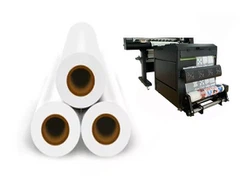
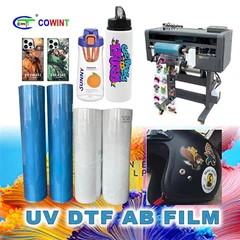
- INSTANT PEEL SINGLE MATTE DTF OF FILM: This product is suitable for high - speed transfer printing processes in electronics manufacturing, providing a smooth and instant peel performance.
- Transfer Print Chemical: Our transfer print chemicals are designed to enhance the adhesion and print quality of transfer adhesives on electronic substrates.
- 3D Transfer Sheet: Ideal for applications where 3D effects are required on electronic devices, such as casings and displays.
Conclusion
In conclusion, transfer adhesive can indeed be used for electronics, provided that it is carefully selected and formulated to meet the specific requirements of the application. By considering factors such as material compatibility, thermal and electrical properties, and chemical resistance, transfer adhesives can provide reliable and durable bonding solutions for a wide range of electronic devices.
As a transfer adhesive supplier, we are committed to providing high - quality products and technical support to our customers in the electronics industry. If you are interested in learning more about our transfer adhesive solutions for electronics or are looking for a reliable bonding solution for your specific application, please reach out to us for a detailed discussion. We look forward to partnering with you to meet your bonding needs and contribute to the success of your electronic products.


References
- Harper, Charles A. "Handbook of Plastics, Elastomers, and Composites." McGraw - Hill, 2018.
- Van Ooij, Wim J. "Adhesion Science and Engineering, Volume 2: Surfaces, Chemistry, and Applications." Elsevier, 2006.
- Murayama, Toshio. "Properties of Polymers: Their Correlation with Chemical Structure; Their Numerical Estimation and Prediction from Additive Group Contributions." Elsevier, 1990.