










As a seasoned supplier of transfer sheets, I often encounter a frequently asked question from artists, crafters, and businesses alike: "Can I use a transfer sheet on canvas?" This question is not only relevant but also crucial for those looking to add unique designs to their canvas projects. In this blog post, I'll delve into the feasibility, process, and considerations of using transfer sheets on canvas, drawing from my years of experience in the industry.
Understanding Transfer Sheets
Before we explore using transfer sheets on canvas, let's first understand what transfer sheets are. Transfer sheets are a versatile medium used to transfer images, patterns, or designs onto various surfaces. They come in different types, each with its own unique properties and application methods.
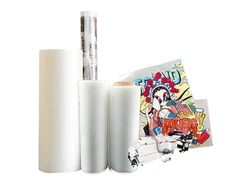
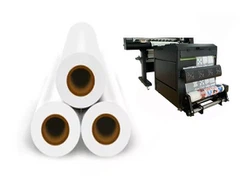
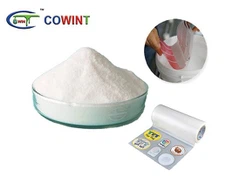
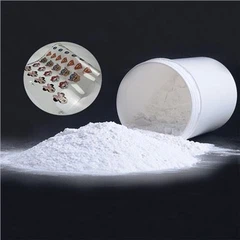
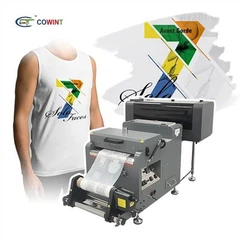
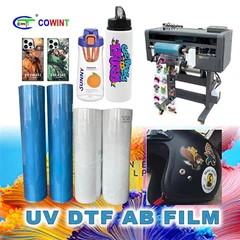
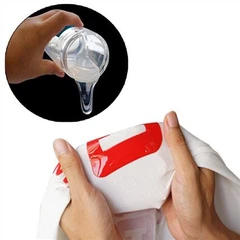
One popular type is the 3D Transfer Sheet, which adds a three - dimensional effect to the transferred design. This type of transfer sheet is great for creating eye - catching and tactile designs on canvas. Another common type is the Heat Transfer Film, which uses heat to transfer the design onto the surface. Heat transfer films are known for their durability and vibrant colors, making them a favorite for many canvas projects. The Cowint DTF Film Heat Transfer Direct To Film is a more advanced option that allows for direct - to - film printing and transfer, offering high - resolution and detailed designs.
Feasibility of Using Transfer Sheets on Canvas
The short answer is yes, you can use transfer sheets on canvas. Canvas is a porous and flexible material, which makes it suitable for many types of transfer sheet applications. However, there are a few factors to consider before proceeding.
Firstly, the type of canvas matters. There are different qualities and textures of canvas available in the market. A smooth - textured canvas will generally yield better results as it provides a more even surface for the transfer. Coarse or heavily textured canvases may cause the transfer to look uneven or may not hold the design as well.
Secondly, the type of transfer sheet you choose should be compatible with canvas. Some transfer sheets are specifically designed for fabrics, while others work better on hard surfaces. As a supplier, I recommend using transfer sheets that are labeled as suitable for fabric or porous surfaces when working with canvas.
The Process of Using Transfer Sheets on Canvas
Once you've selected the right transfer sheet and canvas, here's a step - by - step guide on how to use the transfer sheet:
- Prepare the Canvas: Make sure the canvas is clean and dry. Any dust, dirt, or moisture on the canvas can affect the transfer process. You can use a soft cloth to wipe the canvas surface gently.
- Prepare the Transfer Sheet: Cut the transfer sheet to the desired size, leaving a little extra margin around the design. If you're using a heat transfer sheet, pre - heat your heat press or iron according to the manufacturer's instructions.
- Position the Transfer Sheet: Place the transfer sheet with the design side down on the canvas. Make sure it is centered and aligned correctly. You can use masking tape to hold the transfer sheet in place temporarily.
- Apply the Transfer:
- Heat Transfer: If you're using a heat transfer sheet, apply even pressure and heat for the recommended time. For a heat press, set the temperature and time according to the transfer sheet's instructions. If using an iron, move the iron slowly and evenly over the transfer sheet to ensure the design transfers completely.
- Other Transfer Methods: Some transfer sheets may use water, pressure, or other methods for transfer. Follow the specific instructions provided with the transfer sheet carefully.
- Peel the Transfer Sheet: After the recommended time, carefully peel the transfer sheet off the canvas. Start from one corner and peel slowly. If the design doesn't transfer completely, you may need to re - apply heat or pressure.
- Let it Cool and Set: Allow the transferred design to cool and set on the canvas. This may take a few minutes to an hour, depending on the type of transfer sheet.
Considerations and Tips
- Test First: Before applying the transfer sheet to your main canvas project, it's a good idea to test it on a small, scrap piece of canvas. This will help you determine the right settings and ensure the design transfers as expected.
- Color Fastness: Keep in mind that the colors of the transferred design may fade over time, especially if the canvas is exposed to sunlight or frequent washing. You can use a fabric protector or sealer to enhance the color fastness.
- Layering: If you want to create a more complex design, you can layer different transfer sheets. However, make sure to let each layer dry and set completely before adding the next one.
Advantages of Using Transfer Sheets on Canvas
Using transfer sheets on canvas offers several advantages. Firstly, it's a cost - effective way to add professional - looking designs to your canvas projects. Instead of spending hours painting or drawing a design, you can simply transfer a pre - made design onto the canvas.
Secondly, transfer sheets offer a wide range of designs and patterns. Whether you're looking for a floral print, a geometric pattern, or a custom - made design, there's a transfer sheet available to suit your needs.
Finally, it's a relatively easy and quick process. Even if you're a beginner, you can achieve great results with a little practice.
Encouraging Contact for Purchase and Collaboration
If you're interested in exploring the world of transfer sheets for your canvas projects, I invite you to get in touch. As a transfer sheet supplier, I can offer you a wide range of high - quality transfer sheets, including the 3D Transfer Sheet, Heat Transfer Film, and Cowint DTF Film Heat Transfer Direct To Film. I can also provide you with expert advice on choosing the right transfer sheet for your specific needs and guidance on the application process. Whether you're an individual artist, a small business, or a large - scale manufacturer, I'm here to support your creative endeavors. Reach out to start a conversation about your transfer sheet requirements and let's bring your canvas projects to life!


References
- "Transfer Printing Techniques: A Comprehensive Guide" - Industry - specific publication on transfer printing methods.
- "Canvas Materials and Their Properties" - A study on different types of canvas and their suitability for various applications.
- Manufacturer's instructions for 3D Transfer Sheet, Heat Transfer Film, and Cowint DTF Film Heat Transfer Direct To Film.