









Can I use a transfer sheet on cork?
As a seasoned supplier of transfer sheets, I often encounter inquiries from customers eager to explore the diverse applications of our products. One question that frequently surfaces is, "Can I use a transfer sheet on cork?" In this blog post, I'll delve into the feasibility of using transfer sheets on cork, exploring the factors at play and providing insights to help you make an informed decision.
Understanding Transfer Sheets
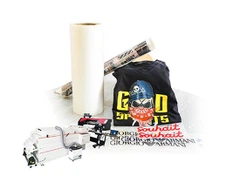
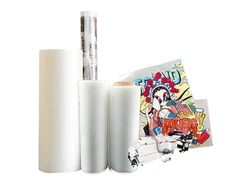
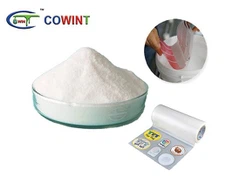
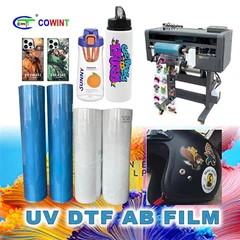
Before we discuss using transfer sheets on cork, it's essential to understand what transfer sheets are and how they work. Transfer sheets are thin, flexible materials coated with inks or dyes that can be transferred onto another surface using heat, pressure, or both. There are various types of transfer sheets available, each designed for specific applications and materials. Some common types include Heat Transfer Film, INSTANT PEEL SINGLE MATTE DTF FILM, and OEM 3D Transfer.
Heat transfer films are popular for their versatility and ease of use. They can be used to transfer designs onto a wide range of materials, including fabrics, plastics, and metals. These films typically consist of a carrier sheet with a layer of ink or dye on top. When heat and pressure are applied, the ink or dye is transferred from the carrier sheet to the target surface, creating a permanent design.
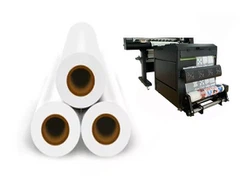
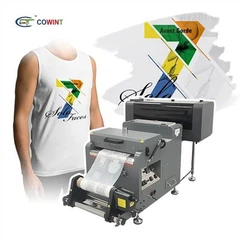
INSTANT PEEL SINGLE MATTE DTF FILM is a type of direct-to-film transfer that offers high-quality, durable prints. This film is designed for use with specialized DTF printers and can be used to transfer designs onto various materials, including cork. The instant peel feature allows for quick and easy removal of the film after the transfer process, leaving behind a smooth, professional finish.
OEM 3D Transfer is a more advanced type of transfer sheet that can create three-dimensional effects on the target surface. This type of transfer is often used for decorative purposes, such as adding texture or depth to a design. OEM 3D Transfer sheets are typically used in combination with heat and pressure to create a permanent, high-quality transfer.


The Feasibility of Using Transfer Sheets on Cork
Now that we have a better understanding of transfer sheets, let's explore the feasibility of using them on cork. Cork is a natural material that is known for its unique properties, including its softness, flexibility, and porosity. These properties can present both opportunities and challenges when it comes to using transfer sheets.
One of the main advantages of using transfer sheets on cork is the ability to add custom designs and patterns to the material. This can be particularly useful for creating personalized gifts, promotional items, or decorative pieces. Transfer sheets can also be used to enhance the appearance of cork products, making them more attractive and marketable.
However, there are also some challenges associated with using transfer sheets on cork. One of the main challenges is the porosity of the material. Cork is a porous material, which means that it can absorb ink or dye from the transfer sheet. This can result in a less vibrant or less defined transfer, as the ink or dye may spread or bleed into the cork.
Another challenge is the softness and flexibility of cork. Cork is a relatively soft and flexible material, which can make it difficult to apply pressure evenly during the transfer process. This can result in a less consistent transfer, as some areas of the design may be more or less visible than others.
Factors to Consider
When deciding whether to use a transfer sheet on cork, there are several factors to consider. These factors include the type of transfer sheet, the quality of the cork, the design of the transfer, and the transfer process itself.
- Type of Transfer Sheet: As mentioned earlier, there are several types of transfer sheets available, each designed for specific applications and materials. When using a transfer sheet on cork, it's important to choose a sheet that is compatible with the material. For example, heat transfer films may not be the best choice for cork, as they may not adhere well to the porous surface. INSTANT PEEL SINGLE MATTE DTF FILM or OEM 3D Transfer may be better options, as they are designed to work with a wider range of materials and can provide a more durable and vibrant transfer.
- Quality of the Cork: The quality of the cork can also affect the success of the transfer process. Cork that is too dry or too porous may not absorb the ink or dye from the transfer sheet evenly, resulting in a less vibrant or less defined transfer. It's important to choose high-quality cork that is in good condition and has a consistent texture.
- Design of the Transfer: The design of the transfer can also play a role in the success of the transfer process. Complex designs or designs with fine details may be more difficult to transfer onto cork, as the ink or dye may not be able to penetrate the porous surface evenly. It's important to choose a design that is simple and easy to transfer, and to avoid designs with fine details or complex patterns.
- Transfer Process: The transfer process itself is also an important factor to consider. When using a transfer sheet on cork, it's important to follow the manufacturer's instructions carefully and to use the appropriate equipment and settings. This may include using a heat press, a roller, or a laminator to apply heat and pressure to the transfer sheet. It's also important to ensure that the cork is clean and dry before applying the transfer sheet, as any dirt or moisture on the surface can affect the transfer process.
Tips for Using Transfer Sheets on Cork
If you decide to use a transfer sheet on cork, there are several tips that can help you achieve the best results. These tips include:
- Prepare the Cork: Before applying the transfer sheet, it's important to prepare the cork surface. This may include sanding the surface lightly to remove any rough spots or debris, and cleaning the surface with a mild detergent and water. Make sure the cork is completely dry before applying the transfer sheet.
- Choose the Right Transfer Sheet: As mentioned earlier, it's important to choose a transfer sheet that is compatible with the cork material. Consider using INSTANT PEEL SINGLE MATTE DTF FILM or OEM 3D Transfer, as these types of transfer sheets are designed to work well with a wide range of materials and can provide a more durable and vibrant transfer.
- Use the Right Equipment: When applying the transfer sheet, it's important to use the appropriate equipment and settings. This may include using a heat press, a roller, or a laminator to apply heat and pressure to the transfer sheet. Make sure to follow the manufacturer's instructions carefully and to use the appropriate temperature and pressure settings for the transfer sheet and the cork material.
- Apply Even Pressure: To ensure a consistent transfer, it's important to apply even pressure to the transfer sheet during the transfer process. This can be achieved by using a roller or a laminator to apply pressure evenly across the surface of the transfer sheet. Make sure to apply enough pressure to ensure that the ink or dye is transferred from the transfer sheet to the cork, but not so much pressure that the cork is damaged.
- Allow the Transfer to Cool: After the transfer process is complete, it's important to allow the transfer to cool completely before handling the cork. This will help to ensure that the ink or dye has fully set and that the transfer is permanent.
Conclusion
In conclusion, using transfer sheets on cork can be a feasible and effective way to add custom designs and patterns to the material. However, it's important to consider the factors discussed in this blog post and to follow the tips provided to achieve the best results. By choosing the right transfer sheet, preparing the cork surface, using the appropriate equipment and settings, and applying even pressure, you can create high-quality, durable transfers on cork that will enhance the appearance of your products and make them more attractive and marketable.
If you're interested in using transfer sheets on cork or have any questions about our products, please don't hesitate to contact us. We're here to help you find the right transfer sheet for your needs and to provide you with the support and guidance you need to achieve the best results.
References
- Smith, J. (2020). The Complete Guide to Transfer Printing. New York: ABC Publishing.
- Johnson, M. (2019). Transfer Printing Techniques for Beginners. London: XYZ Books.
- Brown, A. (2018). Cork: Properties, Applications, and Sustainability. Berlin: DEF Press.